TL;DR:
- Weatherproofing a roof involves layered materials and techniques to protect against wind, hail, UV, and temperature swings. Texas roofs are highly vulnerable due to frequent hail, high winds, extreme heat, and flash floods. Proper weatherproofing extends roof lifespan, reduces repairs, and provides peace of mind during storms.
A brand-new roof is not automatically a protected roof. That surprises a lot of Texas homeowners, but weather-related damage hits even freshly installed roofs every year across the state. The assumption that a solid installation is enough to handle Texas weather is one of the most expensive myths in home ownership. Weatherproofing is not a luxury upgrade or an optional add-on. It is the layer of protection that makes the difference between a roof that holds up and one that fails when a storm rolls through. This guide breaks down exactly what weatherproofing involves, why Texas roofs need it more than most, and what you can do about it today.
Table of Contents
- What does weatherproofing a roof mean?
- Why Texas roofs are especially vulnerable
- Benefits of weatherproofing your roof
- How to weatherproof your roof: Texas homeowner’s checklist
- Why the real payoff of weatherproofing is peace of mind, not just savings
- Ready to protect your Texas home? Next steps for your roof
- Frequently asked questions
Key Takeaways
| Point | Details |
|---|---|
| Texas roofs face extreme weather | Wind, hail, and sun make standard roofs especially prone to damage in Texas. |
| Weatherproofing cuts costs | Adding protection saves homeowners up to 50% on repairs and insurance over time. |
| Better durability and peace of mind | A weatherproofed roof lasts longer and gives you confidence during severe storms. |
| Start with a thorough checklist | Using a well-structured plan ensures your roof stands up to Texas weather. |
What does weatherproofing a roof mean?
With weather damage so common in Texas, understanding what weatherproofing actually entails is crucial. A lot of people hear the word and assume it just means keeping rain out. It is much broader than that. Weatherproofing involves using specialized materials and techniques to protect roofs from rain, wind, hail, and sun. It is a full-system approach that addresses every way the elements can attack your home from above.
The core components of a weatherproofed roof include:
- Membranes: Layers applied beneath or over roofing material to block moisture and wind infiltration. Storm-resistant membranes are especially important in high-wind zones.
- Sealants: Applied around edges, flashing, vents, and seams to close off entry points that water and wind exploit.
- Coatings: Reflective or elastomeric coatings that protect against UV degradation and thermal expansion from intense Texas heat.
- Insulation: Proper attic insulation controls moisture buildup and reduces the stress heat places on roofing materials.
It is worth separating weatherproofing from waterproofing, because they are not the same thing. Waterproofing targets one threat: water entry. Weatherproofing covers water, but also wind uplift, hail impact, UV radiation, and temperature swings. Think of waterproofing as one chapter in a much longer book.
“Weatherproofing is not a single product. It is a strategy that layers multiple materials and techniques to address the full range of threats your roof faces.”
In Texas, that strategy has to be customized. A roof in El Paso faces brutal UV and dry heat. A roof in Houston deals with humidity, tropical storms, and flash flooding. A roof in the Panhandle gets pounded by hail and wind. No single off-the-shelf solution covers all of that. Proper weatherproofing starts with understanding your specific regional risks and selecting weatherproofing materials that match those conditions. That is why working with someone who knows Texas weather patterns matters so much.
Why Texas roofs are especially vulnerable
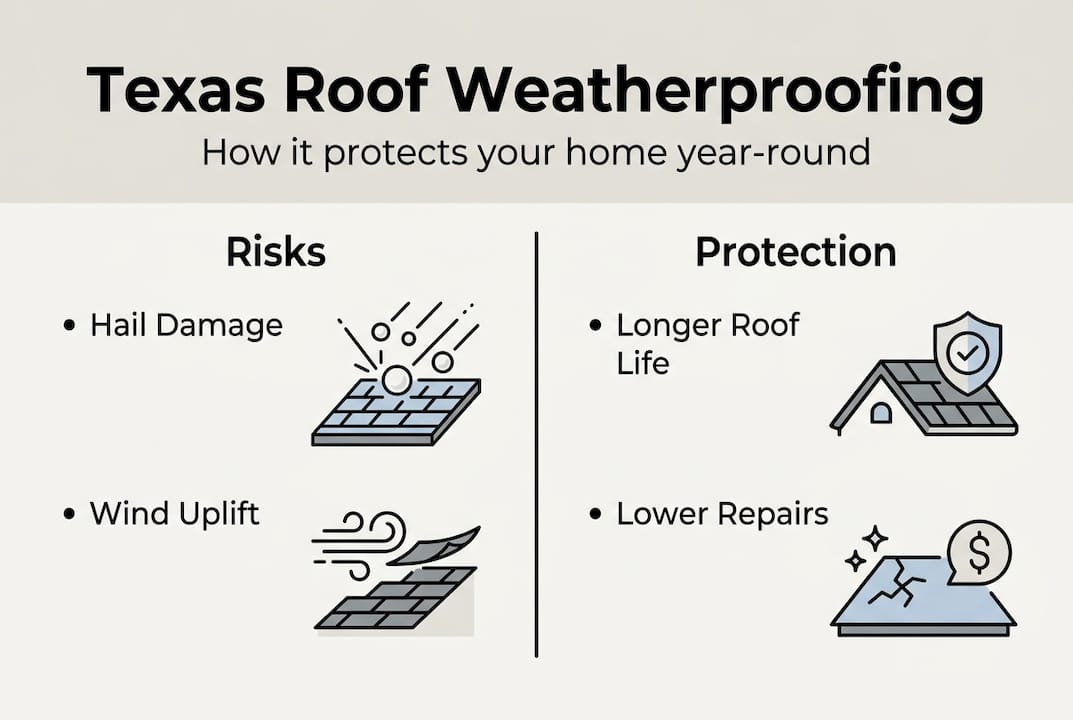
Knowing what weatherproofing means, let’s look at the specific risks your Texas roof faces. The short answer is that Texas is one of the harshest roofing environments in the entire country. Texas homes experience double the national average of severe wind and hail events. That number alone should reframe how you think about your roof.
Here are the four main threats bearing down on Texas roofs every year:
- Hail: Texas leads the nation in hail damage claims. Large hailstones crack shingles, dent metal, and compromise protective coatings in seconds.
- High winds: Gusts during severe thunderstorms and hurricanes can exceed 100 mph in coastal areas, lifting edges and tearing off improperly secured materials.
- Extreme heat: Prolonged temperatures above 100°F cause roofing materials to expand, contract, and eventually crack. UV radiation breaks down asphalt shingles faster than in cooler states.
- Flash floods: Heavy rainfall in short bursts overwhelms drainage systems, pushing water under roofing materials through any unsealed gap.
Here is a side-by-side look at how a standard roof and a weatherproofed roof hold up against these threats:
| Factor | Standard roof | Weatherproofed roof |
|---|---|---|
| Hail resistance | Moderate, surface damage common | High, impact-rated materials reduce damage |
| Wind uplift | Vulnerable at edges and seams | Reinforced with sealed membranes and flashing |
| UV degradation | Accelerated material breakdown | Coatings extend material life significantly |
| Water intrusion | Risk at every unsealed point | Multiple sealed layers reduce entry points |
| Post-storm repair cost | High, often unexpected | Lower, damage is minimized and predictable |
Common roof failure prevention experts point out that most roofing failures trace back to vulnerabilities that were never addressed at installation. The storm does not create the weakness. It finds the one that was already there. Understanding roof durability factors specific to Texas gives you a clearer picture of what your home is up against every single season.
Benefits of weatherproofing your roof
Having seen how vulnerable roofs are, the logical next question is what you gain by weatherproofing. The answer goes well beyond avoiding leaks.
Weatherproofing can extend roof life by up to 10 years and cut annual repair costs by 30 to 50%. That is a significant return on a relatively modest upfront investment. Here is how the numbers look in practice:
| Category | Before weatherproofing | After weatherproofing |
|---|---|---|
| Average annual repair cost | $1,200 to $2,500 | $400 to $900 |
| Repair frequency | 2 to 4 times per year | Once every 1 to 2 years |
| Estimated roof lifespan | 15 to 18 years | 22 to 28 years |
| Insurance premium impact | Standard rate | Potential discount of 5 to 20% |
The top four outcomes Texas homeowners see after weatherproofing their roofs:
- Fewer emergency repairs: Sealed, reinforced roofs do not fail suddenly. You stop getting calls from contractors after every storm.
- Lower long-term costs: Reduced roofing savings accumulate year over year, especially when you avoid full replacements caused by preventable damage.
- Higher property value: Buyers and appraisers recognize a well-maintained, weatherproofed roof as a significant asset.
- Insurance leverage: Insurers reward lower-risk homes. A weatherproofed roof gives you documented evidence that your property is better protected.
Pro Tip: Schedule a professional roof inspection every spring before storm season begins. Catching small issues early, like cracked sealant or lifted flashing, costs a fraction of what emergency repairs run after a bad storm. Pairing inspections with solid roof maintenance in Texas habits keeps your weatherproofing performing at its best year after year.
How to weatherproof your roof: Texas homeowner’s checklist
If you’re convinced by the benefits, here’s exactly how to get started weatherproofing your home in Texas. Routine checks and simple upgrades dramatically improve your roof’s storm protection, and you do not need to tackle everything at once.
Here is a practical checklist to work through:
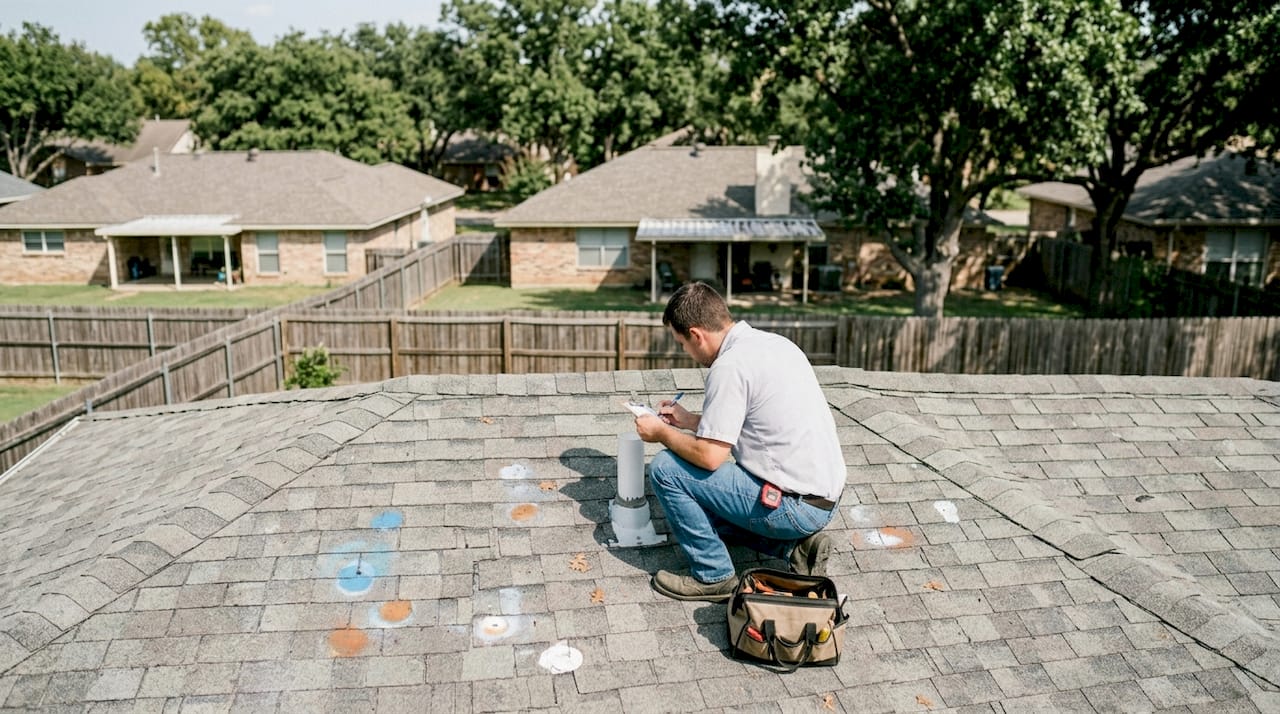
- Schedule a full roof inspection. Start with a professional assessment to identify existing damage, weak seams, and areas where materials have degraded. You cannot fix what you have not found.
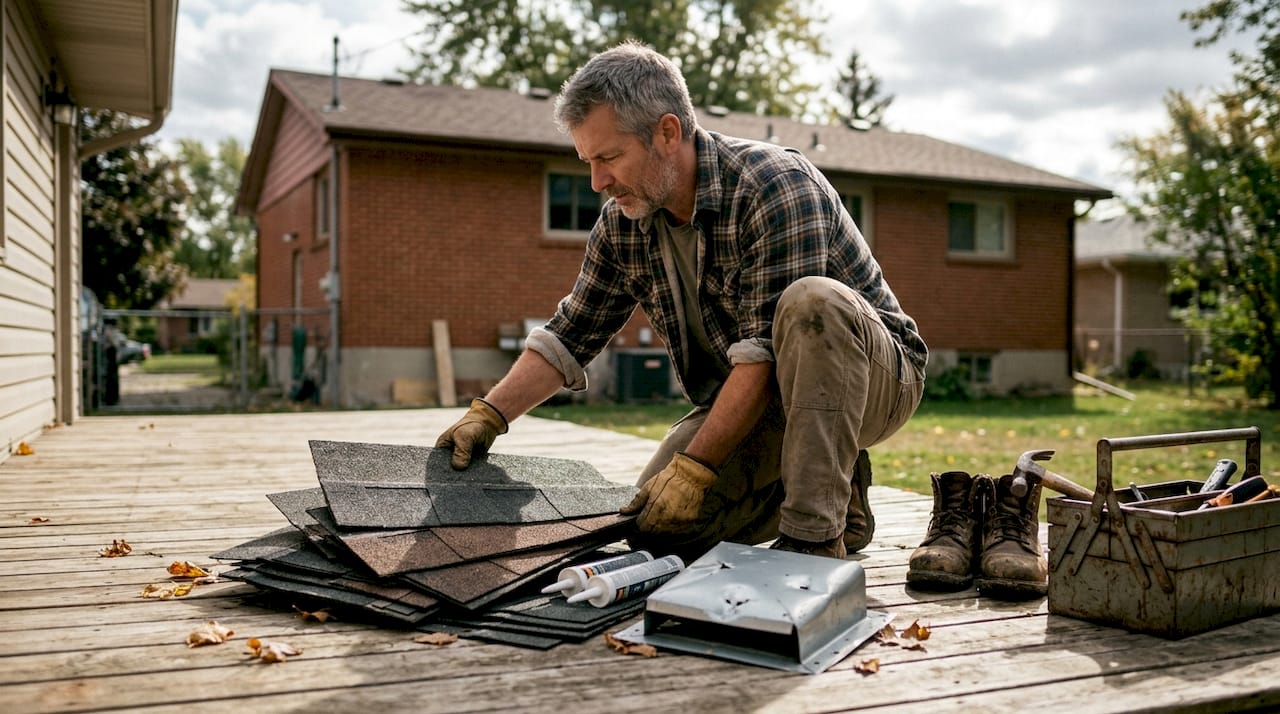
- Seal all penetrations and edges. Every vent, pipe, chimney, and skylight is a potential entry point. Fresh sealant around these areas closes the gaps storms exploit.
- Check and clear your drainage system. Gutters and downspouts need to move water away from your home fast. Clogged drainage causes water to back up under roofing materials.
- Upgrade to impact-rated materials where needed. If your shingles are older than 10 years, consider replacing them with Class 4 impact-rated options that hold up better against hail.
- Apply a reflective or elastomeric coating. This is especially valuable for flat roofs and metal roofs. Coatings reduce UV damage and seal minor surface cracks before they grow.
- Reinforce attic ventilation. Poor ventilation traps heat and moisture, accelerating material breakdown from the inside out. This step is often skipped and almost always regretted.
- Partner with a certified local contractor. A contractor who knows Texas weather and local building codes will recommend the right combination of materials for your specific area.
Pro Tip: Never skip edge flashings. They are the most common failure point in Texas roofs because wind gets under lifted edges first. Properly installed and sealed flashing is one of the highest-value upgrades you can make. For more detail on building a storm-ready system, explore this roof storm resistance guide and review durable roofing solutions suited for Texas conditions.
Why the real payoff of weatherproofing is peace of mind, not just savings
Every article about weatherproofing leads with the numbers, and the numbers are real. But after working with Texas homeowners through storm seasons, we have noticed something that spreadsheets do not capture: the biggest benefit is not financial. It is the absence of dread.
When a storm warning pops up on your phone, a weatherproofed roof changes your reaction entirely. Instead of mentally calculating what might leak or buckle, you go about your evening. That shift in mindset is underrated. Homeowners who invest in proper weatherproofing stop treating their roof as a source of anxiety and start treating it as infrastructure that simply works.
There is also a practical confidence that comes with it. You have documentation. You have inspection records. You have materials that meet impact ratings. When you call your insurance company after a storm, you are negotiating from a position of strength, not scrambling to explain deferred maintenance. A solid roof maintenance mindset gives you more control over your home and your finances than almost any other single investment. The savings matter. The peace of mind matters more.
Ready to protect your Texas home? Next steps for your roof
If protecting your home matters, the right partners can make weatherproofing easier and more effective. At Mister ReRoof, we work with homeowners across Texas to build roofing systems that are genuinely built for what Texas throws at them.

Whether you need a metal roof replacement in Victoria, a metal roof replacement in Hallettsville, or guidance on the best weatherproofing approach for your specific home, our team is ready to help. We specialize in metal, shingle, flat, and TPO roof replacements, all installed with the detail and durability Texas weather demands. Visit Mister ReRoof to schedule your free estimate and take the first step toward a roof that works as hard as you do.
Frequently asked questions
What is the difference between weatherproofing and waterproofing a roof?
Weatherproofing covers wind, sun, hail, and moisture, while waterproofing focuses only on preventing water from entering. Weatherproofing is the broader, more complete protection strategy for Texas homes.
How often should I inspect my Texas roof for weather damage?
Inspect your roof at least twice a year and after any major storm. Routine checks catch small issues like cracked sealant or lifted flashing before they turn into costly repairs.
Does weatherproofing my roof lower home insurance costs in Texas?
Many insurers offer reduced premiums for weatherproofed roofs because the risk profile is lower. Insurance savings are a well-documented benefit for homes with upgraded roofing systems.
What’s the best time of year to weatherproof a roof in Texas?
Early spring or late fall works best, before peak storm season or the worst summer heat arrives. Timely weatherproofing ahead of harsh weather gives materials time to cure and perform properly when conditions get severe.