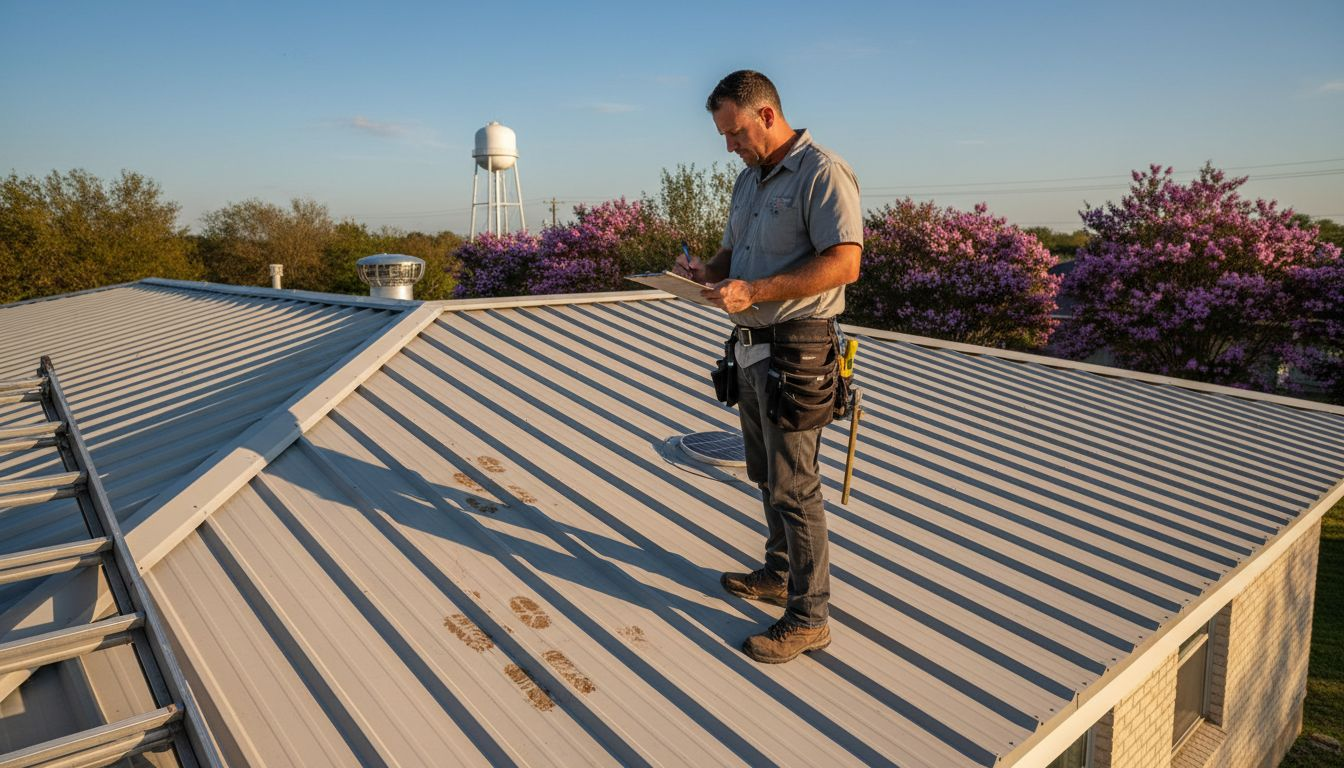
Texas homeowners face brutal roof conditions. Roof surfaces can reach 180°F, accelerating material breakdown faster than most realize. Between relentless heat, baseball-sized hail, and hurricane-force winds, your roof takes a beating year after year. Understanding how quality materials and professional installation protect your home while cutting long-term costs helps you make smarter roofing decisions in 2026.
Table of Contents
- Understanding Texas Climate And Roofing Challenges
- High-Quality Roofing Material Options For Texas
- Common Misconceptions About Roofing Quality
- Importance Of Quality Roofing For Severe Weather Protection
- Energy Efficiency Benefits Of Quality Roofing
- Importance Of Professional Installation And Quality Materials
- Conclusion: Making The Right Roofing Choice For Your Texas Home
- Explore Expert Roofing Solutions For Texas Homes
Key takeaways
| Point | Details |
|---|---|
| Weather resistance | Quality roofing withstands Texas heat, hail, and wind better, protecting your investment. |
| Material performance | Metal and Class 4 impact-resistant shingles outlast standard asphalt by decades. |
| Professional installation | Expert installation is critical to warranty compliance and long-term roof performance. |
| Energy savings | Quality reflective roofs lower cooling costs by up to 25% in Texas summers. |
| Long-term value | Upfront investment reduces expensive repairs and insurance claims over time. |
Understanding Texas climate and roofing challenges
Texas weather creates unique roofing nightmares. The state experiences over 60 days annually with temperatures exceeding 100°F, putting constant thermal stress on roofing materials. Roofing surfaces can reach temperatures as high as 180°F, causing accelerated degradation that shortens roof lifespans dramatically.
Hailstorms arrive without warning across Texas. These storms regularly drop 2-inch or larger hailstones that puncture standard roofing materials, creating entry points for water damage. High winds during severe storms can exceed 140 mph, tearing away poorly installed or low-quality roofing systems.
Thermal cycles create additional stress. Daily temperature swings cause roofing materials to expand during scorching days and contract during cooler nights. This constant movement creates stress fractures in shingles, compromises sealants, and weakens fasteners over time.
Texas homeowners need durable roofing solutions specifically engineered to handle these extreme conditions:
- Continuous UV exposure that breaks down standard asphalt shingles
- Severe hailstorms requiring impact-resistant materials
- High winds demanding superior attachment methods
- Intense heat requiring reflective or heat-dissipating properties
- Moisture challenges from sudden heavy rainfall
Selecting the best roofing materials for Texas homes means prioritizing weather resistance over initial cost savings. Your roof is your home’s first defense against these relentless climate challenges.
High-quality roofing material options for Texas
Metal roofing delivers exceptional durability for Texas conditions. These roofs last 40 to 70 years with minimal maintenance, offering wind resistance up to 140 mph. Metal reflects solar radiation instead of absorbing it, reducing attic temperatures and cooling costs significantly.
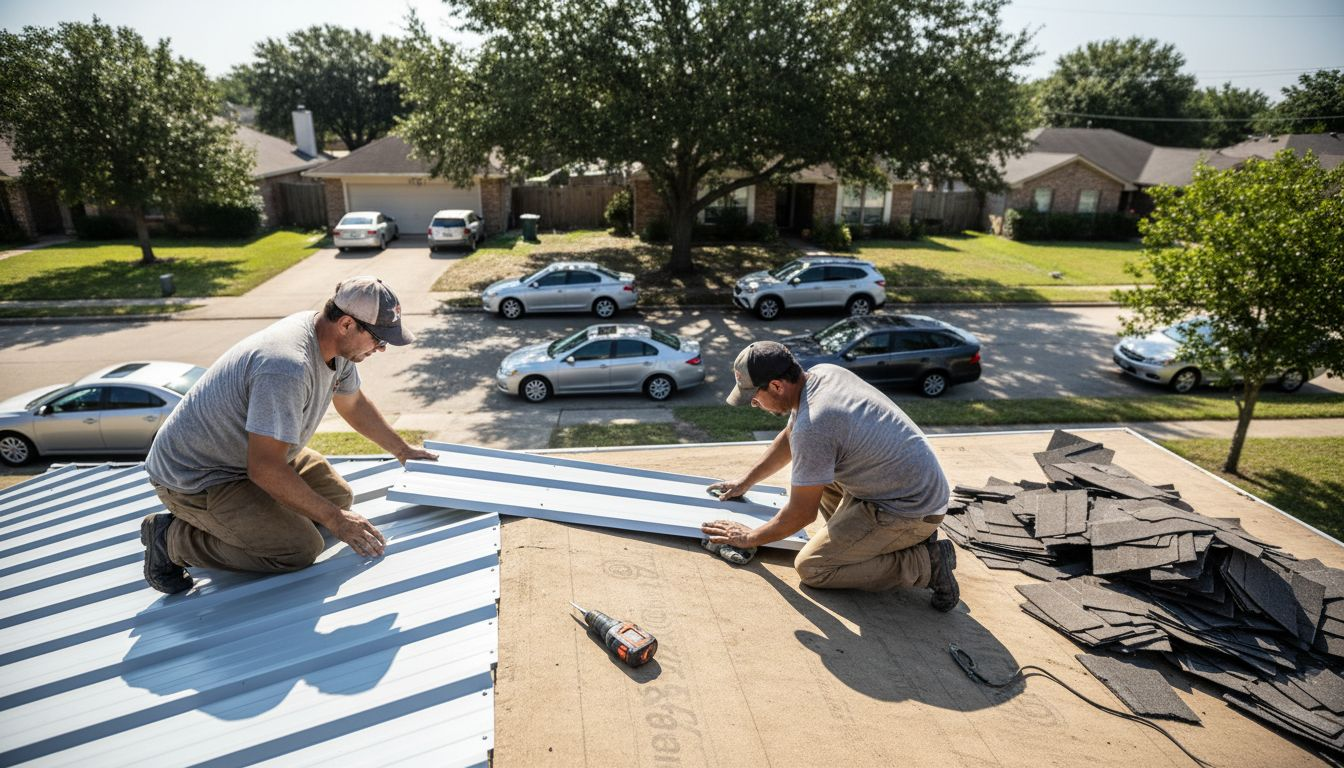
Class 4 impact-resistant shingles provide superior hail protection. These shingles withstand 2-inch hailstones dropped from 20 feet without cracking, the highest impact rating available. This protection becomes critical in hail-prone regions across Texas.
High-quality asphalt shingles offer balanced performance. Premium architectural shingles last 25 to 30 years with proper installation, providing decent wind and impact resistance at moderate cost. However, they require more frequent replacement than metal or specialized impact-resistant options.
| Material | Lifespan | Wind Resistance | Hail Resistance | Energy Efficiency |
|---|---|---|---|---|
| Metal | 40-70 years | Up to 140 mph | Excellent | High reflectivity |
| Class 4 Shingles | 30-40 years | 110-130 mph | Superior | Moderate |
| Premium Asphalt | 25-30 years | 90-110 mph | Good | Low to moderate |
| Standard Asphalt | 15-20 years | 70-90 mph | Poor | Low |
Energy-efficient coatings enhance performance further. Reflective coatings on metal roofs and some premium shingles bounce solar radiation away from your home, keeping interiors cooler. This technology reduces air conditioning demands during brutal Texas summers.
Storm resistance varies dramatically between materials. Metal roofing and Class 4 shingles handle severe weather far better than budget asphalt options. The higher upfront cost pays for itself through extended lifespan and reduced repair needs.
Consider metal roof replacement if you want maximum longevity. Standing seam metal roofs interlock tightly, preventing wind uplift and water intrusion. They handle thermal expansion better than shingles, maintaining integrity through countless heating and cooling cycles.
Pro Tip: Choose roofing materials specifically tested and rated for Texas hail zones and wind speeds to ensure your investment survives severe weather events without catastrophic damage.
Common misconceptions about roofing quality
Cheap asphalt shingles seem like smart savings initially. However, these budget materials typically last only 15 to 20 years in Texas heat, requiring replacement twice as often as quality alternatives. Factor in removal costs, disposal fees, and installation labor for multiple replacements, and lifetime costs exceed premium materials.
Many homeowners believe all roofing materials provide equal protection. This dangerous misconception leads to poor choices. Standard three-tab shingles offer minimal hail resistance compared to Class 4 rated materials, resulting in frequent damage claims and repairs.
Some think DIY or bargain installation saves money. Poor installation voids manufacturer warranties, creates leak points, and allows wind damage during storms. Even premium materials fail when improperly installed, wasting your entire investment.
Ignoring installation quality risks expensive failures. Inadequate underlayment, improper flashing, insufficient ventilation, and incorrect fastener placement all compromise roof performance. Roofing system lifespan depends heavily on proper installation techniques.
Homeowners often underestimate insurance implications. Quality materials and professional installation documentation help claims processes when storm damage occurs. Cheap materials and questionable installation practices can lead to denied claims.
Common false beliefs about Texas roofing:
- All shingles handle hail equally well
- Installation quality matters less than material choice
- Warranties cover poor workmanship
- Any roofer can handle Texas weather challenges
- Saving on installation leaves more budget for materials
Storm resistance requires both quality materials and expert installation. Skimping on either component leaves your home vulnerable to Texas weather extremes.
Pro Tip: Verify installer certifications, insurance coverage, and specific Texas weather experience before signing contracts to protect your investment and ensure warranty validity.
Importance of quality roofing for severe weather protection
Texas storms test roofing systems mercilessly. Recent Houston hurricanes demonstrated how reinforced, quality roofing systems survived with minimal damage while cheaper alternatives failed catastrophically. Quality roofing provides critical structural protection during severe weather events such as hurricanes, hailstorms, and tornadoes.
Water intrusion creates devastating consequences. When roofing systems fail during storms, water enters attics and walls, causing structural damage, electrical hazards, and toxic mold growth. Quality roofing prevents these cascading problems by maintaining watertight integrity even under extreme conditions.
Wind-resistant installations save homes. Properly installed roofing systems with enhanced attachment methods keep shingles in place during high winds. Missing shingles expose underlayment and decking to moisture, leading to rapid deterioration and expensive repairs.
Quality roofing investment pays for itself during the first major storm by preventing catastrophic damage that destroys interiors, ruins belongings, and displaces families during lengthy repairs.
Real protection requires multiple quality layers. Premium underlayment, proper ventilation, reinforced flashing, and impact-resistant materials work together as a system. Compromising any single component weakens overall performance.
Severe weather protection benefits include:
- Prevents water intrusion and interior damage
- Maintains structural integrity during high winds
- Resists hail punctures and cracks
- Reduces insurance claims and premiums
- Protects family safety during storms
Houston weather patterns demand exceptional storm resistance. Investing in quality roofing means sleeping peacefully during severe weather instead of worrying about leaks and damage.
Post-storm repair costs dwarf quality roofing investments. Emergency repairs, temporary housing, content replacement, and mold remediation can exceed $50,000 after major storm damage. Quality roofing prevents these catastrophic expenses.
Energy efficiency benefits of quality roofing
Cooling costs dominate Texas energy bills. Quality roofing dramatically reduces these expenses by reflecting solar heat instead of absorbing it. Light-colored metal roofs reduce peak cooling demand by 20 to 25%, cutting air conditioning runtime during brutal summer months.
Reflective coatings enhance energy performance further. These specialized coatings lower roof surface temperatures by 50°F or more compared to dark, heat-absorbing materials. Cooler roofs mean cooler attics, reducing heat transfer into living spaces.
High thermal emittance helps roofs shed absorbed heat. Materials with superior emittance properties release heat quickly after sunset rather than radiating it into your home overnight. This characteristic improves comfort and reduces cooling needs.
Insurance savings add to financial benefits. Impact-resistant Class 4 shingles may reduce homeowners’ insurance premiums by mitigating hail damage risks in Texas. Many insurers offer discounts ranging from 10% to 35% for homes with certified impact-resistant roofing.
Up to 25% cooling cost reduction with quality reflective roofing materials in Texas heat
Energy efficiency benefits extend beyond utility savings. Reduced air conditioning demand decreases wear on HVAC systems, extending equipment lifespan. Lower energy consumption also reduces your environmental footprint.
Key energy advantages of quality roofing:
- Reflective surfaces bounce solar radiation away
- Lower attic temperatures reduce cooling loads
- Improved thermal emittance sheds heat faster
- Better insulation performance in summer and winter
- Reduced HVAC system strain extends equipment life
Metal roofs provide exceptional heat reflection compared to traditional asphalt shingles. The combination of reflectivity and thermal emittance makes metal roofing particularly effective in Texas climates.
TPO roofing offers energy-efficient solutions for flat or low-slope roofs. The white membrane reflects solar radiation while maintaining watertight integrity, ideal for commercial buildings and modern residential designs.
Calculate lifetime savings when evaluating roofing options. Monthly energy savings, insurance discounts, and extended lifespan often justify higher upfront costs within five to seven years. Quality roofing continues delivering savings for decades afterward.
Importance of professional installation and quality materials
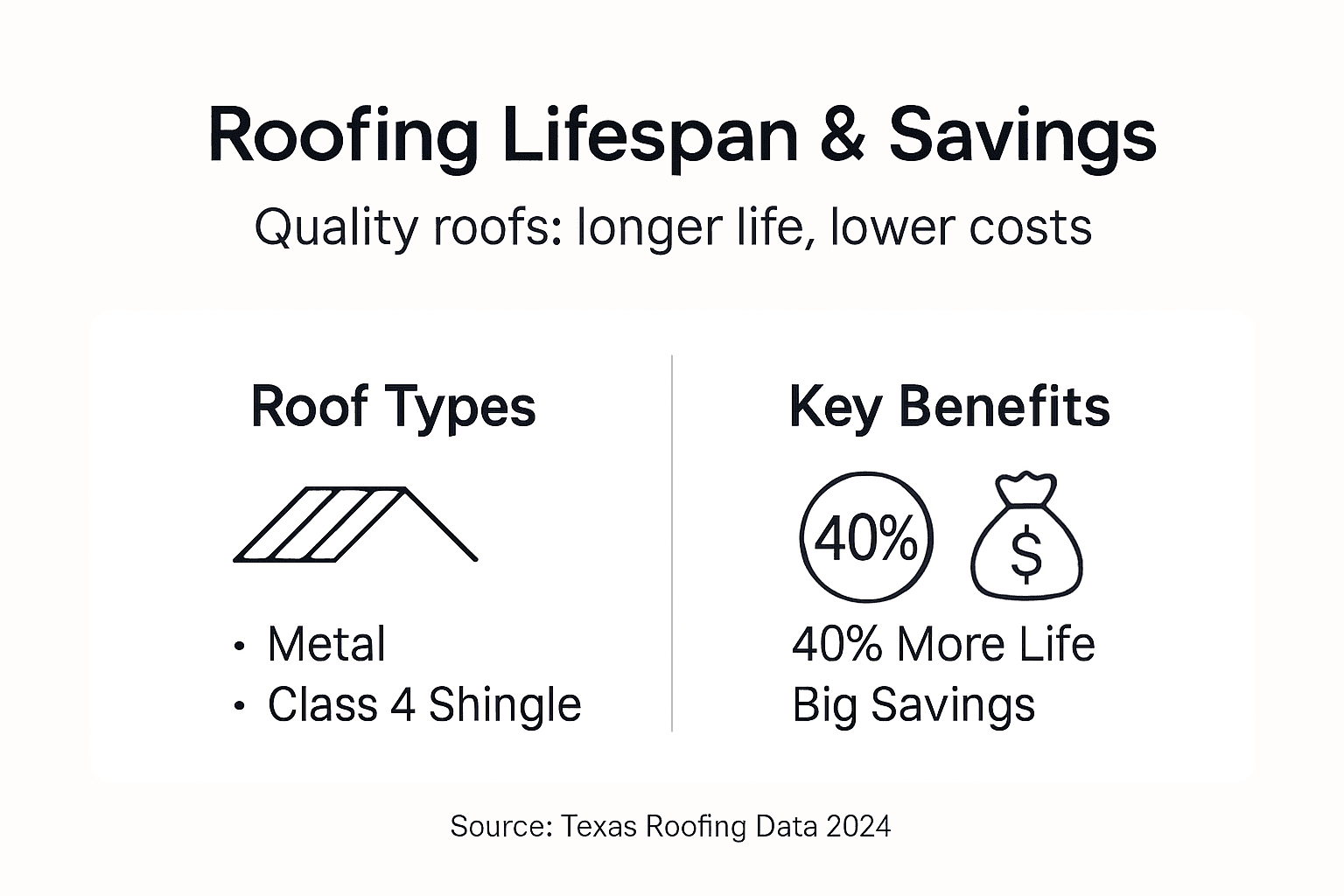
Installation quality determines actual roof performance. Even premium materials fail when improperly installed, voiding warranties and creating immediate vulnerabilities. Professional installers understand Texas-specific challenges and apply techniques that ensure long-term durability.
Proper underlayment protects against water intrusion. Quality installers use ice and water shields in valleys and along eaves, synthetic underlayment for superior tear resistance, and proper overlap techniques. These layers provide critical backup protection if shingles fail.
Ventilation systems prevent premature aging. Adequate attic ventilation removes heat and moisture that accelerate shingle deterioration from below. Professional installers calculate proper intake and exhaust ratios based on attic square footage.
Manufacturer warranties require certified installation. Most premium roofing warranties become void if installation doesn’t meet specific requirements. Professional installers document their work, protecting your warranty coverage if problems arise.
Certified installers bring essential expertise. They understand local building codes, proper flashing techniques around penetrations, correct fastener placement patterns, and weather-specific installation methods. This knowledge prevents common failure points.
Steps to select a professional installer:
- Verify current manufacturer certifications for your chosen materials
- Check references from recent Texas installations
- Confirm insurance coverage and workers’ compensation
- Review contracts for warranty terms and installation specifications
- Ensure installer has specific experience with local weather challenges
Roofing system lifespan depends on installation quality as much as material selection. Durable roofing solutions require both premium materials and expert installation to deliver promised performance.
Proper installation includes critical details often overlooked. Drip edge installation, starter strip placement, ridge vent integration, and flashing techniques all impact water management and wind resistance. Cutting corners on these details creates failure points.
Pro Tip: Always confirm your installer’s prior work in your specific Texas region to ensure they understand local weather patterns, building codes, and installation challenges unique to your area.
Conclusion: making the right roofing choice for your Texas home
Smart roofing decisions balance multiple factors. Initial material costs matter less than lifetime value when you factor in longevity, energy savings, maintenance expenses, and replacement frequency. Quality materials and professional installation deliver decades of reliable protection.
Match roofing choices to your local risks. Coastal areas need maximum wind resistance, while inland regions prioritize hail protection. Understanding your specific weather threats helps you select appropriate materials and ratings.
Professional installation protects your investment. Manufacturer warranties, insurance coverage, and actual performance all depend on proper installation techniques. Hiring certified installers with Texas experience ensures your roof performs as designed.
Quality roofing enhances home value. Well-maintained, premium roofing systems increase property values, improve curb appeal, and attract buyers. The investment pays returns whether you stay or sell.
Quick tips for choosing and maintaining quality Texas roofing:
- Prioritize materials rated for your region’s hail and wind zones
- Verify installer certifications and local experience
- Schedule annual inspections to catch minor issues early
- Clean gutters regularly to prevent water backup
- Document all maintenance and repairs for warranty and insurance purposes
- Consider energy-efficient options to reduce cooling costs
Taking action in 2026 protects your home and family. Waiting for obvious damage often means extensive interior repairs alongside roofing replacement. Proactive upgrades cost less and provide peace of mind during severe weather.
Explore expert roofing solutions for Texas homes
Mister ReRoof specializes in durable roofing installations designed specifically for Texas weather challenges. Our certified professionals bring decades of combined experience installing metal, impact-resistant shingles, and energy-efficient roofing systems across El Campo and Houston.
We guide homeowners through material selection based on local weather risks, budget considerations, and energy efficiency goals. Our comprehensive roof replacement tips help you understand the process from initial assessment through final inspection.
Discover how metal roofs deliver exceptional benefits and savings in Texas climates. Our team provides free estimates, transparent pricing, and quality installations backed by manufacturer warranties. Protect your home with proven roofing solutions built to withstand heat, hail, and hurricanes for decades.
Frequently asked questions
Is metal roofing the best option for Texas homes?
Metal roofing offers superior longevity, lasting 40 to 70 years compared to 20 to 30 years for premium shingles. It provides excellent wind and hail resistance while reflecting heat to reduce cooling costs. However, the best choice depends on your specific regional weather risks, aesthetic preferences, and budget constraints.
How much can quality roofing reduce my energy bills in hot Texas climates?
Quality reflective roofing materials can lower cooling costs by up to 25% in Texas summers. Light-colored metal roofs and reflective coatings reduce roof surface temperatures by 50°F or more, decreasing heat transfer into living spaces. The energy savings typically offset higher material costs within five to seven years.
Why is professional installation so critical for roofing performance?
Improper installation creates leak points, allows wind damage, and voids manufacturer warranties. Professional installers ensure correct underlayment placement, proper ventilation ratios, adequate flashing around penetrations, and appropriate fastener patterns. These details determine whether premium materials deliver promised performance or fail prematurely.
Can impact-resistant shingles really lower my insurance premiums?
Class 4 impact-resistant shingles may reduce homeowners’ insurance premiums by 10% to 35% in Texas. These shingles resist 2-inch hail impacts, significantly reducing damage risk and insurance claims. Contact your insurance provider to confirm available discounts and documentation requirements for premium reductions.