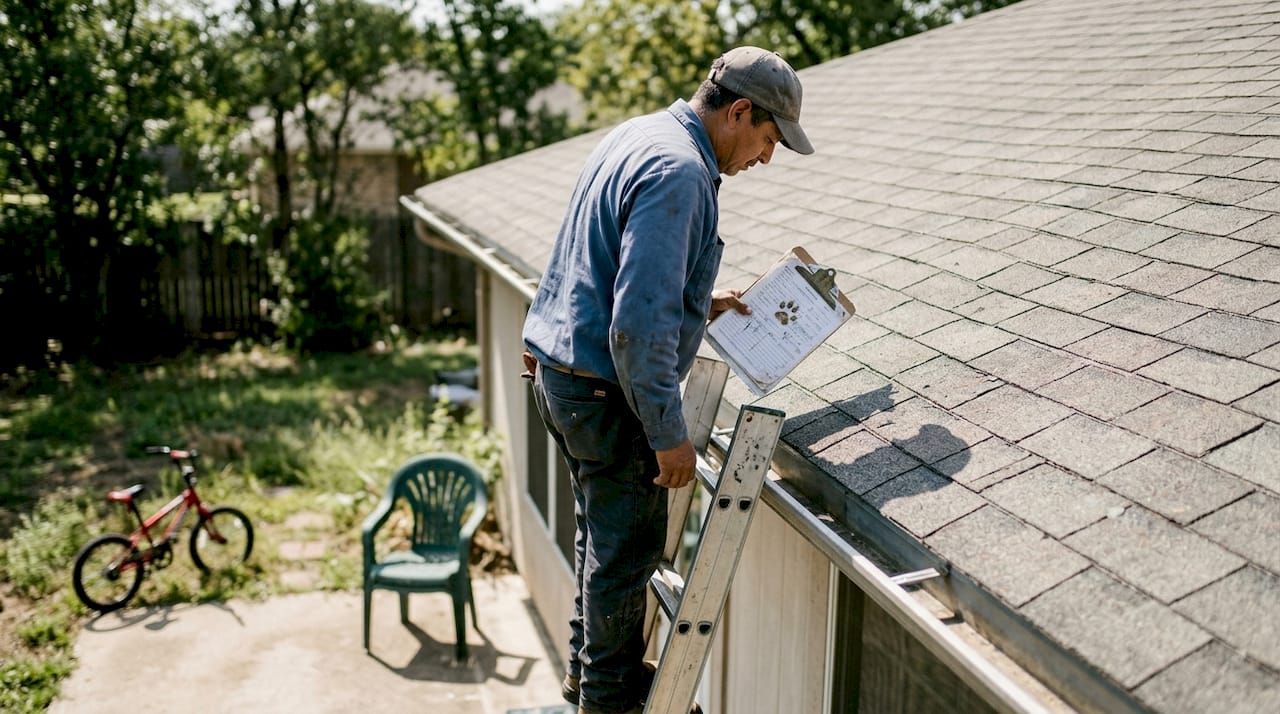
Most Texas homeowners assume that a “lifetime warranty” on their roof means they’re fully covered no matter what happens. That assumption can be costly. Manufacturer warranties are widely misunderstood and do not guarantee total coverage, leaving many homeowners blindsided when a claim gets denied. Between hailstorms, scorching summers, and high humidity, Texas puts roofs through more stress than almost anywhere else in the country. Understanding exactly what your warranty covers, what it excludes, and how to keep it valid is one of the smartest things you can do as a Texas homeowner.
Table of Contents
- What is a roofing warranty?
- Types of roofing warranties explained
- Common exclusions and what voids a warranty
- How Texas law protects your warranty rights
- How Texas weather and roof lifespan affect your warranty
- Making your warranty work: what every homeowner should do
- Get the best protection for your Texas roof
- Frequently asked questions
Key Takeaways
| Point | Details |
|---|---|
| Types of warranties | There are material, workmanship, and enhanced roofing warranties, each with different coverage. |
| Exclusions matter | Storms, poor upkeep, and unauthorized repairs often void warranties or lead to denied claims. |
| Texas climate impact | Texan roofs wear out faster than warranties last due to harsh sun, hail, and heat. |
| Know your rights | Texas and federal law require plain-language warranties and protect you from hidden limits. |
| Homeowner action | Register, maintain, and inspect to keep your warranty valid and maximize protection. |
What is a roofing warranty?
A roofing warranty is a written promise from either the manufacturer, the contractor, or both, that covers specific defects or failures for a defined period. It is not a blanket guarantee. Think of it like a car warranty: it covers certain mechanical failures but not accidents or neglect.
There are three main types every Texas homeowner should know:
- Manufacturer warranty: Covers defects in the roofing materials themselves. Material defects are covered, but installation errors and storm damage are not.
- Workmanship warranty: Issued by your contractor and covers mistakes made during installation. These typically run 1 to 10 years.
- Enhanced or system warranty: A premium option that covers both materials and labor, often requiring certified installation and full system use.
Standard manufacturer warranties run 20 to 50 years, but many are prorated, meaning the coverage value decreases over time. A 30-year prorated warranty in year 25 may only reimburse a fraction of replacement costs. Understanding roof maintenance importance is directly tied to keeping these warranties valid.
Pro Tip: Always ask your contractor for the actual warranty document before signing anything. Read the exclusions section first, not last.
Types of roofing warranties explained
Now that you know the basics, here is how each warranty type actually breaks down in practice.
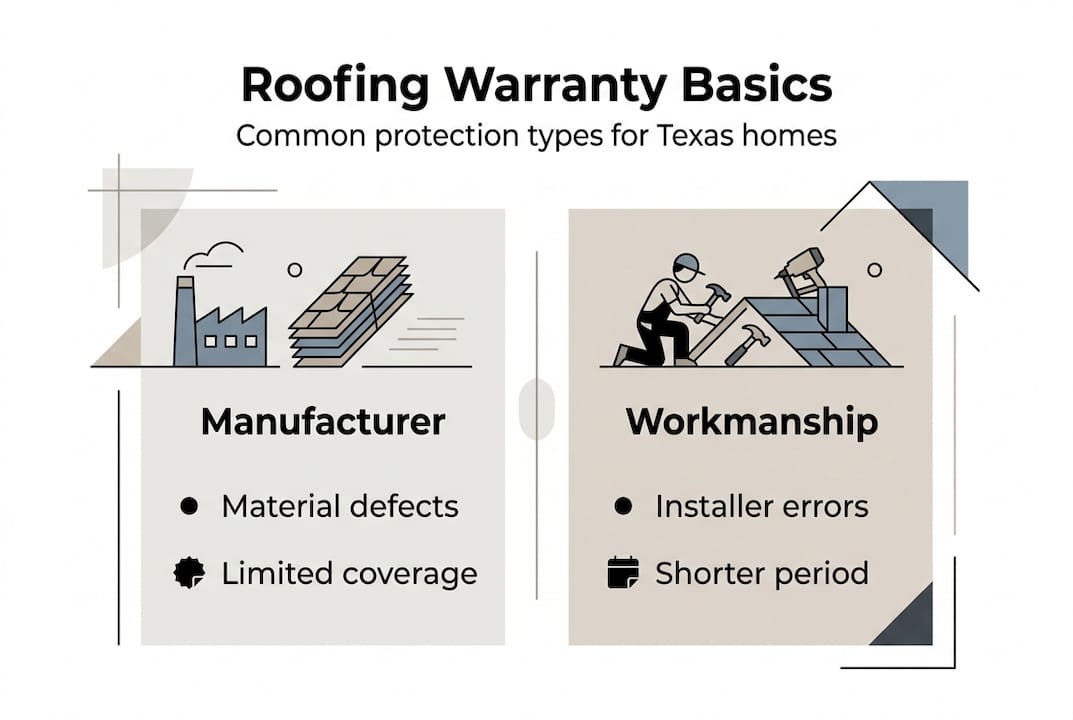
Manufacturer warranties cover material defects like cracking, blistering, or granule loss. They do not cover wind, hail, or installation errors. Most run 20 to 50 years, but prorated terms reduce real-world value significantly after the first decade.
Workmanship warranties are issued by your roofing contractor and cover errors made during installation, such as improper flashing or poor sealing. Some extended programs offer longer coverage, but the standard range is 1 to 10 years. The quality of your contractor directly determines how useful this warranty is.
Enhanced or system warranties are the gold standard. They require certified contractors and full system installation, plus timely registration to unlock benefits. These often include non-prorated periods, meaning you get full value throughout the coverage term.
| Warranty type | What it covers | Typical duration | Prorated? |
|---|---|---|---|
| Manufacturer | Material defects only | 20 to 50 years | Often yes |
| Workmanship | Installation errors | 1 to 10 years | Rarely |
| Enhanced/system | Materials and labor | 25 to 50 years | Usually no |
Key things to look for in any warranty:
- Non-prorated coverage periods
- Labor and material inclusion
- Transferability to a new homeowner
- Registration requirements and deadlines
- Contractor certification requirements
Pro Tip: Before hiring any roofer, review the questions to ask roofing contractors so you know exactly what warranty protections to request upfront.
Common exclusions and what voids a warranty
This is where most homeowners get surprised. Warranties sound strong until you read the fine print. Knowing what is excluded before you need to file a claim can save you thousands.
The most common exclusions include:
- Storm and hail damage: This is an insurance issue, not a warranty issue. Most manufacturer warranties explicitly exclude wind and hail.
- Poor maintenance: Skipping annual inspections or ignoring minor damage can void your coverage entirely.
- Unauthorized repairs: If anyone other than a certified contractor touches your roof, many warranties become void immediately.
- Normal wear and tear: Gradual aging is not covered. Warranties cover defects, not the natural end of a roof’s life.
- Improper ventilation: If your attic ventilation does not meet manufacturer specs, material failures may not be covered.
“Storm damage, unauthorized repairs, and poor maintenance are top warranty voids. 90% of premature failures stem from installation issues, not material defects.”
That statistic is critical. It means the biggest risk to your roof is not the shingles themselves but how they were installed. Choosing a certified, experienced contractor is your single best warranty protection. Texas weather, including the hail corridors and extreme UV exposure, creates conditions where weather impacts on roofing accelerate wear faster than manufacturers anticipate. Understanding why roofs fail in Texas helps you stay ahead of problems before they void your coverage.
How Texas law protects your warranty rights
Texas homeowners are not without legal protection. Both state and federal law set clear rules about how warranties must be written and enforced.
The Texas DTPA and Magnuson-Moss Act require that warranty terms be clear, honest, and accessible. Deceptive exclusions or misleading language can be challenged legally.
“A warranty that buries exclusions in confusing language or makes false promises about coverage may violate both state and federal consumer protection law.”
Here is what any valid Texas roofing warranty should include:
- Plain language terms: No legal jargon that obscures what is and is not covered.
- Clear exclusion list: Every exclusion must be explicitly stated, not implied.
- Transfer policy: Rules for passing the warranty to a new buyer must be spelled out.
- Claim process: Step-by-step instructions for filing a claim must be included.
- Contact information: A real point of contact for warranty service must be provided.
- Registration requirements: Any deadlines or steps needed to activate coverage must be disclosed upfront.
If a claim is unfairly denied, you can file a complaint with the Texas Attorney General’s office or pursue action under the DTPA. Knowing your rights also helps when working with roofers and insurance claims, since the line between warranty and insurance coverage is often blurred.
How Texas weather and roof lifespan affect your warranty
Here is a reality check. A 30-year warranty sounds great, but Texas weather often shortens actual roof performance well before that date.
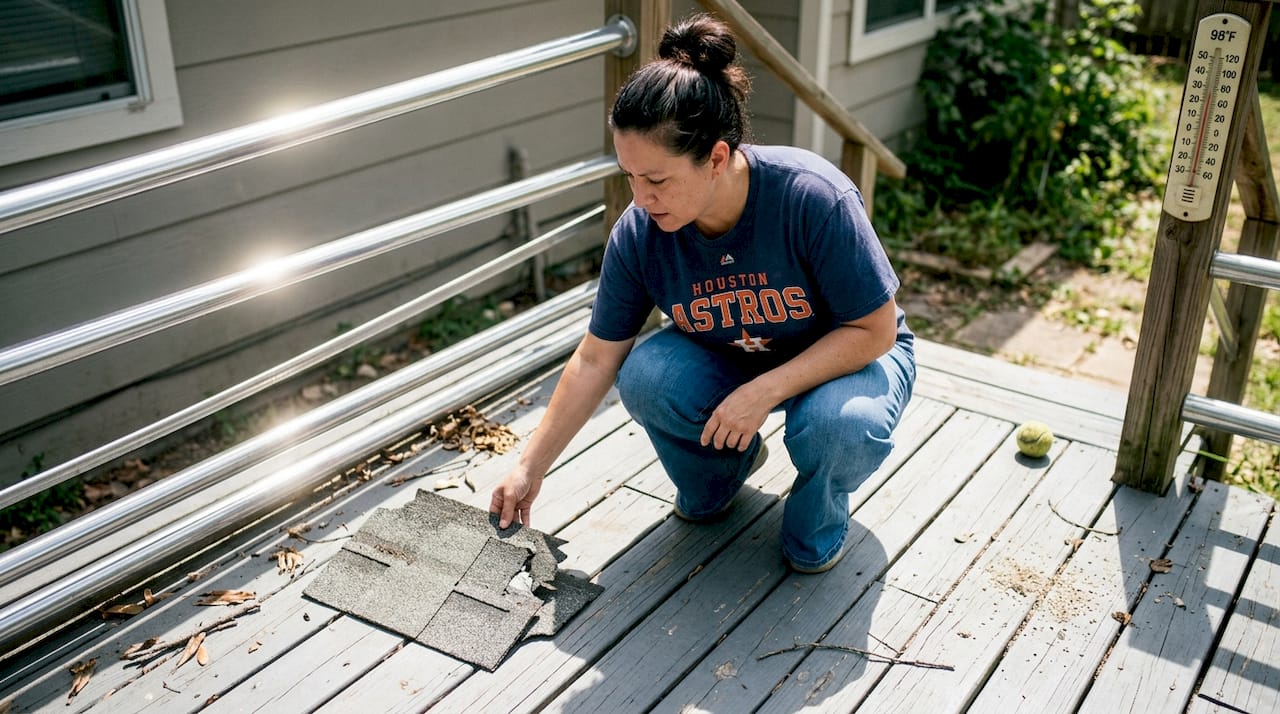
Asphalt shingles last 12 to 18 years in Texas due to extreme heat, UV radiation, and frequent hail, which is significantly shorter than the national average of 20 to 25 years. That gap between warranty promise and real-world performance is where homeowners get caught off guard.
| Roof type | National avg. lifespan | Texas avg. lifespan | Common warranty length |
|---|---|---|---|
| Asphalt shingles | 20 to 25 years | 12 to 18 years | 25 to 50 years |
| Metal roofing | 40 to 70 years | 30 to 50 years | 30 to 50 years |
| TPO flat roofing | 15 to 20 years | 10 to 15 years | 10 to 20 years |
| Tile roofing | 50 plus years | 25 to 40 years | 30 to 50 years |
Texas also sees higher warranty denial rates because many common claims, like hail damage or heat-related cracking, fall under exclusions rather than material defects. Planning ahead means scheduling roof inspections for Texas homes at least once a year, ideally before and after storm season.
Pro Tip: Document every inspection with photos and written reports. If you ever need to file a warranty claim, that paper trail proves you maintained the roof properly and followed the warranty terms.
If your current roof is aging faster than expected, it may be worth upgrading your Texas roofing system to a more durable material with better warranty terms.
Making your warranty work: what every homeowner should do
Knowing your warranty is only half the battle. Protecting it takes consistent action. Here is a practical checklist to keep your coverage intact from day one.
- Register your warranty immediately: Most manufacturer and enhanced warranties require registration within 30 to 60 days of installation. Missing this deadline can void your coverage entirely.
- Get everything in writing: Your contract should specify the warranty type, duration, what is covered, and who to contact for claims. Exclusions are common, so make sure they are all listed clearly before you sign.
- Request a sample warranty copy before installation: Read it before the work begins, not after.
- Schedule annual inspections: Use a certified contractor and keep written records of every visit.
- Follow the manufacturer’s maintenance schedule: This includes keeping gutters clean, trimming overhanging branches, and addressing minor damage quickly.
- Never authorize repairs from uncertified contractors: Even emergency patch jobs from unlicensed workers can void your warranty.
- Keep all paperwork in one place: Store your warranty documents, inspection reports, contractor receipts, and photos together. A digital backup is smart.
- Ask about transferability before you sell: If you plan to sell your home, notify the manufacturer or contractor within the required window to transfer coverage to the new owner.
Asking the right questions before installation is just as important as what you do after. Find out whether your contractor is certified by the manufacturer, what the registration process looks like, and whether the warranty is prorated or non-prorated.
Get the best protection for your Texas roof
Understanding your warranty is the first step. Getting the right installation is what makes that warranty worth something. At Mister ReRoof, we work with certified installation teams to ensure your roof qualifies for the strongest warranty options available, whether you are replacing shingles, metal panels, or flat roofing systems.

If you are in the Houston area, our shingle roof replacement in Sugar Land service gives you access to manufacturer-certified installation and warranty-backed coverage. For homeowners further south, our metal roof replacement in Victoria delivers long-lasting performance built for Texas conditions. Contact Mister ReRoof today to schedule your free estimate and find out exactly what warranty protection your home deserves.
Frequently asked questions
What is typically not covered by a roofing warranty?
Storm damage, poor maintenance, unauthorized repairs, and normal wear are usually excluded from roofing warranties. Always read the exclusions section of any warranty document before signing.
How long does a typical Texas roof actually last?
In Texas, asphalt shingles last 12 to 18 years on average due to severe weather, which is shorter than the national average of 20 to 25 years.
Can I transfer my roofing warranty if I sell my home?
Many warranties allow a one-time transfer to a new homeowner, but you must notify the manufacturer or contractor within a strict timeline, often 30 to 60 days after the sale.
Does Texas law protect homeowners from deceptive roofing warranties?
Yes. The Texas DTPA and Magnuson-Moss Act require clarity and fairness in warranty terms and ban deceptive exclusions or misleading language from contractors and manufacturers.