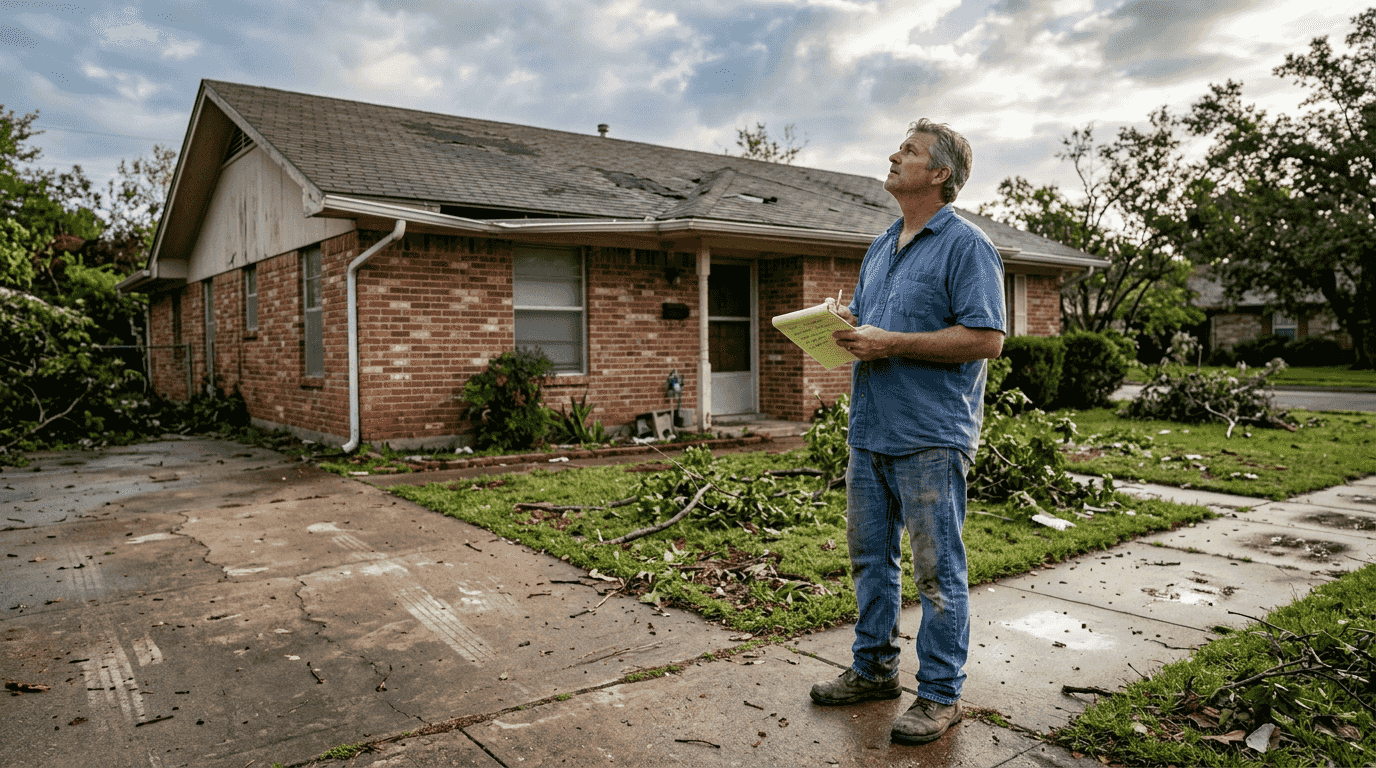
Texas roofs face a unique challenge that catches many homeowners off guard: 12 to 15 severe weather events annually pummel homes across Houston and El Campo, silently accelerating damage that turns minor issues into major financial headaches. While most homeowners understand roofs need occasional attention, few realize how quickly Texas humidity, hailstorms, and heavy rainfall can transform a small crack into a full-blown leak requiring thousands in repairs. This article reveals why proactive roof maintenance is not just recommended but essential for protecting your home’s value, preventing mold growth, and avoiding the costly consequences of neglect in our demanding climate.
Table of Contents
- Understanding Texas Weather And Its Impact On Roofs
- Why Regular Roof Maintenance Prevents Costly Damage
- Comparing Roof Maintenance Strategies For Texas Homeowners
- How To Apply Roof Maintenance Best Practices In El Campo And Houston
- Protect Your Texas Home With Expert Roof Services
Key takeaways
| Point | Details |
|---|---|
| Texas climate accelerates roof wear | High humidity and frequent storms cause faster deterioration than in most regions |
| Maintenance prevents expensive problems | Early repairs stop leaks, mold, and structural damage before they escalate |
| Proactive care saves money | Routine inspections cost far less than emergency repairs or premature replacement |
| Local expertise matters | Texas-specific maintenance schedules address regional weather patterns effectively |
Understanding Texas weather and its impact on roofs
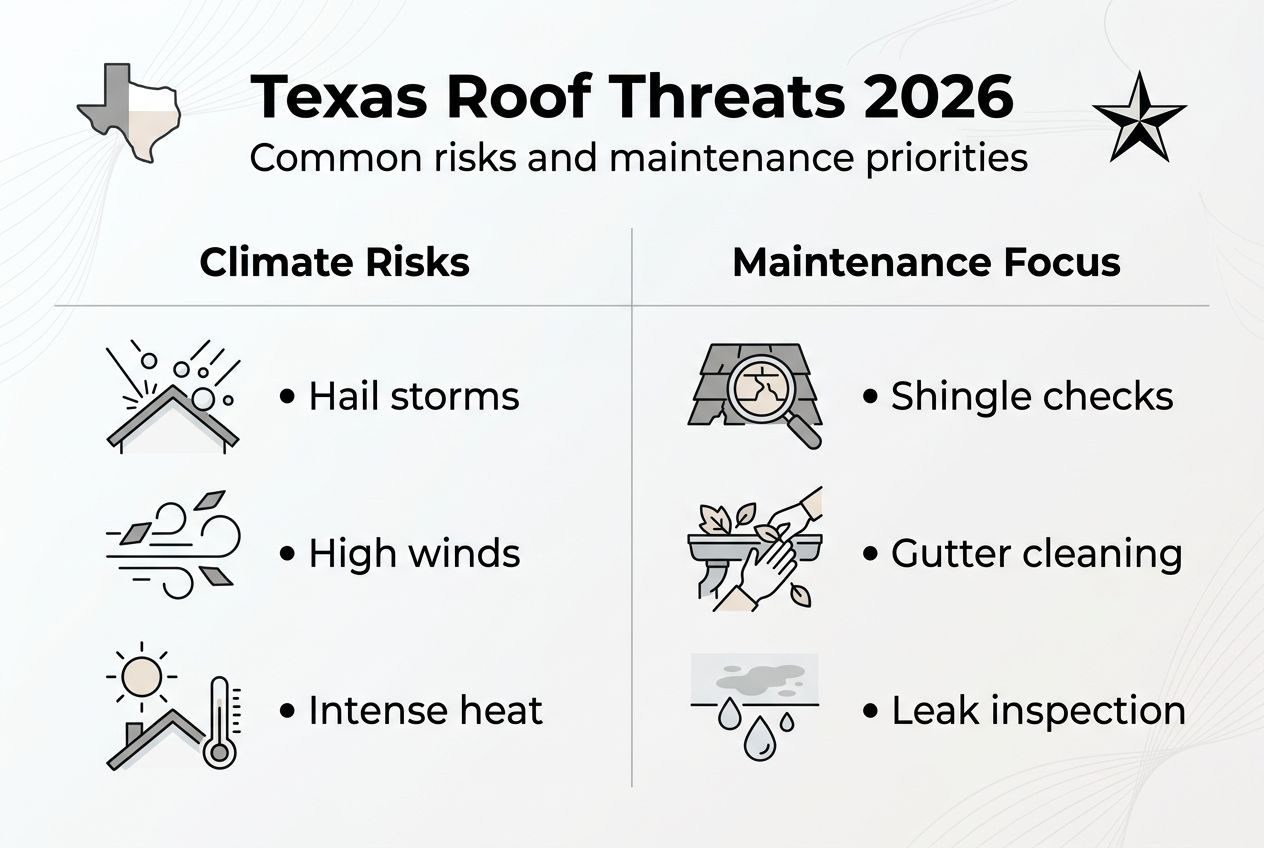
Your roof battles environmental forces daily that most other regions never experience. Texas experiences 12 to 15 severe weather events each year, including powerful hailstorms, high winds exceeding 70 mph, and torrential downpours that test every component of your roofing system. These events do not just cause visible damage. They create microscopic cracks, loosen fasteners, and compromise protective layers in ways that compound over time.
Houston’s climate presents additional challenges beyond storm frequency. The city averages 100 days of rain annually, creating persistent moisture exposure that degrades roofing materials faster than in drier climates. High humidity levels hover around 75% year-round, preventing roofs from fully drying between rain events and creating ideal conditions for algae growth, wood rot, and fastener corrosion. El Campo faces similar moisture challenges with the added stress of coastal wind patterns that lift shingles and accelerate wear on roof edges and valleys.
Common damage types emerge from this climate combination:
- Shingle granule loss from hail impact reduces UV protection and shortens lifespan
- Wind-driven rain forces water under damaged or lifted shingles, causing hidden leaks
- Thermal cycling between hot days and cooler nights creates expansion and contraction stress
- Debris accumulation in valleys and gutters traps moisture against vulnerable areas
- Flashing deterioration around chimneys and vents allows water penetration points
Understanding these specific threats helps you prioritize maintenance activities that address real risks rather than following generic advice designed for other climates. A Texas roof maintenance checklist 2026 tailored to local conditions ensures you focus on the vulnerabilities that matter most for Houston and El Campo homes.
Why regular roof maintenance prevents costly damage
Small problems multiply quickly when left unaddressed, especially under Texas weather pressure. A single cracked shingle might seem insignificant, but it creates an entry point for moisture that can saturate underlying felt paper and decking within weeks. Once water penetrates your roof system, damage accelerates exponentially as wood swells, insulation becomes waterlogged, and mold colonies establish themselves in as little as 24 to 48 hours according to EPA guidelines on moisture control.
Routine maintenance intercepts this damage cascade before it starts. Here is how proactive care protects your investment:
- Visual inspections reveal warning signs like curled shingle edges, missing granules, or cracked flashing before leaks develop
- Gutter cleaning prevents water backup that forces moisture under roof edges and causes fascia rot
- Debris removal eliminates organic material that traps moisture and accelerates deterioration
- Minor repairs address small issues immediately, stopping them from expanding during the next storm
- Professional assessments identify hidden problems like inadequate ventilation that homeowners typically miss
The financial impact of neglect versus maintenance is stark. Replacing a few damaged shingles costs $200 to $400, while repairing water damage to ceilings, walls, and insulation from an undetected leak easily exceeds $5,000. Mold remediation adds another $2,000 to $6,000 depending on spread. Structural repairs to compromised decking or trusses can push total costs past $15,000, transforming what could have been a simple fix into a financial crisis.
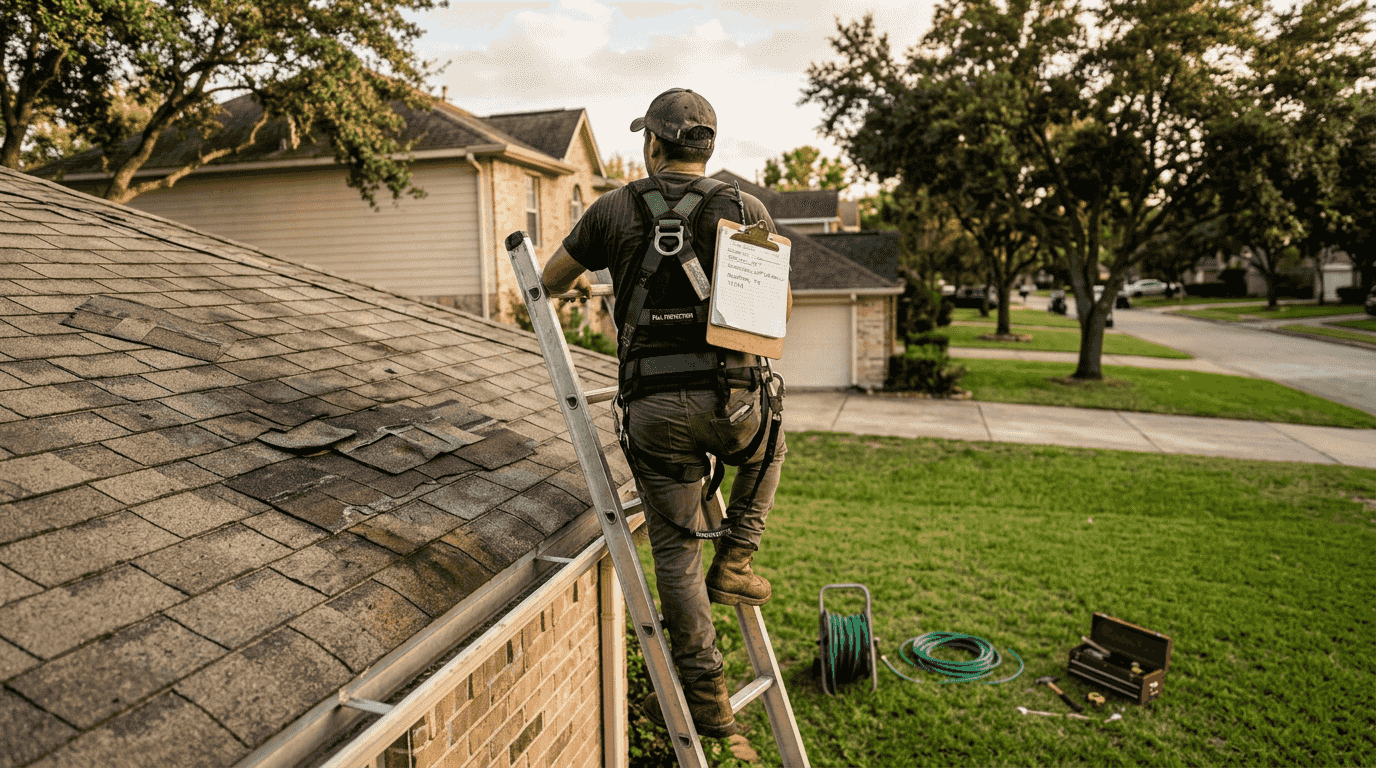
Pro Tip: Schedule inspections in early spring before storm season intensifies and again in late fall after summer heat stress. This timing catches damage from the previous season before winter moisture or spring storms worsen existing problems.
Recognizing causes of roof leaks in Houston helps you understand what to look for during your own visual checks. Combining homeowner vigilance with professional expertise creates a defense system that keeps minor issues from becoming major expenses. Following Houston roof maintenance tips specific to our region ensures you address the right concerns at the right times.
Comparing roof maintenance strategies for Texas homeowners
Homeowners face several approaches to roof care, each with distinct advantages and limitations in Texas conditions. Understanding these options helps you build a maintenance strategy that balances cost, effectiveness, and peace of mind.
| Strategy | Pros | Cons | Best For |
|---|---|---|---|
| DIY maintenance | Low cost, immediate action, regular familiarity with roof condition | Safety risks, limited expertise, may miss hidden damage | Routine visual checks, gutter cleaning, minor debris removal |
| Professional inspections | Expert assessment, comprehensive evaluation, warranty protection | Higher upfront cost, scheduling required | Annual detailed reviews, post-storm damage assessment |
| Reactive repairs | No preventive costs, addresses obvious problems | Much higher total expense, emergency pricing, extensive secondary damage | Not recommended as primary strategy |
The reactive approach proves most expensive despite appearing to save money initially. Ignoring minor issues leads to significantly increased repair costs as water damage spreads through roof layers into your home’s interior. Emergency repairs during active leaks command premium pricing, and contractors prioritize scheduled maintenance customers over emergency calls during busy storm seasons.
A hybrid strategy delivers optimal results for most Texas homeowners:
- Perform monthly visual inspections from ground level, looking for obvious damage or debris
- Clean gutters quarterly or after major storms to prevent water backup
- Schedule professional inspections twice yearly for detailed assessment
- Address identified issues promptly rather than deferring repairs
- Document all maintenance activities and findings for warranty and insurance purposes
Pro Tip: Establish a relationship with a local roofing professional before you need emergency repairs. Companies prioritize existing maintenance customers when storm damage creates service backlogs, ensuring you get faster response when urgent needs arise.
This balanced approach provides cost-effective protection while ensuring expert oversight catches problems beyond homeowner capability. When considering roof replacement tips for Houston, remember that proper maintenance can extend your current roof’s lifespan by 5 to 10 years, delaying replacement costs significantly. Understanding roofing system upgrades in Texas helps you make informed decisions when repairs no longer provide adequate protection.
How to apply roof maintenance best practices in El Campo and Houston
Implementing effective maintenance requires a systematic approach tailored to Texas weather patterns. This practical guide provides actionable steps you can start using immediately to protect your roof investment.
Your seasonal maintenance schedule should follow this framework:
- Spring preparation (March to April): Inspect for winter damage, clear debris from valleys and gutters, check flashing around penetrations, verify proper attic ventilation, trim overhanging branches that could damage roof during summer storms
- Summer monitoring (June to August): Watch for signs of heat stress like curling shingles, check attic temperature and ventilation effectiveness, ensure AC condensate drains properly away from roof edges, inspect after any hailstorms or severe weather
- Fall assessment (September to October): Clear fallen leaves before winter moisture arrives, inspect and repair damaged or missing shingles, verify gutter attachment security, check for algae or mold growth in shaded areas, schedule professional inspection
- Winter vigilance (December to February): Monitor for ice dam formation in unusual cold snaps, check attic insulation effectiveness, watch for interior moisture or staining, clear debris after wind events
Post-storm inspections deserve special attention given local climate demands specific actions. Within 24 hours after severe weather, walk your property perimeter looking for displaced shingles, granule accumulation in gutters, dented flashing, or damaged roof vents. Document findings with photos for insurance purposes even if damage seems minor. Small hail impacts may not cause immediate leaks but compromise shingle integrity, leading to premature failure.
Critical maintenance tasks include:
- Gutter cleaning: Remove all debris, flush downspouts, verify proper slope toward drains, check for separation from fascia
- Shingle inspection: Look for cracks, curling, missing pieces, or exposed nail heads that indicate fastener failure
- Flashing review: Examine metal flashing around chimneys, vents, and valleys for rust, separation, or damage
- Ventilation check: Ensure soffit vents remain unblocked and ridge vents function properly to prevent heat and moisture buildup
- Sealant assessment: Inspect caulking around penetrations and replace deteriorated sealant before leaks develop
Know when professional help becomes necessary. Call roofing experts for sagging areas that suggest structural issues, widespread shingle damage affecting multiple roof sections, active leaks requiring immediate attention, or any situation where safe roof access is questionable. Your safety matters more than any DIY savings, and professionals carry insurance protecting you from liability.
Following a comprehensive Texas roof maintenance checklist 2026 ensures you address all critical areas without overlooking important details. Consistency matters more than perfection. Regular attention catches problems early when fixes remain simple and affordable.
Protect your Texas home with expert roof services
While diligent homeowner maintenance provides essential first-line protection, professional expertise ensures your roof withstands everything Texas weather throws at it. Mister ReRoof specializes in helping El Campo and Houston homeowners maintain and replace roofing systems designed specifically for our challenging climate.

Our team understands the unique stresses Gulf Coast weather places on different roofing materials. Whether you need expert assessment of your current roof’s condition, repairs to address storm damage, or guidance on when maintenance no longer provides adequate protection, we deliver solutions tailored to your home’s specific needs. We offer comprehensive roof replacement in El Campo when your roof reaches the end of its serviceable life, using materials proven to perform in Texas conditions.
For homeowners considering upgrades, we provide specialized services including shingle roof replacement in El Campo using impact-resistant materials that withstand hail damage, and TPO roof replacement in El Campo for superior moisture resistance and energy efficiency. Contact us today for a free inspection and personalized maintenance recommendations that protect your investment for decades.
FAQ
How often should homeowners in Texas schedule roof maintenance inspections?
Texas homeowners should schedule professional roof inspections twice yearly, ideally in early spring before severe weather season and again in fall after summer heat stress. This timing catches damage before it worsens during the next weather cycle. Additionally, inspect your roof after any major storm event involving hail, high winds, or heavy rain, as these can cause immediate damage requiring prompt attention.
What are the most common roof problems caused by Houston and El Campo weather?
The most frequent issues include shingle blow-off from high winds, granule loss from hail impact, leak development around flashing and valleys, clogged gutters causing water backup, and mold growth from persistent moisture exposure. Heavy rainfall and humidity create ideal conditions for algae colonization and wood rot in vulnerable areas. Storm debris accumulation also traps moisture against roof surfaces, accelerating deterioration of underlying materials.
Can homeowners perform effective roof maintenance themselves?
Homeowners can safely handle visual inspections from ground level, gutter cleaning, debris removal, and monitoring for obvious damage signs. These routine tasks catch many problems early and maintain basic roof health between professional visits. However, detailed inspections requiring roof access, storm damage assessment, repairs involving shingle replacement or flashing work, and evaluation of structural concerns should be left to licensed professionals who have proper safety equipment and expertise.
How does timely roof maintenance affect home value in Texas?
Regular maintenance preserves your roof’s structural integrity and appearance, directly protecting your home’s resale value and curb appeal. Well-maintained roofs pass inspection requirements during real estate transactions, while neglected roofs often force price reductions or require replacement before closing. Documented maintenance history also reduces insurance claim risks and may qualify you for premium discounts, providing ongoing financial benefits beyond simple damage prevention.