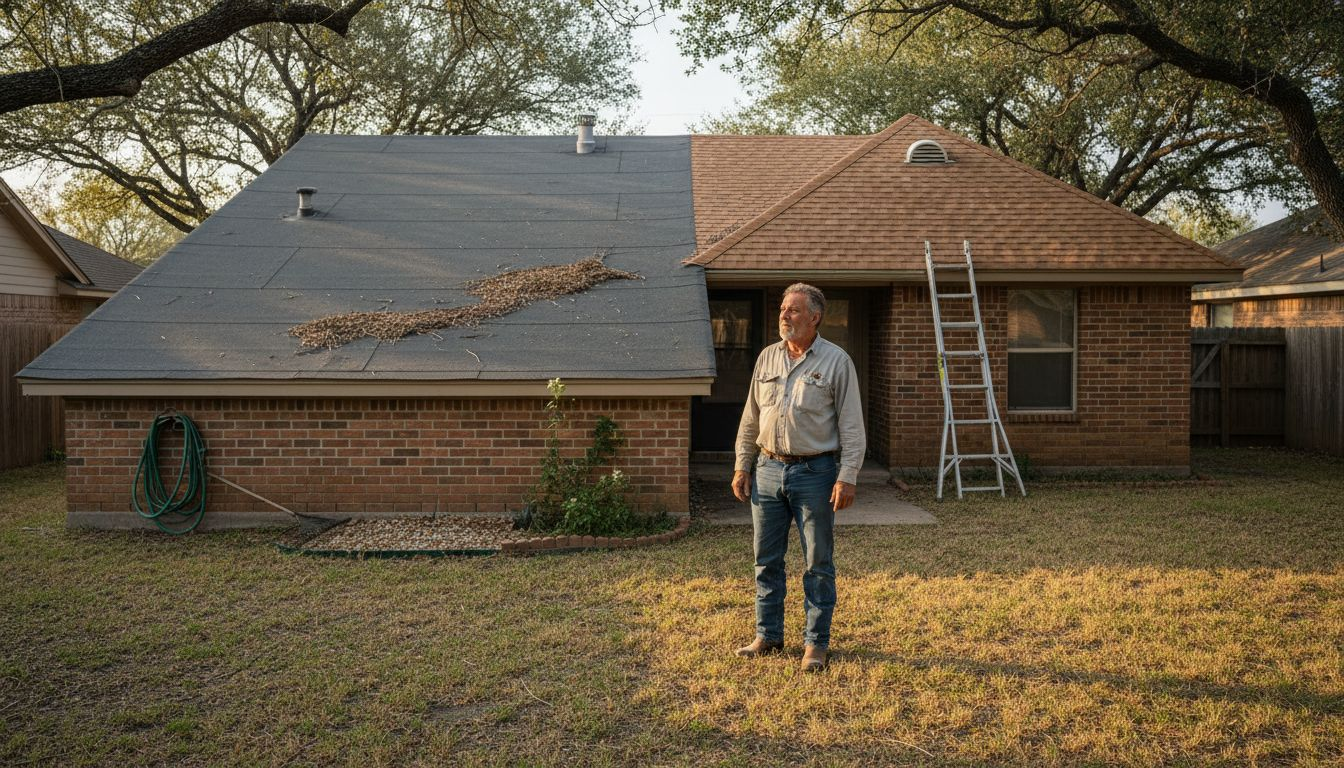
Many Texas homeowners assume flat roofs are inferior to pitched roofs in durability and weather resistance. This belief stems from outdated perceptions of flat roofing technology. Modern flat roof systems, when properly installed with quality membranes and maintained regularly, perform comparably to pitched roofs even under harsh Texas conditions. Understanding the structural, performance, and cost differences between these two roofing styles helps you make an informed decision that protects your investment and suits your home’s needs in the demanding Texas climate.
Table of Contents
- Structural Differences Between Flat And Pitched Roofs
- Weather Resilience In Texas Climate
- Durability And Lifespan Comparison
- Cost Implications For Texas Homeowners
- Maintenance Challenges And Best Practices
- Common Misconceptions About Flat Roofs
- Making The Right Choice For Your Texas Home
- Discover Expert Roof Replacement Services In Texas
- Frequently Asked Questions
Key takeaways
| Point | Details |
|---|---|
| Structure affects drainage | Flat roofs need engineered drainage systems while pitched roofs drain naturally by gravity. |
| Lifespan varies by type | Pitched roofs typically last 20-30 years with shingles or 50+ with metal; flat roofs average 20-25 years with TPO membranes. |
| Cost trade-offs exist | Flat roofs cost less to install but require more frequent maintenance; pitched roofs have higher upfront costs but lower long-term expenses. |
| Maintenance frequency differs | Flat roofs need twice as many inspections as pitched roofs due to membrane and drainage care requirements. |
| Climate compatibility matters | Both roof types can handle Texas weather when material selection and maintenance schedules match local conditions. |
Structural differences between flat and pitched roofs
Flat roofs appear nearly level with minimal slope, typically just enough for water drainage, while pitched roofs have noticeable angles ranging from moderate to steep. This fundamental design difference determines everything from material choices to maintenance needs. Flat roofs rely on waterproofing membranes like TPO or EPDM to prevent leaks, whereas pitched roofs typically use overlapping shingles or metal panels that shed water by gravity.
Drainage represents the most critical structural distinction. Flat roofs require engineered drainage systems including internal drains, scuppers, or tapered insulation to direct water off the surface. Pitched roofs naturally channel water down their slopes to gutters without complex drainage infrastructure. This difference impacts both installation complexity and ongoing maintenance demands.
Load management also varies between the two designs:
- Pitched roofs shed snow, debris, and standing water automatically due to their angle
- Flat roofs must support temporary water weight during heavy rains until drainage systems clear the surface
- Structural framing differs, with flat roofs needing stronger supports to handle potential water accumulation
- Material compatibility changes based on roof angle and exposure to standing water
The structural design affects which roofing materials work best for each type. Flat roofs demand continuous waterproof membranes that can withstand pooling water, while pitched roofs allow breathable materials like asphalt shingles that rely on gravity-driven water shedding. Understanding these foundational differences helps you appreciate why each roof type performs differently in Texas weather conditions.
Weather resilience in Texas climate
Texas weather tests roofing systems with extreme heat, torrential rains, and occasional hurricanes. These conditions expose the performance differences between flat and pitched roofs. Intense summer sun beats down on Texas roofs for months, causing thermal expansion and material degradation. Metal pitched roofs excel here because they reflect up to 70% of solar radiant heat, significantly reducing cooling costs and extending material life.
Heavy rainfall presents challenges for both roof types but affects them differently. Flat roofs face greater risk during downpours if drainage systems become clogged or insufficient, leading to ponding water that stresses membranes and increases leak potential. Pitched roofs naturally shed water quickly, reducing the likelihood of infiltration during storms. However, this advantage diminishes when comparing well-maintained flat roofs with quality membranes to neglected pitched roofs with damaged shingles.
“Properly maintained flat roofs with high-quality membranes have leakage rates comparable to pitched roofs in Texas.” This finding challenges the common assumption that flat roofs inevitably leak more.
Hurricane resilience depends on installation quality and material choice rather than roof type alone. Pitched metal roofs in Houston have demonstrated exceptional wind resistance during major storms, with properly anchored panels staying intact through category 3 winds. Flat roof systems with mechanically fastened or fully adhered membranes perform similarly when installed to code. The key factors include:
- Proper fastening and sealing of all roof components
- Quality of flashing around penetrations and edges
- Regular inspections to catch and repair minor damage before storms
- Selection of storm-proof materials rated for Texas wind loads
Both flat and pitched roofs can achieve excellent weather resilience in Texas when you pair appropriate materials with diligent maintenance. The choice between them should consider your capacity for upkeep and specific exposure risks rather than assuming one type universally outperforms the other.
Durability and lifespan comparison
Roof lifespan directly affects your long-term investment value and replacement planning. Pitched roofs with asphalt shingles typically last 20-30 years in Texas, while TPO membranes on flat roofs average 20-25 years with proper care. Metal pitched roofs significantly outlast both options, often exceeding 50 years when maintained correctly. These ranges depend heavily on material quality, installation precision, and maintenance consistency.
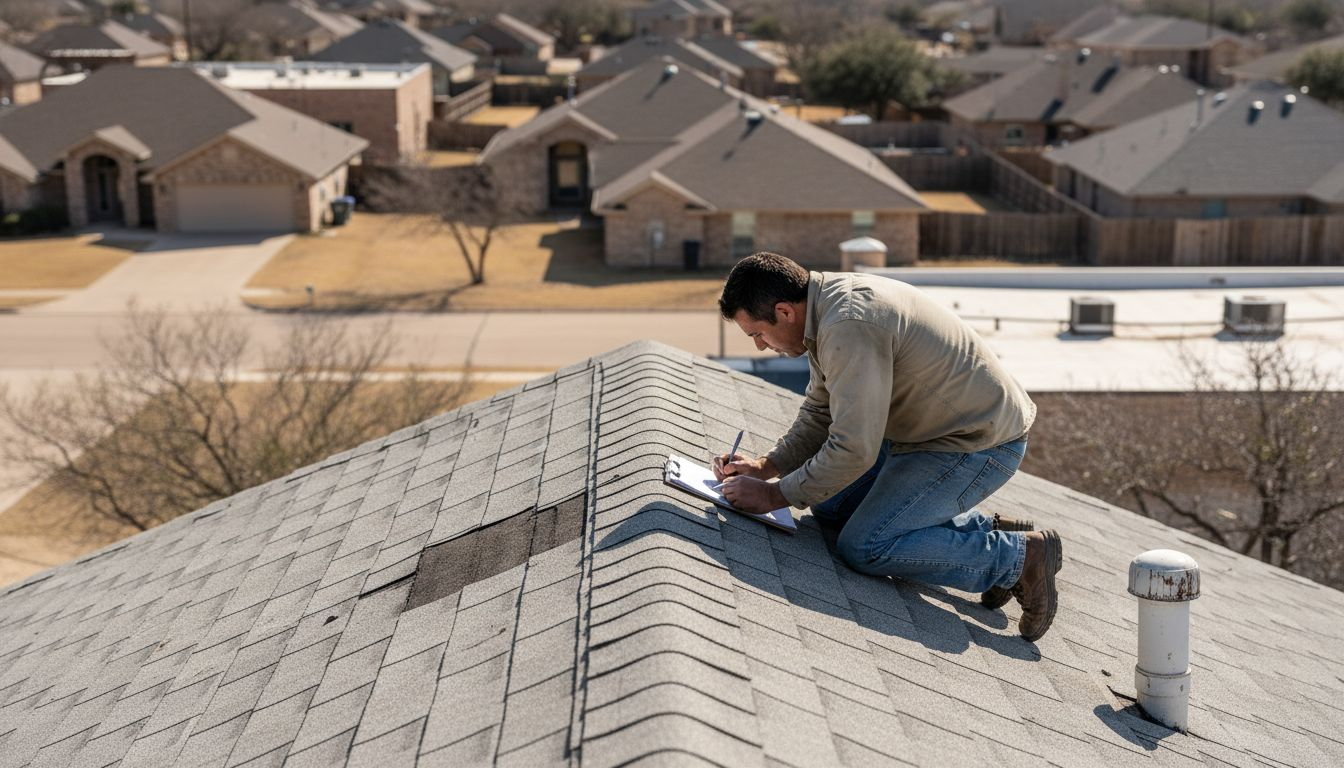
Several factors accelerate roof degradation in Texas. UV exposure from intense sun breaks down roofing materials over time, causing brittleness in shingles and membrane deterioration on flat roofs. Wind damage from storms lifts shingles and tears membrane seams. Water infiltration through tiny gaps or damaged areas causes internal rot and structural weakness. Regular inspections catch these problems early, preventing minor issues from becoming expensive failures.
| Roof Type | Average Lifespan | Primary Wear Factors | Maintenance Frequency |
|---|---|---|---|
| Asphalt shingle pitched | 20-30 years | UV damage, wind lift, granule loss | Annual inspections |
| Metal pitched | 50+ years | Fastener corrosion, coating wear | Every 2-3 years |
| TPO flat | 20-25 years | Seam failure, ponding water, UV exposure | Bi-annual inspections |
| Modified bitumen flat | 15-20 years | Heat damage, foot traffic, blistering | Bi-annual inspections |
Pro Tip: Schedule bi-annual inspections for flat roofs in Texas, timing them before hurricane season and after winter to catch drainage issues and membrane damage early. This simple practice can extend your flat roof’s lifespan by 5-7 years and prevent costly emergency repairs.
The durability difference between roof types narrows significantly when you factor in maintenance quality. A neglected metal pitched roof will fail sooner than a well-maintained flat roof. Your commitment to regular professional inspections and prompt repairs matters more than the roof style itself. Consider your realistic maintenance capacity when choosing between flat and pitched options, as this determines actual roof lifespan and long-term value.
Cost implications for Texas homeowners
Budget considerations shape most roofing decisions, making cost comparison essential. Pitched roofs generally require higher upfront investment due to material expenses and installation complexity. The angled structure needs more materials to cover the same square footage, and labor costs increase with roof steepness. Flat roofs offer lower installation costs because simpler framing and easier access reduce labor time and material waste.
However, initial savings on flat roofs can disappear through higher maintenance expenses. Flat roofs demand more frequent professional inspections and repairs to maintain their integrity. Membrane repairs, drainage system cleaning, and ponding water remediation add ongoing costs. Pitched roofs require less frequent attention, though repairs to damaged shingles or flashing still occur. The total cost of ownership over 20-30 years often favors pitched roofs despite higher initial prices.
Several cost factors deserve attention when comparing options:
- Metal pitched roofs cost 2-3 times more initially than asphalt shingles but rarely need repairs and last twice as long
- Flat roof membrane replacement every 20-25 years represents a major expense
- Energy savings from reflective metal roofs or white TPO membranes reduce cooling costs by 15-25%
- Flat roof maintenance contracts add $500-1,200 annually depending on roof size
- Storm damage repairs cost less on pitched roofs due to easier shingle replacement compared to membrane patching
Your financial decision should balance upfront affordability with long-term expenses. If you have limited initial budget but can commit to regular maintenance, a flat roof makes sense. If you want minimal ongoing costs and plan to stay in your home long-term, investing in a quality pitched roof, especially metal, delivers better cost savings over time. Consider both your current financial capacity and your willingness to maintain the roof when evaluating true costs.
Maintenance challenges and best practices
Maintenance demands differ dramatically between flat and pitched roofs in Texas. Understanding these requirements helps you choose a roof type that matches your capacity for upkeep. Flat roofs need attention roughly twice as frequently as pitched roofs because membrane integrity and drainage function require constant monitoring. Bi-annual inspections should focus on seam condition, membrane punctures, and drain clearing.
Ponding water represents the greatest flat roof risk. Water that remains on the surface more than 48 hours after rain accelerates membrane breakdown and dramatically increases leak probability. Addressing ponding requires professional assessment of drainage adequacy and potential addition of tapered insulation or extra drains. Ignoring this issue leads to premature roof failure.
Pitched roofs require less frequent but still essential maintenance:
- Annual inspections checking for loose, cracked, or missing shingles
- Flashing examination around chimneys, vents, and roof valleys where leaks commonly start
- Gutter cleaning to prevent water backup under shingles
- Attic ventilation checks to prevent heat and moisture damage from inside
- Tree trimming to minimize debris accumulation and branch damage
Pro Tip: Schedule roof inspections before hurricane season begins in June and after it ends in November. This timing catches winter damage before summer storms and addresses hurricane damage before winter rains, maximizing your roof’s protection year-round.
Preventive maintenance delivers substantial returns on both roof types. Catching a small membrane tear or damaged shingle early costs $200-500 to repair, while ignoring it until water infiltrates interior spaces leads to $3,000-10,000 in combined roofing and interior repairs. Following a Texas roof maintenance checklist appropriate to your roof type extends lifespan and avoids emergency situations.
Successful maintenance requires commitment and budget. Factor ongoing inspection and repair costs into your roof selection decision. A pitched roof suits homeowners who want to minimize attention and expense, while a flat roof works for those willing to invest time and money in regular professional care. Neither option is truly maintenance-free, but the frequency and cost differences are significant.
Common misconceptions about flat roofs
Several persistent myths about flat roofs mislead Texas homeowners considering their options. These misconceptions often stem from outdated information about older roofing technology or experiences with poorly installed systems. Addressing these false beliefs helps you make decisions based on current capabilities rather than past limitations.
Myth: Flat roofs always leak more than pitched roofs. Modern flat roofing systems with properly installed TPO or EPDM membranes have leakage rates comparable to pitched roofs when maintained correctly. The difference lies in installation quality and maintenance consistency, not the roof design itself. Poorly installed pitched roofs leak just as readily as neglected flat roofs.
Myth: Flat roofs cannot endure Texas weather extremes. Advances in membrane technology and drainage design enable flat roofs to handle intense heat, heavy rains, and high winds effectively. Quality flat roof systems installed to current building codes perform reliably through hurricanes and heat waves. The key is selecting appropriate materials rated for Texas conditions and ensuring proper installation.
Myth: Pitched roofs always offer better value. While pitched roofs often provide lower lifetime costs, the calculation changes based on your specific situation. Flat roofs cost less initially, create usable outdoor space, and simplify solar panel installation. For homeowners planning shorter occupancy or wanting rooftop amenities, flat roofs can deliver superior value despite higher maintenance needs.
Additional misconceptions worth correcting:
- Flat roofs are completely flat: They actually have slight slopes for drainage
- All flat roofs pond water: Properly designed systems drain effectively
- Flat roof repairs are always expensive: Small membrane repairs cost less than shingle replacements
- Pitched roofs never need drainage help: Valleys and low slopes can trap water without proper design
Understanding these facts helps you evaluate smart flat roof designs objectively. Don’t let myths eliminate flat roofs from consideration if they suit your home’s architecture, budget, and maintenance capacity. Similarly, don’t assume pitched roofs solve all problems, they require proper installation and care too. Base your decision on accurate information about how modern roofing systems perform in Texas conditions.
Making the right choice for your Texas home
Choosing between flat and pitched roofs requires evaluating multiple factors specific to your situation. No single roof type suits every Texas home or homeowner. The optimal choice balances weather resilience, durability expectations, maintenance capacity, budget constraints, and architectural compatibility. Consider how each factor applies to your circumstances before deciding.
Follow these steps to evaluate your roofing options systematically:
- Assess your home’s exposure to severe weather and drainage challenges around the property
- Determine your realistic maintenance commitment and budget for ongoing roof care
- Calculate total cost of ownership including installation, maintenance, energy savings, and expected lifespan
- Consider architectural style and whether your home design suits flat or pitched roofing aesthetically
- Research material options within your preferred roof type to optimize performance and value
- Consult local roofing professionals for site-specific recommendations based on your home’s characteristics
| Choose Flat Roof When | Choose Pitched Roof When |
|---|---|
| You want lower initial installation costs | You prefer minimal ongoing maintenance |
| Your home has modern or southwestern architecture | Traditional home style suits sloped roofing |
| You can commit to bi-annual professional inspections | You want maximum lifespan with less attention |
| Rooftop deck or solar panels are priorities | Storm water shedding is a primary concern |
| You have reliable access to quality flat roof contractors | Energy savings from reflective metal appeals |
Pro Tip: Request multiple quotes from experienced contractors specializing in your preferred roof type. Installation quality matters more than roof style for long-term performance, so choose skilled professionals familiar with Texas building codes and climate challenges.
Balancing trade-offs determines your best choice. If you prioritize lowest lifetime cost and longest lifespan, a metal pitched roof excels despite high initial expense. If you need affordable installation with acceptable durability, a quality flat roof with committed maintenance works well. Flat roofing options continue improving with better membranes and installation techniques, narrowing performance gaps with pitched roofs.
Your decision should reflect your priorities rather than generic advice. Consider your financial situation, time availability for maintenance oversight, home design, and long-term plans. Both flat and pitched roofs protect Texas homes effectively when matched to homeowner circumstances and maintained properly. Take time to evaluate your specific needs before committing to either option.
Discover expert roof replacement services in Texas
Choosing the right roof type is just the first step toward protecting your Texas home. Professional installation and quality materials determine whether your flat or pitched roof delivers the durability and weather resistance you need. Mister ReRoof specializes in roof replacements for Houston homeowners, bringing expertise in both flat and pitched roofing systems designed for Texas conditions.
Whether you need flat roof replacement in El Campo with modern TPO membranes or shingle roof replacement for traditional pitched designs, Mister ReRoof delivers installations built to withstand heat, storms, and heavy rains. Their commitment to quality workmanship and dependable service ensures your investment protects your property for decades. Contact Mister ReRoof today to schedule a consultation and receive a free estimate tailored to your home’s specific roofing needs.
Frequently asked questions
What roof type is best for Texas heat?
Metal pitched roofs excel in Texas heat because they reflect up to 70% of solar radiation, dramatically reducing cooling costs and extending material life. Flat roofs can achieve similar benefits when fitted with white or reflective TPO membranes that minimize heat absorption. Both options significantly outperform dark asphalt shingles in energy efficiency during hot Texas summers.
How often should I maintain a flat roof in Texas?
Flat roofs require professional inspections at least twice yearly due to membrane integrity and drainage system care needs. Schedule one inspection before hurricane season and another after to catch drainage clogs and membrane damage early. This maintenance frequency prevents small problems from becoming expensive leaks and extends your roof’s functional lifespan by 5-7 years.
Are flat roofs more prone to leaks than pitched roofs?
Modern flat roofs installed with quality TPO or EPDM membranes have leakage rates comparable to pitched roofs when properly maintained. The critical difference lies in installation quality and maintenance consistency rather than roof design. Neglected roofs of either type will eventually leak, while well-maintained systems perform reliably regardless of style.
Which roofing option offers better long-term value in Texas?
Pitched roofs typically deliver better long-term value through longer lifespans and lower maintenance costs, especially metal roofs lasting 50+ years. Flat roofs reduce installation expenses and enable rooftop solar panels or decks, providing value through initial savings and functionality. Your best value depends on balancing upfront budget, maintenance capacity, expected home occupancy duration, and priority features like energy efficiency or usable outdoor space.