
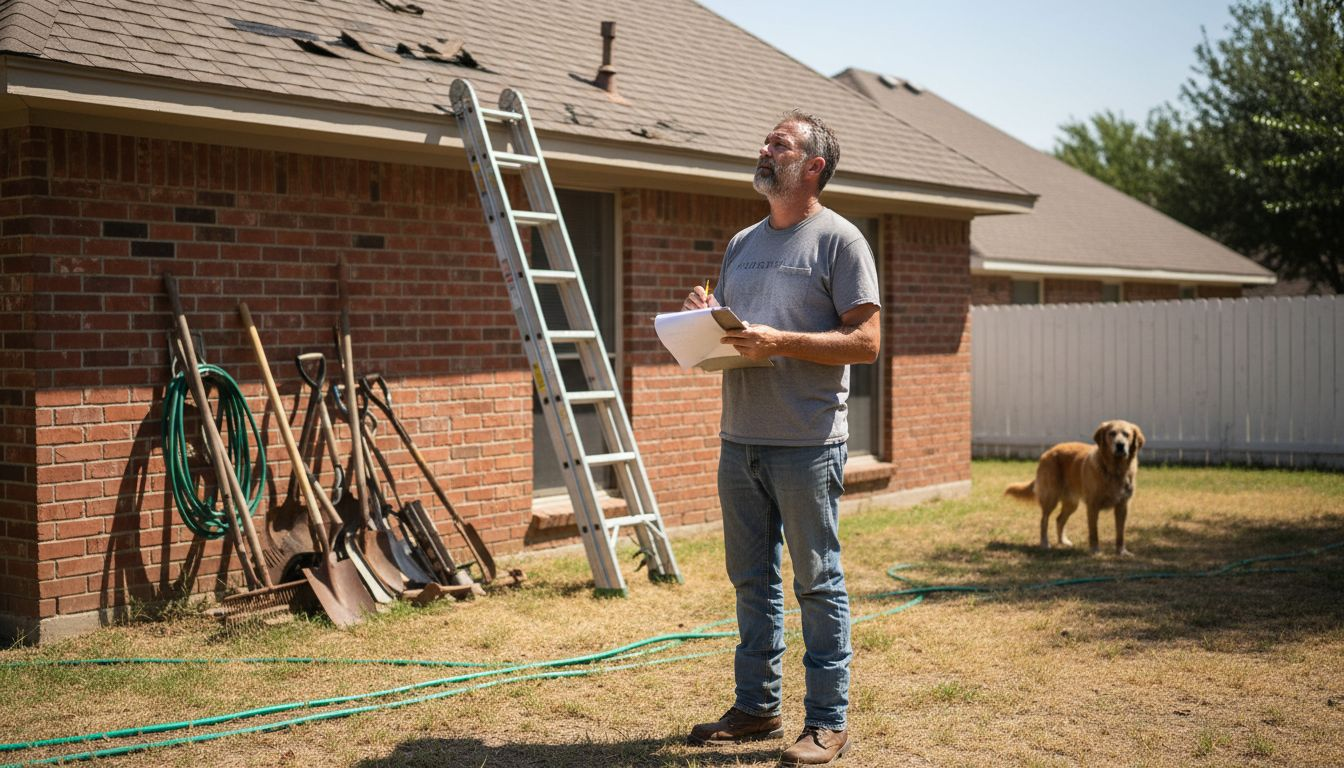
Texas weather extremes hit roofs hard. Scorching heat, sudden hail, and intense humidity cause rapid deterioration that most homeowners miss until major problems emerge. Studies show 70% of major roof failures originate from small, unnoticed damage that could have been caught through regular maintenance. This comprehensive checklist guides you through seasonal inspections and material specific care to protect your investment and avoid emergency repairs.
Table of Contents
- How To Choose The Right Roof Maintenance Approach In Texas
- Seasonal Roof Maintenance Checklist For Texas Homeowners
- Material Specific Maintenance Tips For Texas Roofs
- Identifying And Addressing Weather Related Roof Damage
- When To Call A Professional And Maintain Documentation
- Summary Comparison: Roof Maintenance Tasks By Season And Material
- Situational Recommendations For Texas Homeowners
- Protect Your Texas Roof With Mister Reroof In 2026
- Frequently Asked Questions
Key Takeaways
| Point | Details |
|---|---|
| Seasonal inspections | Biannual checks in spring and fall prevent 70% of emergency repairs |
| Material matters | Asphalt, metal, and tile roofs each require unique maintenance approaches |
| Weather watch | Texas heat and hail demand more frequent inspections than national averages |
| Professional edge | Thermal imaging detects hidden damage DIY methods miss |
How to Choose the Right Roof Maintenance Approach in Texas
Texas climate demands specialized roof care. Your maintenance strategy must account for extreme heat that reaches 105°F in summer, sudden hailstorms, and humidity levels that promote mold growth. These factors accelerate wear faster than in most regions.
Timing matters significantly. Spring and fall inspections catch damage before peak weather seasons. Spring checks prepare your roof for summer heat, while fall inspections ensure readiness for winter storms and temperature swings.
Your roof material determines specific vulnerabilities. Asphalt shingles suffer UV damage and granule loss. Metal roofs expand and contract with temperature changes. Tile roofs face structural stress from weight and weather impacts. Each material needs tailored attention.
Balancing DIY and professional services saves money while ensuring thorough care. You can handle visual inspections, gutter cleaning, and minor debris removal. However, essential roof maintenance tips for Houston homeowners include professional evaluations for structural issues, leak detection, and warranty compliance.
Pro Tip: Schedule professional inspections every 2 to 3 years even if you perform regular DIY checks. Experts spot subtle damage indicators invisible to untrained eyes.
Cost analysis favors prevention. A professional inspection costs $200 to $400, while emergency repairs average $1,500 to $5,000. Regular maintenance extends roof life by 5 to 10 years, delaying replacement costs exceeding $15,000.
Seasonal Roof Maintenance Checklist for Texas Homeowners
Spring maintenance prepares your roof for brutal summer conditions. Start with a thorough visual inspection from ground level using binoculars. Look for missing, cracked, or curling shingles that winter weather may have damaged. Check flashing around chimneys, vents, and skylights for gaps or rust.
Clean gutters and downspouts completely. Remove leaves, twigs, and debris that accumulated over winter. Ensure water flows freely through the system. Inspect attic ventilation to confirm proper airflow, which prevents heat buildup that damages shingles from underneath.
Summer tasks focus on heat related damage. Inspect for shingle deterioration caused by UV exposure. Look for excessive granule loss in gutters, which signals accelerated aging. Remove branches and debris that trap heat against the roof surface.
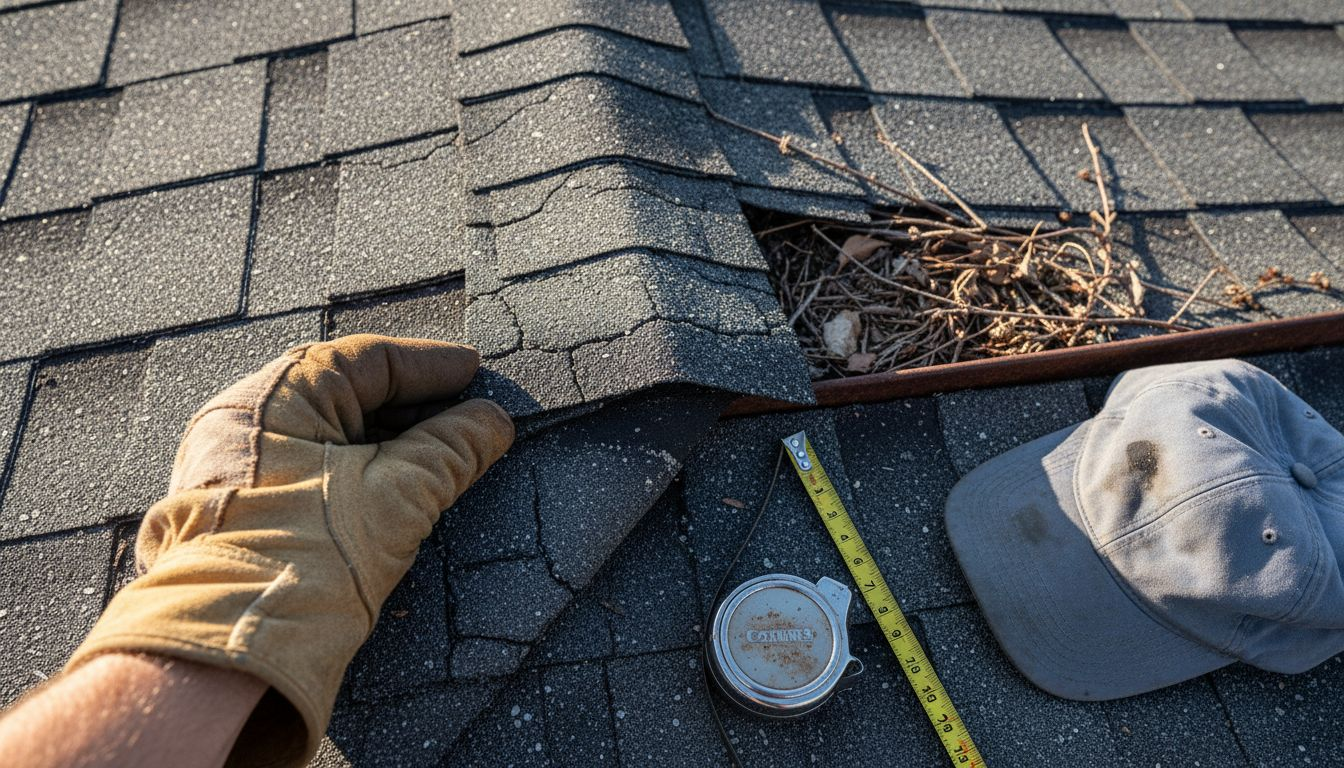
Check for thermal expansion damage on metal roofs. Fasteners can loosen as panels expand and contract. Verify that reflective coatings remain intact to deflect heat effectively. Understanding Houston weather roof protection tips helps you target vulnerable areas.
Fall preparation addresses storm damage and winter readiness. Inspect for hail impacts, dents, or cracks from summer storms. Clean gutters again before heavy rains arrive. Check that gutters align properly and water drains away from the foundation.
Winter maintenance monitors moisture and structural integrity. Look for ice dam formation in cold snaps. Check attic insulation and ventilation to prevent condensation buildup. Inspect ceilings and walls inside for water stains indicating leaks.
Pro Tip: Take photos during each seasonal inspection. Document roof condition over time to track deterioration patterns and support insurance claims if damage occurs.
Material Specific Maintenance Tips for Texas Roofs
Asphalt shingle roofs dominate Texas homes but require vigilant care. Watch for granule loss, which appears as bare spots or excessive granules in gutters. Shingles losing granules offer less UV protection and deteriorate faster. Check for curling edges or corners, indicating heat damage or age.
Inspect for algae growth, appearing as dark streaks. While primarily cosmetic, algae retention holds moisture that accelerates shingle breakdown. Replace damaged shingles promptly to prevent water infiltration.
Metal roofs offer durability but need specific attention. Inspect for dents from hail, especially after storms. Check panel fasteners and screws for looseness caused by thermal expansion. Verify that protective coatings remain intact.
Metal roofs benefit from reflective coatings that reduce heat absorption. Metal roofs benefits and maintenance practices extend lifespan significantly. Clean metal surfaces annually to remove debris and prevent corrosion at seams.
Tile roofs require careful structural monitoring. Individual tiles crack or break from impacts or thermal stress. Walk tile roofs cautiously if you must, as your weight can cause damage. Inspect mortar between tiles for deterioration.
Check roof deck structure for sagging under tile weight. Heavy rains can saturate underlayment, adding stress. Ensure flashing around tile installations remains sealed.
| Material | Key Maintenance Focus | Inspection Frequency | Common Issues |
|---|---|---|---|
| Asphalt Shingles | Granule loss, curling, algae | Biannual | UV damage, heat stress |
| Metal | Fasteners, coatings, dents | Biannual plus post storm | Thermal expansion, hail |
| Tile | Cracks, mortar, structure | Biannual | Weight stress, breakage |
Pro Tip: Different materials age differently in Texas heat. Asphalt shingles typically last 15 to 20 years, metal roofs 40 to 70 years, and tile roofs 50 plus years with proper maintenance.
Identifying and Addressing Weather Related Roof Damage
Hail damage often goes unnoticed until leaks develop. On asphalt shingles, look for small dents or bruises that appear as dark spots where granules dislodged. Metal roofs show obvious dents but also check for cracks at impact points. Tile roofs may have visible breaks or chips.
Heat damage manifests differently. Shingles become brittle and crack easily. You might notice increased granule loss or widespread curling across large roof sections. Metal roofs show paint fading or coating degradation.
Leak detection requires interior and exterior checks. In your attic, look for water stains on rafters or decking, especially after heavy rains. Inspect ceiling and wall areas below the roof for discoloration or bubbling paint. Outside, check for daylight visible through roof boards from the attic.
Understanding common roofing problems in Houston helps prioritize repairs. Address active leaks immediately to prevent mold growth and structural damage. Even minor leaks cause thousands in water damage if ignored.
Deferred repairs compound costs exponentially. A $300 shingle replacement becomes a $3,000 deck repair if water rots underlying structure. Insurance companies may deny claims if you delayed addressing known damage.
Pro Tip: After severe weather, take detailed photos of any damage before making temporary repairs. Document everything for insurance claims while ensuring your home stays protected.
When to Call a Professional and Maintain Documentation
Professional inspections provide value beyond DIY capability. Roofers use thermal imaging cameras to detect moisture trapped in roof layers invisible to visual inspection. These cameras reveal temperature differences indicating wet insulation or deck damage.
Schedule professional help when you notice structural sagging, widespread damage across multiple areas, or damage near roof penetrations like chimneys. If you feel unsafe accessing your roof, always hire professionals rather than risking injury.
Documentation serves multiple critical purposes. Keep detailed records of all inspections, repairs, and maintenance activities. Save receipts, invoices, and contractor reports. Take dated photos showing roof condition over time.
This documentation accelerates insurance claims significantly. Insurers process claims faster when you provide clear evidence of damage and maintenance history. Records also prove you maintained the roof properly, which some warranties require.
Selecting qualified contractors protects your investment. Verify Texas licenses and insurance coverage. Check references and online reviews. Request detailed written estimates before work begins. Understanding roof replacement and professional inspection tips helps you evaluate contractors effectively.
Scheduled maintenance plans offer convenience and consistency. Many roofing companies provide annual or biannual inspection packages at reduced rates. These plans ensure you never miss critical maintenance windows.
Summary Comparison: Roof Maintenance Tasks by Season and Material
| Season | Asphalt Shingles | Metal Roofs | Tile Roofs | DIY vs Professional |
|---|---|---|---|---|
| Spring | Inspect for winter damage, clean gutters, check granules | Verify fasteners, inspect coatings, check for corrosion | Examine tiles for cracks, inspect mortar, clear debris | DIY visual inspection, professional for detailed assessment |
| Summer | Monitor heat damage, remove debris, check attic ventilation | Inspect thermal expansion effects, verify coating integrity | Check for heat related cracks, ensure proper drainage | DIY monitoring, professional for coating application |
| Fall | Assess storm damage, clean gutters thoroughly, prepare for winter | Check for hail dents, tighten fasteners, inspect seams | Inspect for storm breakage, verify structural support | DIY storm assessment, professional for structural evaluation |
| Winter | Monitor ice dams, check for leaks, inspect attic moisture | Verify panel security, check for condensation issues | Inspect for freeze thaw damage, monitor weight load | DIY interior monitoring, professional for leak detection |
This comparison highlights how maintenance intensity varies by material and season. Metal roofs require less frequent intervention but specialized attention to fasteners and coatings. Tile roofs need structural monitoring beyond surface checks. Asphalt shingles demand the most frequent visual inspections due to faster deterioration.
Cost effectiveness improves dramatically with consistent seasonal maintenance. Homeowners who follow this schedule report 60% to 70% fewer emergency repairs compared to reactive maintenance approaches. The time investment averages 4 to 6 hours annually for DIY tasks plus professional inspection costs.
Risk mitigation extends beyond immediate repairs. Regular maintenance documentation supports higher insurance settlements when damage occurs. Some insurers offer premium discounts for homes with documented maintenance programs.
Situational Recommendations for Texas Homeowners
High hail risk areas require enhanced vigilance. If you live in the hail corridor stretching from San Antonio through Austin to Dallas, increase inspection frequency to three times yearly. Consider impact resistant shingles rated Class 4, which resist hail damage better than standard materials. These shingles may qualify you for insurance discounts up to 30%.
Houston metal roof owners face unique challenges from intense heat and humidity. Prioritize reflective coating maintenance to reduce heat absorption that reaches 160°F on dark metal surfaces. Inspect coastal area metal roofs for salt air corrosion quarterly. Apply protective sealants to fasteners and seams every 3 to 5 years.
Aging asphalt shingle roofs approaching 15 years need increased attention. Boost inspection frequency to quarterly checks. Budget for replacement within 2 to 3 years as repair costs typically exceed value at this age. Watch for widespread granule loss exceeding 30%, which signals replacement urgency.
Post severe storm protocols protect your home and insurance rights. Schedule professional inspection within 72 hours if possible. Document all visible damage immediately with photos and videos. Request thermal imaging inspection to detect hidden moisture infiltration that becomes apparent only after mold develops.
Pro Tip: Keep a roof maintenance log accessible on your phone. Note inspection dates, findings, and actions taken. This simple practice ensures you never miss scheduled maintenance and provides instant documentation for insurance or resale purposes.
Protect Your Texas Roof with Mister ReRoof in 2026
Your roof represents one of your home’s largest investments. While this checklist empowers you with maintenance knowledge, professional expertise ensures nothing gets missed. Mister ReRoof specializes in protecting Texas homes from weather extremes that challenge roofs year round.

Our comprehensive inspection services go beyond surface checks. We use thermal imaging technology to detect hidden moisture and structural issues before they become expensive emergencies. Whether you need roof replacement services in El Campo or routine maintenance in Houston, our team understands Texas specific roofing challenges.
We work with all major roofing materials. Our metal roofs benefits and replacement expertise helps Houston homeowners maximize energy efficiency while our shingle and tile services ensure durability against hail and heat. Preventive maintenance and timely replacement through our roof replacement tips for Houston homeowners approach saves you thousands compared to emergency repairs. Contact us today for a free inspection and protect your home before the next storm arrives.
Frequently Asked Questions
How often should Texas homeowners inspect their roofs?
Texas homeowners should conduct biannual roof inspections in spring and fall as a baseline. These seasonal checks prepare your roof for extreme summer heat and winter weather while catching damage early. Increase inspection frequency to quarterly or after every significant storm if you live in high hail areas or have an aging roof approaching replacement age.
What are the signs that I need a professional roof inspection?
Call a professional immediately if you notice missing or damaged shingles, visible dents on metal roofs, or broken tiles. Water stains on interior ceilings or walls signal active leaks requiring urgent attention. Schedule professional inspections after severe storms, every 2 to 3 years for preventive care, or when selling your home to provide buyers with condition documentation.
How does gutter maintenance affect my roof’s health?
Clean gutters prevent water backup that damages roof edges, fascia boards, and foundation. When gutters clog, water pools against roof surfaces and seeps under shingles or flashing. This standing water accelerates rot and creates entry points for leaks. Regular gutter clearing after storms and seasonal debris accumulation protects your entire roofing system and home structure.
Should I replace or repair my aging roof?
Replace your roof if it exceeds 75% of expected lifespan, shows widespread damage across multiple areas, or requires repairs costing more than 30% of replacement value. Repair makes sense for localized damage, roofs under 15 years old with good overall condition, or when addressing specific storm damage covered by insurance. A professional assessment provides definitive guidance based on your specific situation.