TL;DR:
- Preventative roof care includes inspections, cleaning, resealing, and minor repairs to prevent costly damages.
- Regular maintenance saves homeowners up to 78% annually compared to emergency repairs.
- Once a roof exceeds 80% of its lifespan, replacement is often more cost-effective than ongoing repairs.
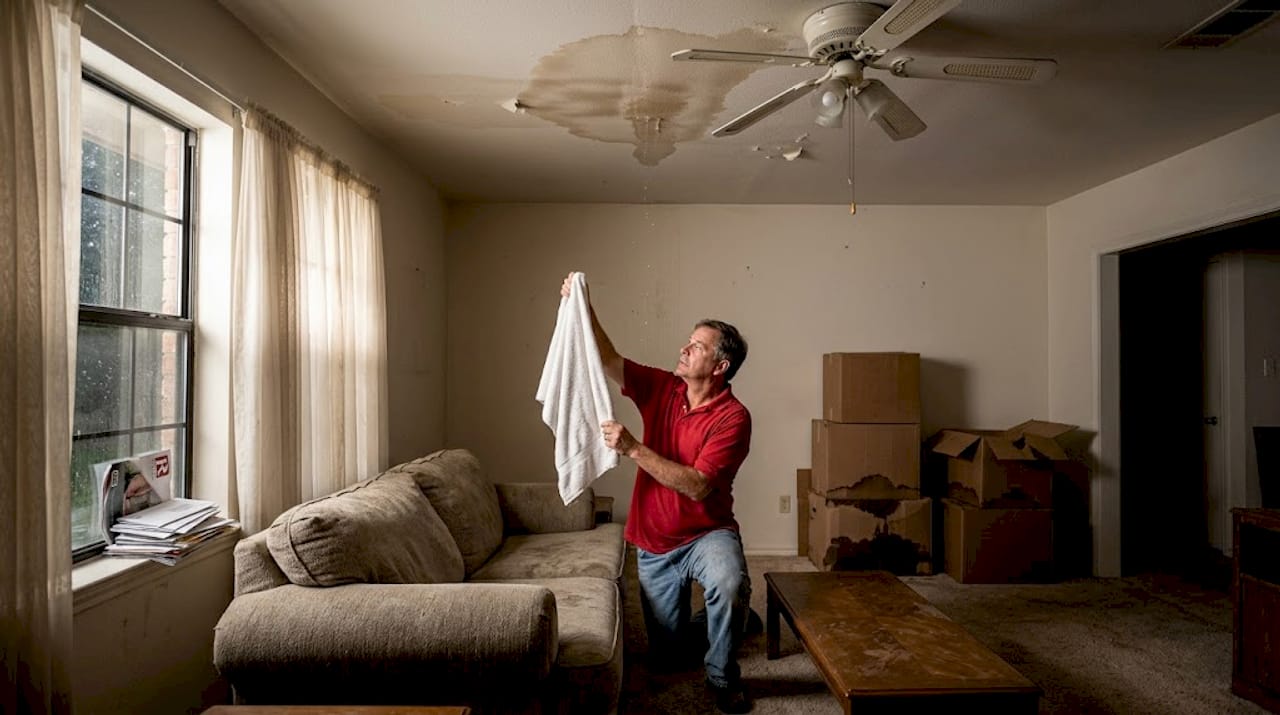
Most Texas homeowners discover the true cost of roof neglect the hard way: standing in their living room watching water drip through the ceiling after a spring storm. The gap between what routine maintenance costs and what emergency repairs demand is staggering. Every $1 spent on preventative care saves roughly $4 in reactive costs, yet most homeowners across El Campo, Houston, and the surrounding region wait until visible damage forces their hand. This article walks you through what preventative roof care looks like in practice, what it actually costs compared to emergencies, and exactly when to stop repairing and start replacing.
Table of Contents
- What is preventative roof care and why does it matter?
- Cost comparison: Preventative care vs. emergency repairs
- How often to inspect your roof in Texas (and why industry standards matter)
- When preventative care isn’t enough: Roof age, end-of-life and replacement
- What most Texas homeowners get wrong about roof care
- Texas roof experts can help you plan ahead
- Frequently asked questions
Key Takeaways
| Point | Details |
|---|---|
| Prevention saves money | Spending a little each year on maintenance can avoid huge emergency repair bills down the road. |
| Schedule regular inspections | Inspections every six months and post-storms increase roof life and protect warranties. |
| Know when to replace | If your roof is nearing the end of its lifespan, investing in replacement is wiser than more repairs. |
| Document your maintenance | Keeping inspection records can help with insurance claims and peace of mind. |
What is preventative roof care and why does it matter?
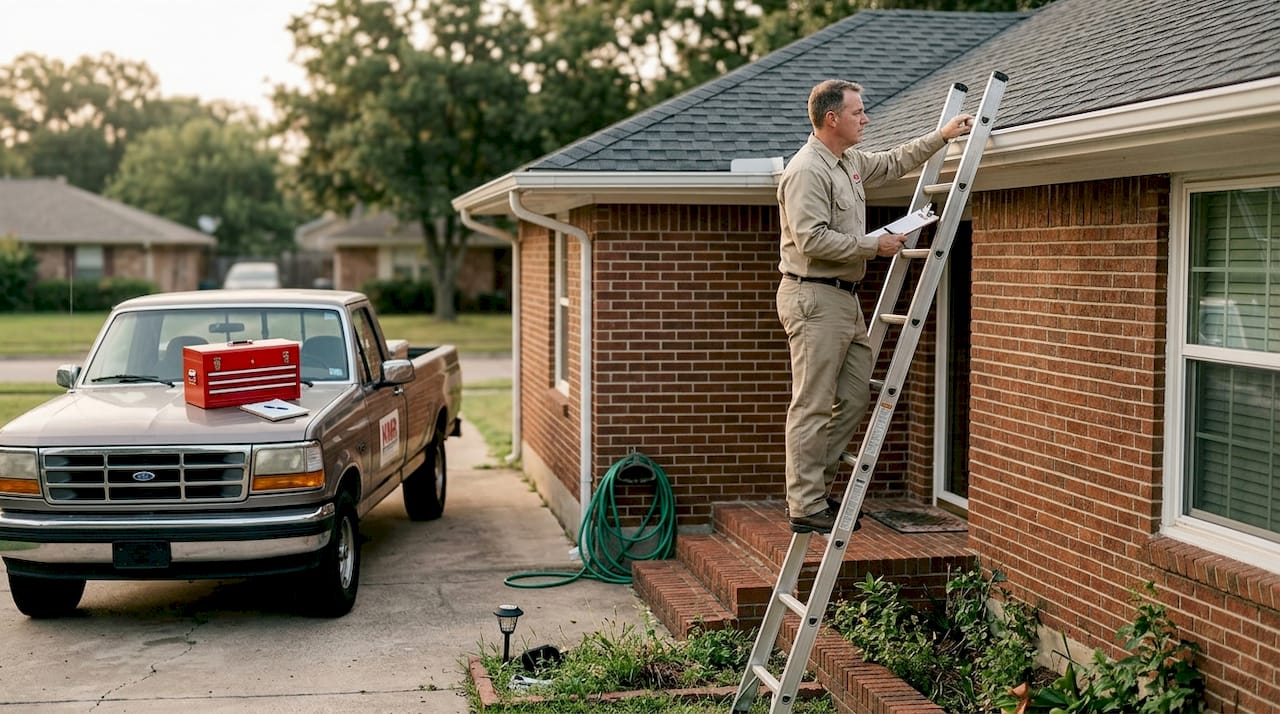
Preventative roof care is exactly what it sounds like: a planned, routine approach to catching and fixing small problems before they grow into expensive disasters. It includes scheduled inspections, cleaning gutters and drains, resealing flashings, replacing individual damaged shingles, and clearing debris that traps moisture. The goal is to address issues when they are still inexpensive, not after they have compromised your attic, insulation, or interior walls.
The contrast with reactive care is stark. Reactive care means you wait for water stains on your ceiling, a collapsed section of decking, or a visible hole after a storm before you call anyone. By that point, you are not just paying for roofing materials. You may be paying for mold remediation, drywall replacement, ruined insulation, and damaged furniture.
Texas makes this urgency even greater. The state experiences hail storms, high winds, intense summer heat, and hurricane-season rains, often within the same calendar year. A roof in Houston faces different stress than one in Minnesota. The sun alone accelerates shingle degradation, and roof maintenance for Texas homeowners requires a different frequency and focus than the national average.
Key benefits of consistent preventative care include:
- Leak prevention before water reaches structural components
- Warranty compliance since many manufacturer warranties require documented maintenance
- Early detection of hidden structural weaknesses like soft decking or corroded flashings
- Lower long-term costs through small, predictable annual expenses instead of sudden large bills
- Maintained home value because a well-kept roof protects your property’s resale price
These roof maintenance tips are especially important if your home is in a neighborhood that experienced recent storm activity, which in Texas means nearly everyone.
Pro Tip: Many homeowners assume their insurance will cover roof damage no matter what. In reality, insurers can and do deny claims when they determine that neglect caused or worsened the damage. Document every inspection and maintenance visit in writing.
The National Roofing Contractors Association recommends seasonal inspections as the gold standard for roof longevity and cost control. That guidance exists because the data consistently shows that regular inspections find problems when they are still cheap to fix.
Cost comparison: Preventative care vs. emergency repairs
Understanding what preventative roof care includes, let’s compare what Texans actually spend when they choose to ignore versus address their roofs early.
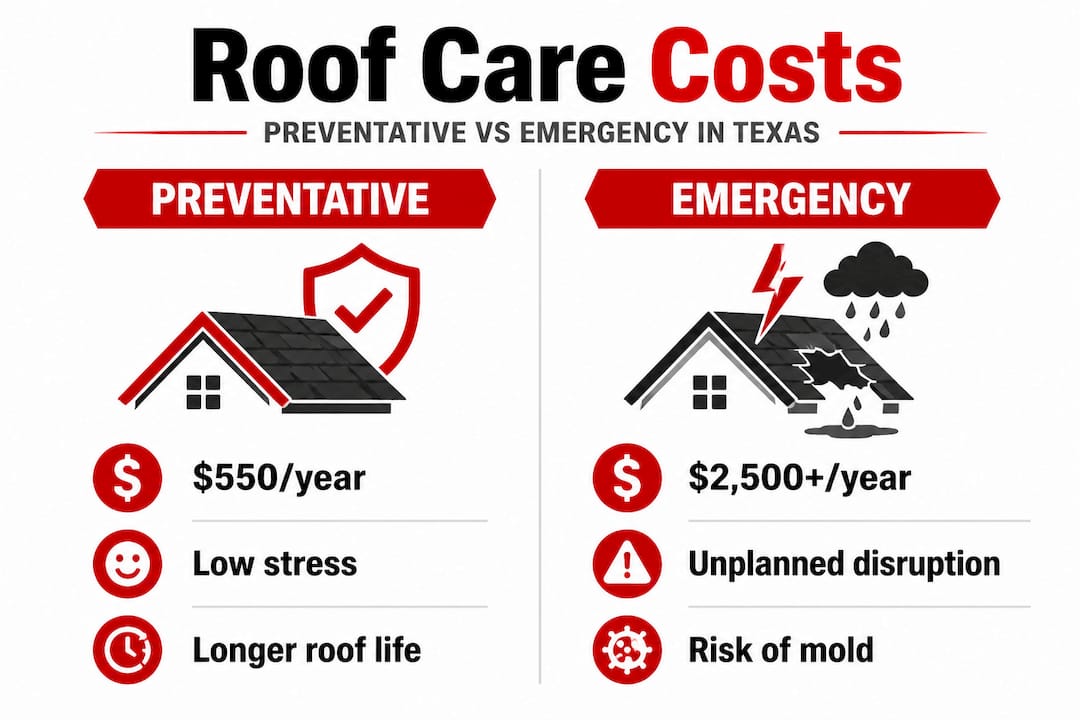
The numbers are not close. Reactive emergency roof costs run 78% higher per year than what homeowners pay for proactive maintenance. That is not a small margin. It represents the difference between a manageable annual budget item and a financial crisis.
| Scenario | Average Annual Cost |
|---|---|
| Routine preventative maintenance | $250 to $600 |
| Minor repairs caught during inspection | $150 to $500 |
| Emergency roof repair after leak | $1,500 to $5,000 |
| Full emergency repair with interior damage | $5,000 to $15,000+ |
| Mold remediation added on top | $2,000 to $7,000 |
The numbers in that table reveal something important. A homeowner who spends $500 per year on inspections and small fixes over ten years spends roughly $5,000. A homeowner who skips all maintenance and faces one major emergency with collateral damage can spend that same amount in a single week, sometimes far more.
“Most roof emergencies are preventable. When insurers see signs of prolonged neglect, they often deny the claim entirely, leaving you to cover the full cost out of pocket.”
Delaying roof maintenance can turn a minor leak into a $4,000 to $15,000 emergency once you factor in mold growth, damaged insulation, and ruined interior finishes. A leak that starts as a small opening around a flashing joint does not stay small. Water finds paths through your attic, soaks into wood framing, and creates the warm, moist conditions that mold thrives in. By the time you see a ceiling stain, the damage behind the wall can already be extensive.
The importance of roof inspection goes beyond just the roof surface. A good inspector checks attic ventilation, looks for signs of moisture intrusion in the decking, examines every flashing point around chimneys, vents, and skylights, and checks drainage paths. That thorough process is what makes inspections worth every dollar.
There is also a peace-of-mind factor worth naming. Homeowners who maintain their roofs predictably know what they are spending each year. They are not lying awake during a thunderstorm wondering if this is the night their ceiling gives out.
How often to inspect your roof in Texas (and why industry standards matter)
Now that you know the cost advantages, let’s cover how often you should actually inspect your roof. A clear schedule keeps your insurance valid, your warranty intact, and your repair bills low.
NRCA standards and most Texas roof warranties recommend or require at minimum biannual inspections, meaning twice per year. For Texas homeowners, the ideal schedule looks like this:
| Time of Year | Inspection Type | Reason |
|---|---|---|
| Spring (March to April) | Professional inspection | Assess winter damage, prepare for storm season |
| After major storms | Professional or DIY visual | Catch hail, wind, or debris damage immediately |
| Fall (October to November) | Professional inspection | Check for summer heat damage, prepare for winter |
| Any time after hail | Professional inspection | Hail damage is often invisible from the ground |
A professional inspection twice per year costs less than most people expect. Many roofing companies offer inspection services for under $200, and some provide them free when you have an established relationship with them. The flat roof inspection guide covers specifics for commercial-style and flat roofing systems common in Texas, which have their own failure points compared to sloped shingle roofs.
For homeowners who want to do a basic visual check between professional visits, here is a practical sequence to follow:
- Check from the ground with binoculars. Look for missing, curling, or discolored shingles. Curling edges indicate the shingle is near the end of its life.
- Inspect gutters and downspouts. Excessive granule buildup in gutters signals that shingles are shedding their protective coating, a sign of aging or storm impact.
- Look at flashings from the ground or from inside the attic. Gaps or rust around metal flashings at joints and edges are early warning signs of leaks.
- Check the attic interior. Daylight visible through the decking, staining on the rafters, or damp insulation all indicate active water intrusion.
- Inspect soffits and fascia boards. Soft, discolored, or deteriorating wood at the roofline often means water is entering at the edge.
Pro Tip: If your roof is more than 10 years old or your area just experienced a hail event, skip the DIY check and go straight to a professional. Many hail impacts are invisible to the untrained eye but create micro-fractures that accelerate shingle failure over the next one to two years.
Staying on a consistent inspection schedule also matters for warranty claims. Most shingle manufacturers require documented maintenance to honor their material warranties. If you ever need to make a warranty claim, missing inspection records can be just as damaging as missing receipts.
When preventative care isn’t enough: Roof age, end-of-life and replacement
While prevention extends roof life dramatically, there comes a time when investing further in repairs is not the smart financial move. Knowing when to stop patching and start replacing is just as important as knowing how to maintain.
If your roof is more than 80% through its lifespan, you are likely past the point where ongoing maintenance delivers a positive return. A standard asphalt shingle roof lasts 20 to 25 years. Once you are at year 17 or 18, spending $2,000 on repairs to extend a roof that has two or three good years left is rarely the right call.
Signs that replacement makes more sense than continued repair include:
- Multiple active leaks in different areas of the roof, not just one isolated spot
- Widespread granule loss across large sections of the shingle surface
- Soft or spongy decking beneath the shingles, indicating rot in the structural layer
- Repeated repairs to the same area within a short period, suggesting the underlying material is failing
- Roof age over 20 years for asphalt shingles or over 40 years for metal roofing that has not been maintained
- Significant storm damage affecting more than 30% of the total roof area
- Rising energy bills that coincide with declining roof condition, often caused by compromised attic insulation from moisture intrusion
The difficult part for many homeowners is emotional: they have invested money in repairs and feel reluctant to “start over” with a replacement. But roofing is not a sunk cost situation. Every year you delay a necessary replacement, you are adding risk of interior damage, mold, and structural compromise that will make the eventual replacement far more expensive.
Consult a roofing expert you trust before making this call. A qualified roofer can assess the overall condition and give you an honest recommendation based on what they see, not just what you hope to hear.
What most Texas homeowners get wrong about roof care
Here is the uncomfortable truth we have seen play out repeatedly: most homeowners think they will notice a roof problem before it becomes serious. They believe the ceiling will stain, something will drip, or a shingle will visibly fall off. They trust their own eyes.
But roofs fail silently, especially in Texas. A small separation at a flashing joint allows moisture to enter your attic every time it rains. That moisture accumulates over weeks and months. Wood framing begins to soften. Mold starts growing. Insulation becomes saturated and loses its effectiveness. None of this is visible from your living room. You might go six months or even a year with active water intrusion before a single interior stain appears.
We have seen this scenario lead to mold remediation bills that cost more than the roof itself. A quiet drip around an improperly sealed vent turned into a $14,000 project involving attic mold, ruined insulation, and partial ceiling replacement. The original flashing repair would have cost under $300 if caught during a routine inspection.
The harder truth is that most Texans act after storms because storms are visible and dramatic. But the damage from a gradual seal failure or a slow flashing leak is just as real, and often more expensive, because it compounds over time without anyone taking action.
Weatherproofing your roof before storm season is part of the answer, but it only works if you commit to the full preventative cycle: inspect, document, repair, repeat. What you do not see costs most. A professional inspector spots tomorrow’s $10,000 repair today, for a fraction of the price.
Pro Tip: Keep a simple folder or digital record of every inspection, repair, and maintenance visit for your roof. This documentation protects you in three ways: insurance disputes, warranty claims, and future home sale disclosures.
Texas roof experts can help you plan ahead
Ready to move from learning to action? Mister ReRoof works with homeowners across Texas who are ready to protect their investment before a crisis forces their hand.

Whether you need a full evaluation to assess where your current roof stands or you already know it is time for a replacement, our team delivers honest assessments and quality workmanship across the region. If your roof is approaching end-of-life, we offer metal roof replacement in Victoria and shingle roof replacement in El Campo built to handle Texas weather for decades. Contact Mister ReRoof today to schedule your free roof evaluation and get a clear plan for protecting your home and your budget long term.
Frequently asked questions
How often should I schedule roof inspections in Texas?
Most experts recommend inspecting your roof at least every 6 months and after any major storm event. Texas’s storm frequency makes this schedule especially important for protecting your warranty and catching damage early.
Does preventative roof care really save money?
Yes. Proactive maintenance can reduce your annual roofing costs by up to 78% compared to emergency repair spending. Every dollar spent on prevention returns roughly four dollars in avoided repairs.
Is preventative care still worth it on an old roof?
If your roof has already passed 80% of its lifespan, replacement is likely a smarter financial decision than continued maintenance investment. A professional inspection can confirm which path makes the most sense for your specific situation.
Will insurance deny claims if I neglect roof maintenance?
Insurance companies frequently reject claims when signs of neglect are present, so keeping documented inspection records is your best defense against a denied claim. Regular, documented maintenance shows you took reasonable care of the property.