TL;DR:
- Texas homeowners must independently verify contractor credentials and insurance due to lack of licensing requirements.
- Follow detailed steps: research, compare bids, ask questions, and sign clear, written contracts.
- Post-installation inspections and proper documentation are essential for long-term roof security and warranty enforcement.
A Texas storm can expose your roof’s weaknesses in a matter of minutes. Whether it’s hail punching through shingles in El Campo or hurricane-force winds peeling back flashing in Houston, the damage is stressful enough without the added pressure of finding a trustworthy contractor fast. The wrong hire can drain your savings, void your insurance claim, and leave your home exposed for months. This guide walks you through every step of the hiring process so you can protect your property with confidence and avoid the costly mistakes that trip up too many Texas homeowners.
Table of Contents
- What to know before hiring a roofing contractor
- Key steps to hiring the right roofing contractor
- Common pitfalls and how to avoid them
- Verifying your new roof and final steps
- The truth about roofing contractor quality in Texas
- Next steps for a stress-free roof replacement
- Frequently asked questions
Key Takeaways
| Point | Details |
|---|---|
| Licenses not required | Texas does not require state licensing for roofers, making vetting essential. |
| Get multiple estimates | Compare offers from several contractors to find the best fit and avoid scams. |
| Insist on documentation | Always request proof of insurance, written agreements, and detailed bids. |
| Final verification | Inspect completed work and only pay when every detail and warranty is in place. |
What to know before hiring a roofing contractor
Once you recognize the risks, make sure you’re informed about what truly matters before you call any roofing contractor. The Texas roofing market is wide open, and that creates both opportunity and real danger for homeowners.
Here’s something most people don’t realize: Texas does not require roofing contractors to hold a state license. That means virtually anyone can show up at your door with a truck and a ladder and legally call themselves a roofer. This is not a minor detail. It means the burden of vetting falls entirely on you, the homeowner. Knowing this upfront changes how seriously you take the credential-checking process.
So what should you look for? The Roofing Contractors Association of Texas (RCAT) offers a voluntary licensing program that signals a contractor’s genuine commitment to professional standards. It’s not required, but contractors who pursue it are demonstrating that they care about doing the job right. Think of it like a restaurant choosing to get a health inspection even when the city doesn’t require one. It tells you something important about their mindset.
Beyond voluntary licensing, here are the credentials you should confirm before signing anything:
- Proof of general liability insurance covering property damage during the project
- Workers’ compensation insurance so you’re not liable if a worker is injured on your roof
- Written references from recent local jobs, ideally in El Campo or Houston
- Manufacturer warranties on materials, separate from the contractor’s labor warranty
- Documented local experience with Texas-specific weather conditions like hail, high winds, and extreme heat
Pro Tip: Local contractors who have worked in your city for several years understand municipal building codes, permit requirements, and the specific storm patterns that affect your neighborhood. A roofer from out of state chasing storm work may not know that Houston requires specific wind-resistant shingle ratings or that El Campo has unique drainage considerations.
One rule that should never be broken: get everything in writing before any work begins. A verbal agreement is worth nothing if a dispute arises. A solid written contract protects both parties and gives you legal recourse if the work falls short. For more on choosing a reliable roofing contractor in Texas, review what specific contract language to look for before you sign.
| Credential | Why it matters |
|---|---|
| General liability insurance | Covers accidental property damage during installation |
| Workers’ comp insurance | Protects you from injury liability on your property |
| RCAT voluntary license | Signals professionalism and commitment to standards |
| Local references | Confirms real track record in your area |
| Written warranty | Guarantees workmanship and material coverage |
Key steps to hiring the right roofing contractor
Now that you know what qualifications matter, here’s exactly how to find and select the best professional for your roof. The process doesn’t have to feel overwhelming if you follow a clear sequence.
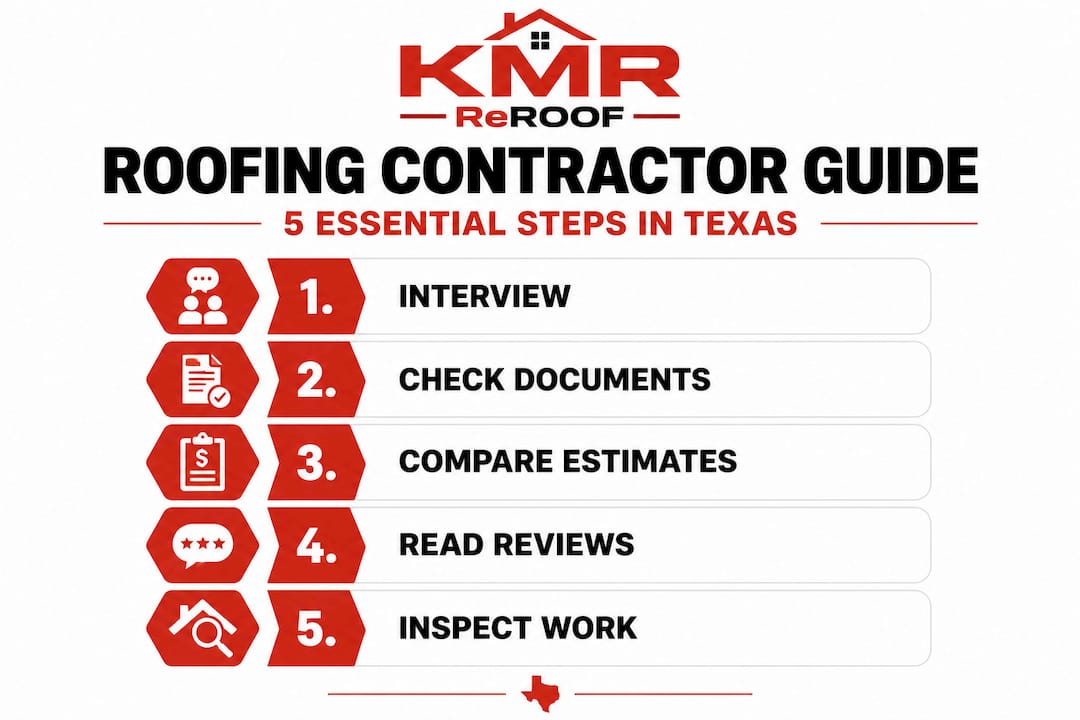
- Research local contractors. Start with online searches, neighborhood Facebook groups, and recommendations from friends who’ve had recent roof work done. Focus on contractors based in El Campo or Houston, not out-of-town crews.
- Build a shortlist of three to five candidates. Don’t stop at one or two. Having multiple options gives you leverage and a basis for comparison.
- Verify credentials for each candidate. Confirm insurance certificates, check for RCAT membership, and look up reviews on Google, the Better Business Bureau, and Yelp.
- Request written estimates from at least three contractors. Each estimate should itemize labor, materials, permits, and cleanup. Vague estimates are a red flag.
- Ask the right questions. Review a solid list of questions to ask contractors before your interviews so nothing important gets overlooked.
- Compare bids carefully. The lowest bid is rarely the best deal. Look at what’s included and what’s missing.
- Sign a detailed written contract. This should include start and completion dates, payment schedule, material specifications, and warranty terms.
- Use a roof replacement checklist to make sure nothing slips through the cracks before work begins.
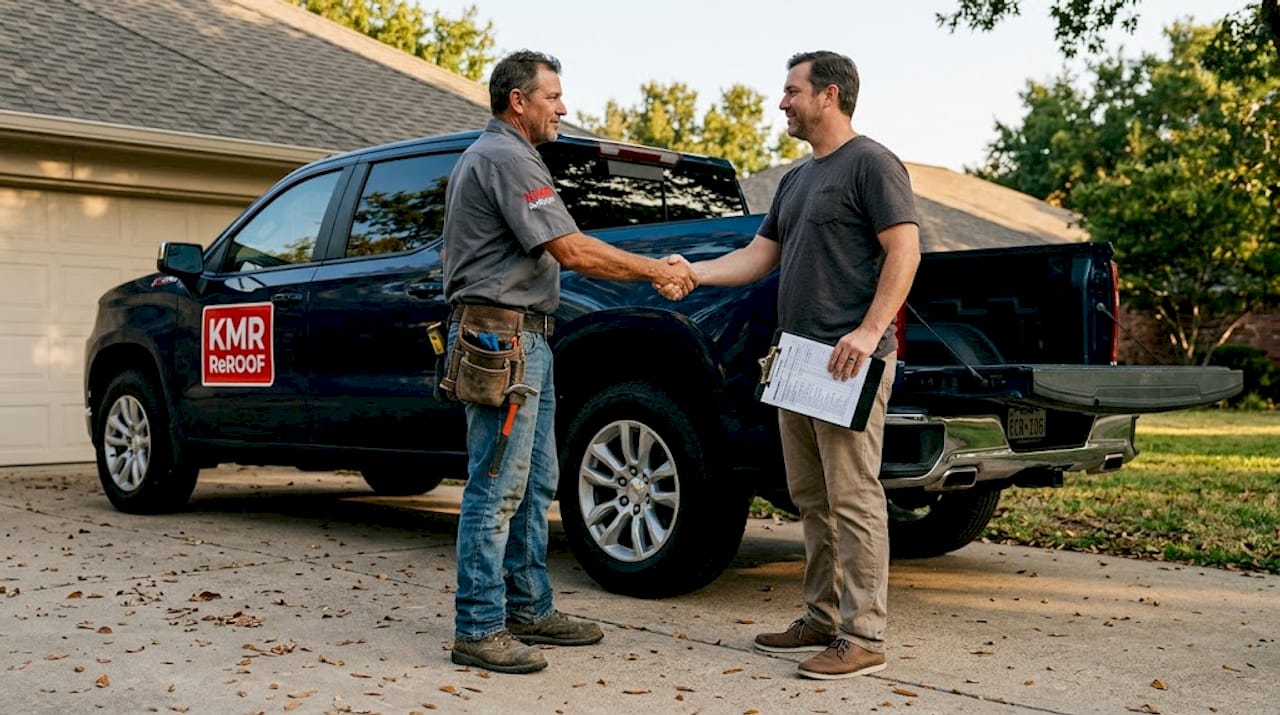
The Texas Department of Insurance recommends that homeowners interview multiple contractors and compare their credentials, experience, and communication before making a final decision. This isn’t just good advice. It’s protection.
| Estimate type | Pros | Cons |
|---|---|---|
| In-person estimate | Contractor sees actual damage; more accurate pricing | Requires scheduling; takes more time |
| Online or photo-based estimate | Fast and convenient | Less accurate; may miss hidden damage |
Pro Tip: If a contractor has a local office, visit it in person before signing anything. A physical presence in your community is a strong sign of stability. Storm chasers and fly-by-night operations rarely have a local address you can actually visit.
Watch for these red flags in bids and reviews: unusually low pricing with no explanation, pressure to sign immediately, no mention of permits, or a pattern of complaints about unfinished work. These warning signs are consistent across scam operations and should stop you cold.
Common pitfalls and how to avoid them
With your shortlist in hand, it’s crucial to sidestep common traps that can threaten your investment and peace of mind. Texas homeowners lose thousands of dollars every year to avoidable roofing mistakes.
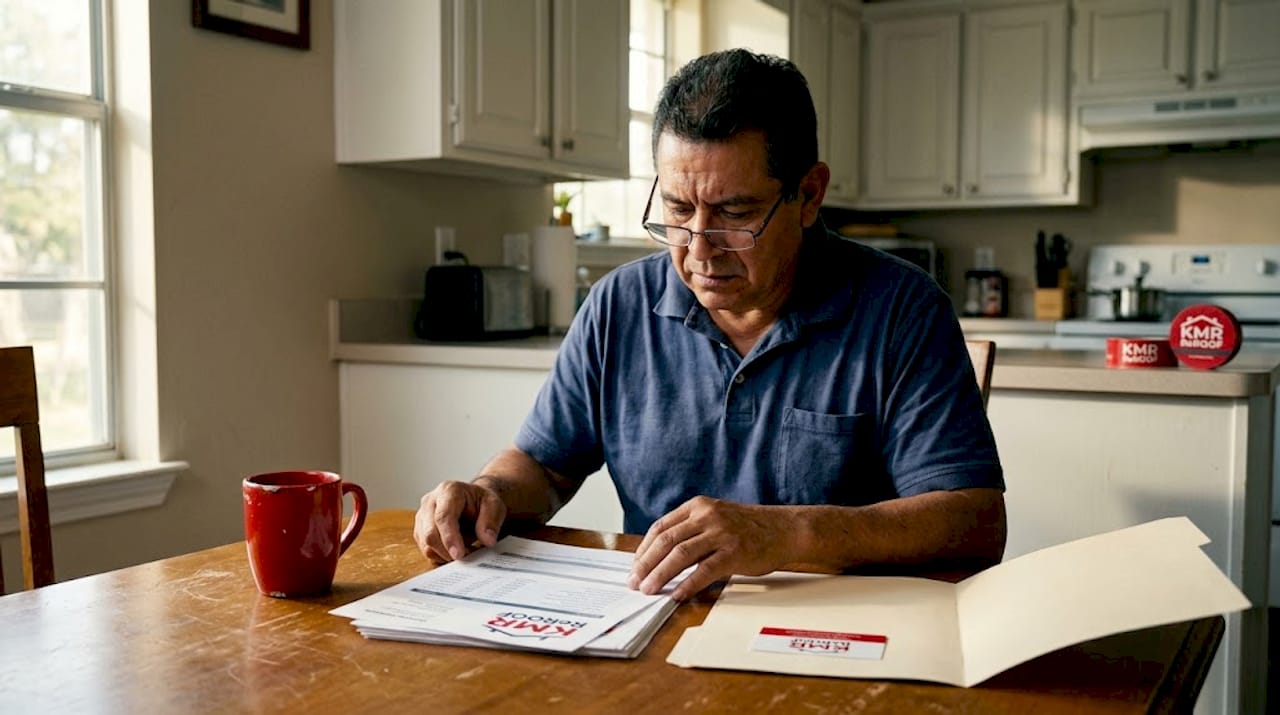
One of the most dangerous pitfalls is signing a contract you haven’t fully read. Some contractors include clauses that give them the right to collect your entire insurance payout, even if the work isn’t finished. Others include language that waives your right to dispute the quality of materials used. Read every line. If something is unclear, ask for clarification in writing before you sign.
Insurance claim traps are another serious concern. Some contractors offer to “handle everything” with your insurance company, which sounds convenient but can backfire badly. If a contractor submits a fraudulent or inflated claim on your behalf, you could be held responsible. Always stay involved in your own insurance process and know what your policy covers.
“Homeowners should never assume a contractor is qualified just because they show up with equipment and a business card. Verifying insurance and credentials before any work begins is your responsibility, not your contractor’s.”
Homeowners are responsible for vetting uninsured or inexperienced contractors. If an uninsured worker is injured on your property, you may face significant legal and financial consequences. This is not a technicality. It’s a real risk that plays out in Texas courts regularly.
Here are the most common pitfalls and how to avoid them:
- Unrealistically low bids: If one estimate is 40% cheaper than the others, something is being cut. Ask exactly what’s excluded.
- Door-to-door solicitors after storms: These crews often appear within days of a major storm. Some are legitimate, but many are not. Never hire someone who knocks on your door unsolicited without doing your own research first.
- Paying too much upfront: A deposit of 10 to 20 percent is reasonable. Paying 50 percent or more before work starts is a major warning sign.
- Skipping the permit check: Roofing permits are required in most Texas cities. If a contractor suggests skipping permits to save time or money, walk away.
- Confusing price with value: A reputable contractor with proper insurance, a solid warranty, and verifiable local references is worth paying a fair price for. Cutting corners on cost often means cutting corners on your roof.
For a deeper look at how to avoid roofing mistakes that Texas homeowners commonly make, and to review roof replacement tips specific to the Houston area, take time to research before you commit.
Verifying your new roof and final steps
After successful installation, a few last steps ensure your investment actually delivers long-term security. Many homeowners make the mistake of assuming the job is done the moment the crew packs up and leaves. It isn’t.
Follow this sequence to close out your roofing project properly:
- Walk the property with your contractor. Look at all visible areas of the new roof, including edges, flashing around chimneys and vents, and gutters. Ask questions about anything that looks off.
- Check that permits are closed. Your city’s building department should have a final inspection on record. If permits were pulled but never closed, you could face problems when selling your home.
- Collect all warranty documents. You should receive both a manufacturer’s material warranty and a separate labor warranty from your contractor. Store these with your home records.
- Review the cleanup. Nails, old shingles, and debris should be fully removed. Leftover materials left on your property are your contractor’s responsibility to haul away.
- Confirm the scope of work matches the contract. Compare the completed work against the written agreement line by line.
Industry data suggests that a significant percentage of roofing issues, including improper flashing, missed nail patterns, and inadequate ventilation, are caught during a thorough post-job inspection rather than after the first major rain. Don’t skip this step thinking everything looks fine from the ground.
Final payment should not be made until all work is complete and verified to your satisfaction. This is your most powerful leverage point. Once the check clears, your negotiating position disappears. If problems are found after final payment, you’re relying entirely on the contractor’s goodwill and your warranty’s legal enforceability.
If issues do surface after installation, document them with photos and written communication immediately. Contact your contractor in writing first. If they fail to respond or refuse to correct the problem, your warranty documentation and the written contract become the foundation of your dispute. For guidance on preparing for roof replacement, getting roofing estimates, and selecting roofing materials that hold up in Texas conditions, these resources can help you make smarter decisions from the start.
The truth about roofing contractor quality in Texas
Here’s a perspective most roofing guides won’t give you: following the checklist is necessary, but it’s not sufficient. Texas’s unregulated roofing market means that even a contractor who checks every box on paper can still deliver mediocre work. Credentials are the floor, not the ceiling.
The RCAT voluntary license is a genuine indicator of commitment to industry standards. But a license doesn’t install your roof. People do. And the best indicator of how those people will treat your project is how they’ve treated your neighbors’ projects over the past five to ten years.
This is why years of service in your specific town matter more than polished websites or aggressive advertising. A contractor who has been reroofing homes in El Campo or Houston for a decade has skin in the game. Their reputation lives or dies in the same community where you live. That accountability is more powerful than any certification.
We’ve seen homeowners get dazzled by a contractor’s marketing and overlook the fact that the company has only been operating locally for eight months. Storm-chasing crews are often well-funded and professional-looking. But they’ll be gone after the season, and your warranty will be nearly impossible to enforce.
The most overlooked factor in hiring is transparency. A great contractor will tell you when something is outside their expertise. They’ll recommend a different material if it’s a better fit for your home. They’ll explain why a repair isn’t enough and a full replacement is needed, and they’ll show you the evidence rather than just telling you. That kind of honesty is rare and worth paying for.
Pro Tip: When you find a contractor you trust, involve them in your long-term home improvement planning. A roofer who understands your home’s full picture, including your attic insulation, ventilation, and drainage, can catch problems before they become emergencies. The benefits of professional roofers go well beyond a single project when you build that kind of ongoing relationship.
Next steps for a stress-free roof replacement
You now have the knowledge to hire with confidence. The next step is connecting with a contractor who actually lives up to the standards this guide describes.
Mister ReRoof serves homeowners across El Campo and Houston with professional roof replacement services built for Texas weather. Whether you need a metal roof replacement to stand up to hail season, a shingle roof replacement after wind damage, a flat roof replacement for your commercial property, or a TPO roof replacement for long-term energy efficiency, the team at Mister ReRoof brings the local experience and workmanship quality that this guide describes. Every project starts with a free, detailed estimate so you know exactly what you’re getting before work begins. Contact Mister ReRoof today to schedule your consultation and take the first step toward a roof that’s built to last.
Frequently asked questions
Is a roofing license required for contractors in Texas?
No, Texas does not require roofing contractors to hold a state license, but the RCAT voluntary license signals a contractor’s commitment to professional quality standards.
What documents should I require before hiring a roofer?
Always request proof of general liability insurance, workers’ compensation coverage, written estimates, verifiable references, and a detailed contract. Homeowners bear full responsibility for vetting any contractor they hire.
How many roofing estimates should I get?
Get estimates from at least three reputable local contractors so you have a meaningful basis for comparing pricing, scope, and professionalism before making your decision.
When should I make the final payment on a roofing project?
Only release the final payment after all work is fully completed, inspected, and verified against your written contract. Final payment should not be made until every item in the agreement is satisfied.
How can I avoid roofing scams after storms?
Be cautious of door-to-door solicitors, always verify insurance and credentials independently, and never sign a contract that has blank sections or vague language. Homeowners are responsible for confirming a contractor’s legitimacy before any work begins.