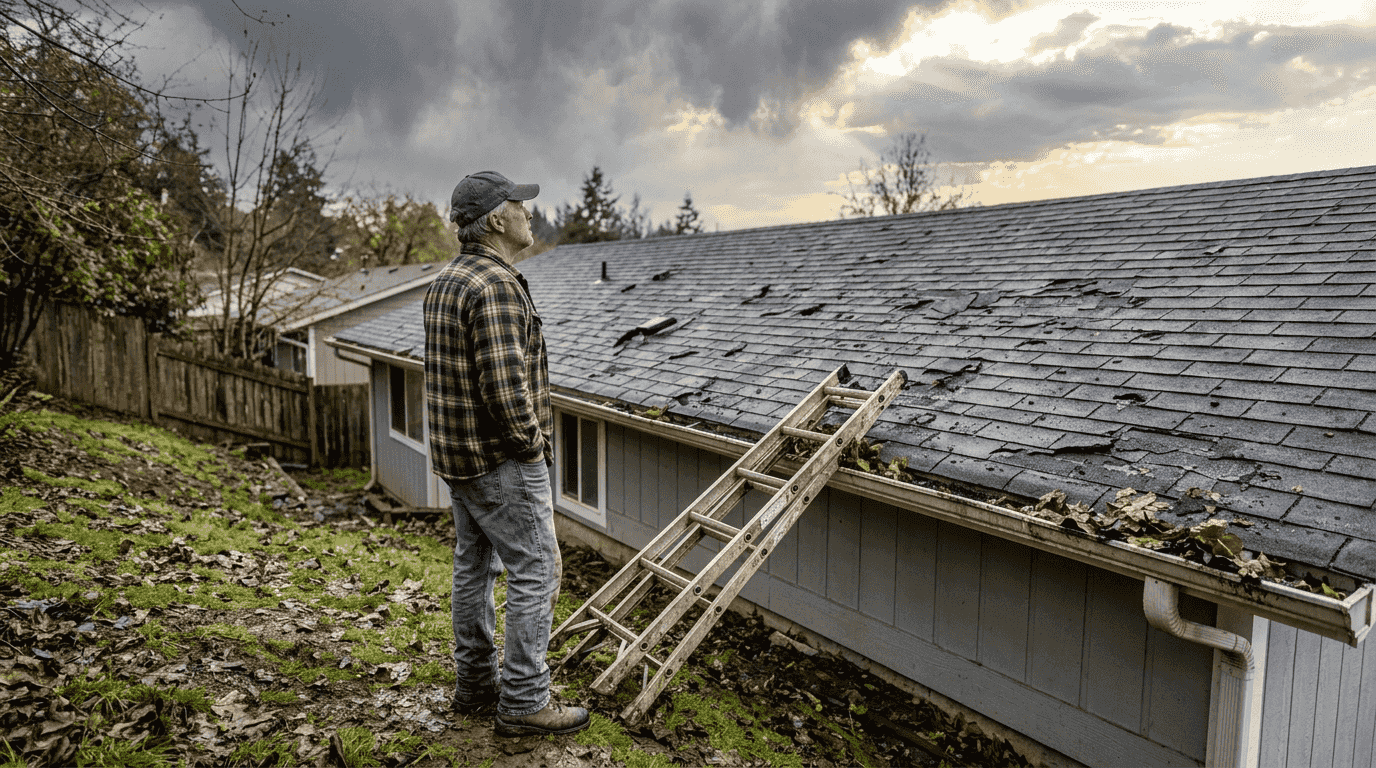
Texas homeowners often assume severe hailstorms pose the biggest threat to their roofs, but research reveals a surprising truth: frequent, smaller hailstorms cause more cumulative damage than isolated major events. Your roof faces relentless challenges from hail, wind, and extreme heat that gradually compromise its integrity. Understanding these specific threats and how they interact helps you protect your home investment through smarter material choices and proactive maintenance. This guide breaks down the real causes of roof failure in Texas, shows you how to spot warning signs early, and explains proven prevention strategies that extend your roof’s lifespan while potentially lowering your insurance costs.
Table of Contents
- How Extreme Texas Weather Leads To Roof Failure
- The Role Of Hail Damage: Cosmetic Vs. Functional Effects
- Preventing Roof Failure: Materials And Maintenance Best Practices
- When To Replace Your Roof: Signs And Options In Texas
- Explore Expert Texas Roof Replacement Services In 2026
Key takeaways
| Point | Details |
|---|---|
| Weather drives failure | Hail, wind, and heat combine to degrade roofing materials faster in Texas than most regions. |
| Minor hail adds up | Repeated small hailstorms cause more functional damage over time than single severe events. |
| Impact-resistant materials pay off | Class 4 shingles reduce insurance premiums by 15-30% while extending roof life. |
| Maintenance prevents replacement | Regular inspections and prompt repairs catch problems before they require costly full replacement. |
| Material choice matters | Metal, shingle, and flat roof options each offer distinct advantages for Texas weather conditions. |
How extreme Texas weather leads to roof failure
Texas roofs endure a punishing combination of weather threats that work together to accelerate failure. Hail, wind, and intense heat each attack different aspects of your roofing system, creating vulnerabilities that compound over time. Understanding how these forces interact helps you recognize damage patterns and make informed decisions about protection and replacement.
Hail creates immediate physical damage that sets the stage for long-term deterioration. When hailstones strike your roof, they leave dents that compromise protective coatings on metal panels and granule layers on shingles. These seemingly minor impacts trap moisture longer than undamaged surfaces, accelerating corrosion and material breakdown. The Insurance Information Institute reports that Texas leads the nation in hail damage claims with billions in annual insured losses, highlighting the severity of this threat.
What surprises most homeowners is that repeated minor hailstorms erode roofing integrity faster than isolated major events. Each small storm adds another layer of micro-damage that weakens coatings and exposes underlying materials. Over several seasons, this cumulative effect creates functional failures that require replacement even when no single storm seemed severe enough to cause serious harm. This pattern makes Texas roofing durability a unique challenge compared to regions with less frequent hail activity.
High winds contribute their own destructive force by lifting shingles, tearing flashing, and driving rain under roof edges. Wind damage often goes unnoticed until leaks develop, because the initial lifting may not remove materials completely. Instead, it loosens adhesive bonds and creates pathways for water infiltration. Combined with hail impacts, wind damage accelerates the timeline to replacement by exposing vulnerable underlayment layers to UV radiation and moisture.
Intense Texas heat ages roofing materials through constant thermal cycling and UV exposure. Temperatures exceeding 100 degrees cause asphalt shingles to become brittle and metal panels to expand and contract repeatedly. This thermal stress cracks sealants, warps panels, and degrades adhesives that hold your roofing system together. The combination of heat with hail and wind creates a triple threat that reduces typical roof lifespans by years compared to milder climates.
Pro Tip: Schedule professional inspections within 72 hours after any hailstorm, even if damage isn’t visible from the ground. Early detection of coating damage prevents corrosion from taking hold and extends your roof’s functional life.
Protecting your roof requires understanding these interconnected threats and choosing materials designed specifically for Texas conditions. Houston storm-proof roofing strategies focus on impact resistance, thermal stability, and wind uplift ratings that address all three weather challenges simultaneously.
The role of hail damage: cosmetic vs. functional effects
Not all hail damage threatens your roof’s performance equally. Distinguishing between cosmetic and functional damage determines whether you need immediate replacement or can safely monitor the situation. This distinction matters because insurance claims, repair costs, and replacement timing all hinge on understanding which type of damage your roof has sustained.
Cosmetic damage affects only your roof’s appearance without compromising its ability to shed water or protect your home. Small dents in metal panels or minor granule loss on shingles fall into this category when they don’t penetrate protective coatings or expose underlying materials. These imperfections may bother you visually, but they don’t reduce your roof’s expected service life or create leak risks. Many homeowners waste money replacing roofs with purely cosmetic damage that could have lasted years longer.
Functional damage impairs your roof’s water shedding capability and accelerates material deterioration. When hailstones create dents deep enough to crack protective coatings, they expose base metal or substrate to moisture and oxygen. Research shows that hail-caused dents lead to premature corrosion by compromising the galvanized layer that prevents rust. This type of damage shortens your roof’s lifespan significantly and requires prompt attention to prevent leaks and structural issues.
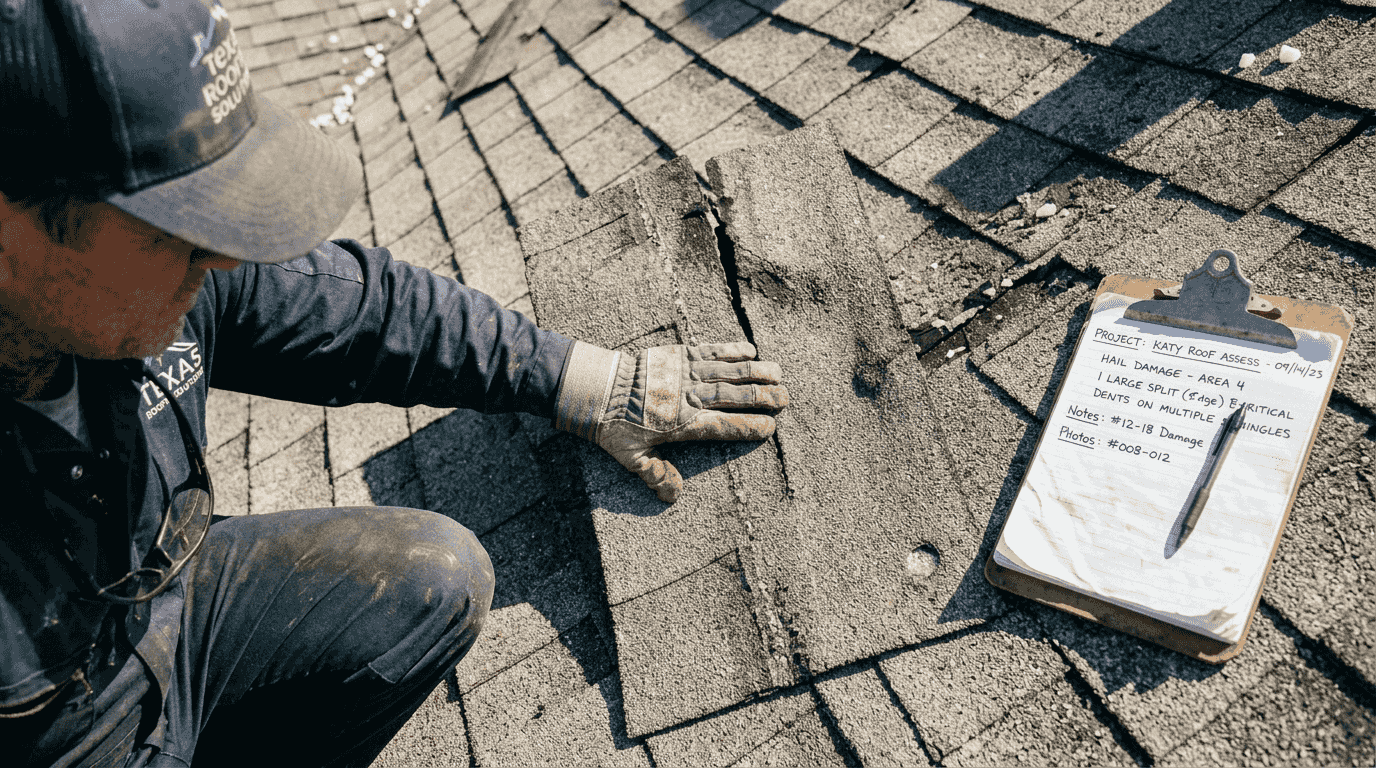
The critical difference lies in how dents affect water behavior on your roof surface. Functional damage creates depressions where water pools longer than on undamaged areas, giving moisture more time to penetrate compromised coatings. This extended contact accelerates coating deterioration and corrosion of underlying metal. Studies confirm that functional damage reduces roof service life while cosmetic damage does not, making accurate assessment crucial for replacement decisions.
| Damage Type | Water Shedding | Coating Integrity | Service Life Impact | Replacement Need |
|---|---|---|---|---|
| Cosmetic | Normal | Intact | None | Monitor only |
| Functional | Impaired | Compromised | Reduced 30-50% | Required |
Repeated minor dents create cumulative functional damage that exceeds the impact of visible severe damage. Each small hailstorm adds micro-cracks to protective coatings that may not show up in casual inspections. Over time, these accumulated weak points allow moisture penetration across large roof areas, creating widespread corrosion risk. This hidden damage pattern explains why roofs sometimes fail unexpectedly after what seemed like minor storm activity.
Pro Tip: Use a straight edge and flashlight to check dent depth during inspections. Dents deeper than the coating thickness indicate functional damage requiring professional assessment, even if they look minor.
Understanding this distinction helps you make informed decisions about roof maintenance importance in Texas. Regular professional inspections catch functional damage early, before widespread corrosion develops. Your Texas roof maintenance checklist should include detailed hail damage assessment after every storm, focusing on coating integrity rather than just visible dents.
Preventing roof failure: materials and maintenance best practices
Preventing roof failure in Texas requires a two-pronged approach: selecting materials engineered for extreme weather and maintaining your roof proactively. Smart material choices provide the foundation for longevity, while consistent maintenance catches problems before they escalate into expensive replacements.
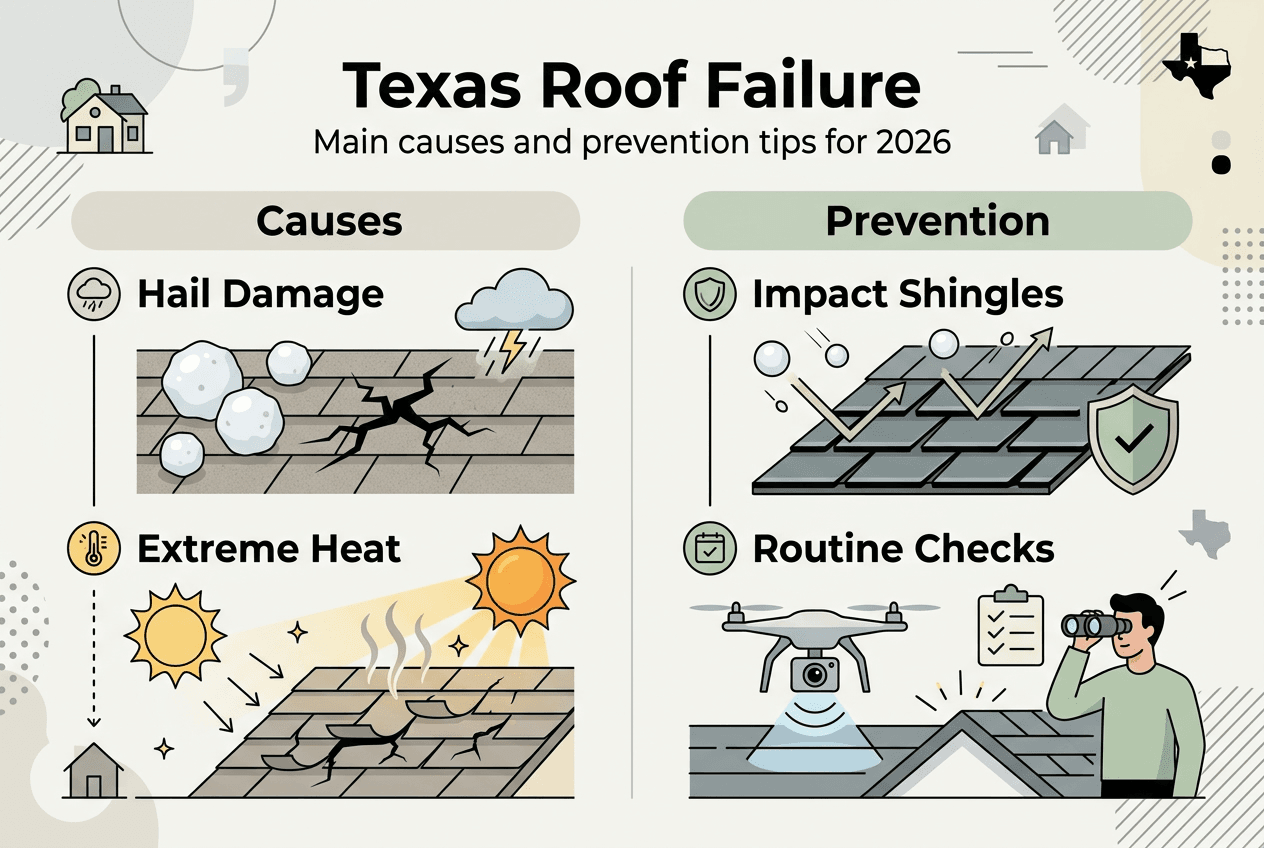
Choosing Class 4 impact-resistant shingles delivers immediate protection and financial benefits. These specially designed shingles withstand hail impacts that would damage standard materials, reducing functional damage from storms. Research shows that Class 4 shingles lower insurance premiums by 15-30%, creating ongoing savings that offset their higher upfront cost. The premium reduction continues for the life of your roof, making impact-resistant materials a smart investment for Texas homeowners facing frequent hail.
Material selection extends beyond shingles to include weather-appropriate options for your specific situation. Metal roofs offer superior hail resistance and heat reflection, making them ideal for areas with intense sun and frequent storms. Flat roof membranes require UV-resistant formulations that withstand Texas heat without cracking or degrading. Matching your roofing material to local weather patterns prevents premature failure and reduces lifetime costs.
Routine inspections form the cornerstone of effective roof maintenance. Schedule professional assessments at least twice yearly and within 72 hours after any significant storm. These inspections catch minor damage before it progresses to functional failure, extending your roof’s service life substantially. Professional inspectors identify subtle coating damage, loose fasteners, and early corrosion that homeowners typically miss during casual visual checks.
Pro Tip: Document your roof’s condition with dated photos after each inspection. This visual record helps you track damage progression and provides evidence for insurance claims when storm damage occurs.
Maintenance tasks that prevent failure include:
- Clearing gutters and downspouts monthly to prevent water backup and ice damming
- Removing debris like branches and leaves that trap moisture against roofing materials
- Repairing small leaks immediately before water damage spreads to decking and framing
- Resealing flashing around chimneys, vents, and skylights where gaps develop over time
- Maintaining protective coatings on metal roofs to prevent corrosion in hail-damaged areas
These simple tasks cost little but prevent expensive failures by addressing vulnerabilities before they compromise your roof’s integrity. Upgrading your roofing system with better materials during scheduled maintenance provides additional protection against Texas weather extremes.
Timing maintenance around weather patterns maximizes effectiveness. Inspect and repair before hurricane season to ensure your roof can handle high winds and heavy rain. Check for winter damage in early spring before summer heat accelerates any coating deterioration. This proactive schedule prevents small issues from becoming major failures during peak storm seasons.
Combining durable roofing choices with disciplined maintenance creates a comprehensive defense against roof failure. Your roof maintenance checklist should include both immediate post-storm inspections and seasonal preventive tasks that address the full range of Texas weather threats.
When to replace your roof: signs and options in Texas
Recognizing when your roof needs replacement rather than repair saves you from water damage, mold growth, and structural problems that multiply repair costs. Several clear indicators signal that replacement time has arrived, and understanding your material options helps you choose the best solution for Texas weather and your budget.
Key signs that replacement is necessary include persistent leaks despite repairs, extensive hail or wind damage covering more than 30% of your roof area, and aging materials approaching or exceeding their expected lifespan. Curling or missing shingles, visible sagging in roof decking, and granule loss exposing asphalt substrate all indicate that your roof can no longer protect your home effectively. Interior water stains, mold growth in attics, and daylight visible through roof boards confirm that replacement cannot wait.
Evaluating your roof condition and finalizing replacement timing follows these steps:
- Schedule a professional inspection to assess damage extent and remaining service life accurately
- Document all visible damage with photos and detailed notes for insurance claims and contractor estimates
- Obtain multiple quotes from licensed contractors experienced with Texas weather conditions
- Review material options that address your specific weather threats and budget constraints
- Check insurance coverage and available discounts for impact-resistant materials before finalizing choices
- Schedule replacement during mild weather windows to ensure proper installation and curing
Material selection significantly impacts your roof’s performance and longevity in Texas conditions. This comparison helps you evaluate options based on your priorities:
| Material | Lifespan (Years) | Cost per Sq Ft | Hail Resistance | Heat Performance | Maintenance Level |
|---|---|---|---|---|---|
| Asphalt Shingles | 15-25 | $3-$5 | Moderate (Class 4 available) | Fair | Moderate |
| Metal Panels | 40-70 | $7-$12 | Excellent | Excellent | Low |
| TPO Membrane | 20-30 | $5-$8 | Good | Very Good | Moderate |
| Modified Bitumen | 15-20 | $4-$7 | Fair | Good | High |
Metal roofs deliver superior hail resistance and longevity, making them ideal for areas with frequent severe weather. Their reflective surfaces reduce cooling costs by deflecting heat rather than absorbing it. The higher upfront investment pays off through decades of service with minimal maintenance. Metal roof replacement suits homeowners prioritizing long-term value and maximum weather protection.
Asphalt shingles remain popular for their lower initial cost and straightforward installation. Class 4 impact-resistant versions provide adequate hail protection while maintaining affordability. These roofs require more frequent maintenance and replacement than metal options but work well for homeowners planning shorter ownership periods. Shingle roof replacement offers proven performance when properly maintained.
Flat roof systems require materials specifically engineered for Texas heat and UV exposure. TPO membranes offer excellent heat reflection and good puncture resistance, while modified bitumen provides superior waterproofing in areas prone to ponding water. These systems demand regular inspections to catch membrane damage before leaks develop.
Local weather patterns, insurance requirements, and budget all influence your optimal material choice. Consult experienced contractors familiar with regional building codes and weather challenges. Proper installation matters as much as material quality, so choose licensed professionals with proven track records in Texas roofing.
Explore expert Texas roof replacement services in 2026
Protecting your Texas home from weather-related roof failure requires professional expertise and quality materials designed for extreme conditions. Mister ReRoof specializes in roof replacement solutions tailored to the unique challenges Texas homeowners face, from relentless hail to intense summer heat. Their experienced team understands how local weather patterns affect different roofing materials and helps you select the best option for your specific situation and budget.

Whether you need shingle roof replacement in Sugar Land, metal roof replacement in Victoria, or flat roof replacement in El Campo, Mister ReRoof delivers installations built to withstand Texas weather for decades. Their commitment to quality workmanship ensures proper installation that maximizes your roof’s lifespan and performance. Contact Mister ReRoof today for a free consultation and discover how professional roof replacement protects your home investment while potentially lowering your insurance costs.
FAQ
How long does a typical roof last in Texas?
Most roofs in Texas last 15-25 years depending on materials and maintenance quality. Extreme weather like frequent hail and intense heat shortens lifespan compared to milder climates. Impact-resistant materials and proactive maintenance extend service life significantly.
Can hail damage be repaired without replacing the whole roof?
Minor cosmetic damage can often be monitored without immediate action if protective coatings remain intact. Functional damage that compromises water shedding or exposes base materials typically requires replacement or major repair to prevent leaks and corrosion.
Do impact-resistant shingles really lower insurance premiums in Texas?
Yes, Class 4 shingles reduce premiums by 15-30% in Texas due to their superior hail resistance. Savings vary by insurer and location but continue for your roof’s entire lifespan. The premium reduction often offsets the higher material cost within several years.
What maintenance should Texas homeowners prioritize to extend roof life?
Schedule professional inspections after every significant storm to catch damage early before corrosion develops. Clean gutters monthly, remove debris promptly, and repair small leaks immediately. Maintain protective coatings on metal roofs and check your Texas roof maintenance checklist seasonally for comprehensive care.