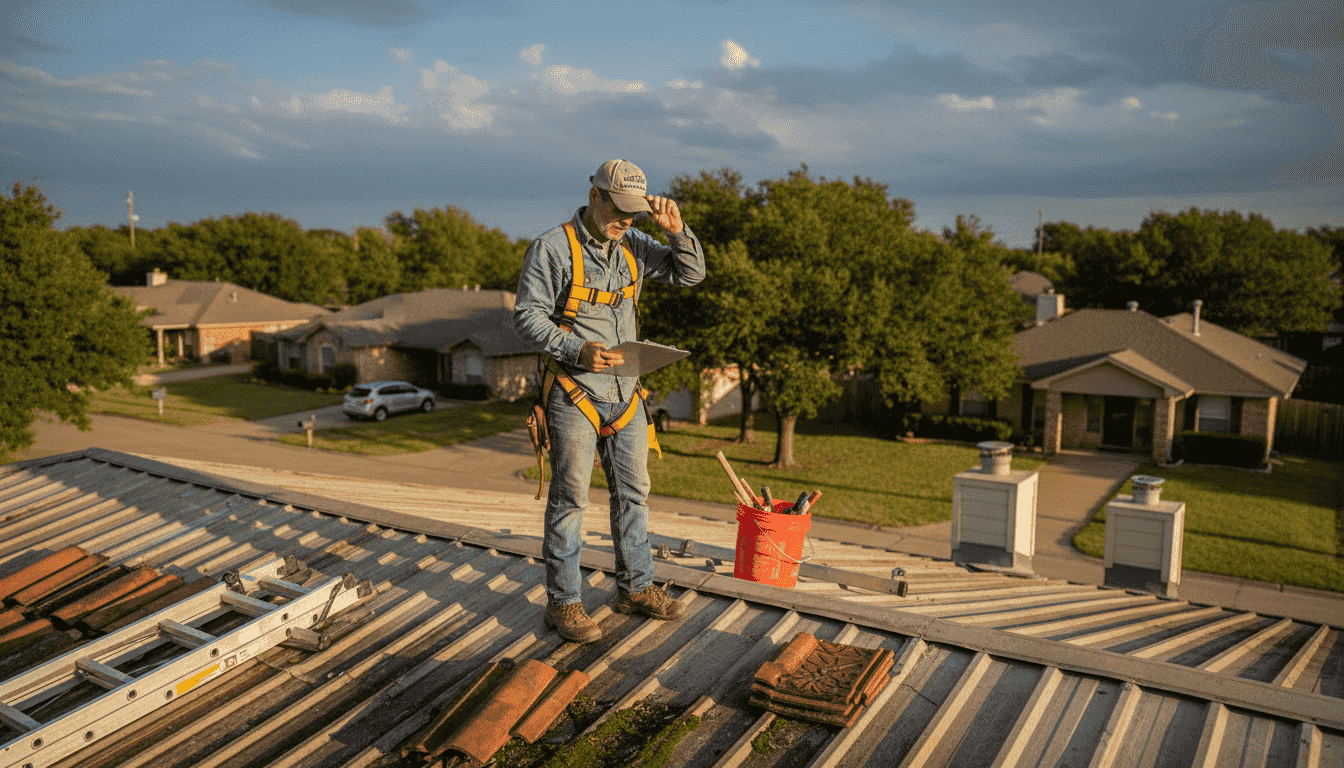
Wildfires and severe storms are real threats to homes in Houston, making fire-resistant roofing materials more important than ever. The struggle to find a roof that truly protects your property—and fits your style—can leave you feeling overwhelmed by choices and conflicting claims. You want a solution that keeps your family and investment safe through heat, flames, and unpredictable weather.
The right fire-resistant roofing can deliver peace of mind and lasting security for your home. You’ll soon uncover the standout materials that combine Class A fire protection, impressive durability, and curb appeal—tailored for Houston’s unique climate. Get ready to discover proven roof types that promise more than just fire safety, each bringing real benefits you can count on.
Table of Contents
- 1. Metal Roofing: Strong Fire Protection and Durability
- 2. Clay and Concrete Tiles: Natural Fire Resistance
- 3. Asphalt Shingles: Choosing Class A Fire-Rated Styles
- 4. Slate Roofing: Timeless Look with Superior Fire Safety
- 5. Synthetic Roofing Materials: Modern Fire-Resistant Choices
- 6. Flat and TPO Roofing: Fire-Safe Solutions for Low-Slope Roofs
Quick Summary
| Key Message | Explanation |
|---|---|
| 1. Choose Fire-Resistant Roofing | Fire-resistant materials like metal, clay, and slate protect homes from wildfires effectively. |
| 2. Prioritize Class A Ratings | Select roofing products with Class A fire ratings for maximum safety and protection against intense fires. |
| 3. Consider Longevity and Durability | Opt for durable materials like metal and tile that last 40-100 years with minimal maintenance requirements. |
| 4. Ensure Proper Installation | Professional installation is crucial for maximizing fire protection and the longevity of your roofing system. |
| 5. Check Insurance Benefits | Installing fire-rated materials may lower your home insurance premiums; consult your insurer for details. |
1. Metal Roofing: Strong Fire Protection and Durability
Metal roofing stands out as one of the most fire-resistant options available to Houston homeowners. Unlike traditional asphalt shingles that can ignite under intense heat, metal is non-combustible and will not catch fire, making it an excellent choice for protecting your home in wildfire-prone areas.
The fire protection starts with the material itself. Metal roofing achieves a Class A fire rating, the highest classification available. This means the roof can withstand severe fire exposure including burning brand tests without the decking igniting. The material’s high melting point and fire-retardant coatings prevent flames from spreading across the roof surface, which is critical when embers from nearby fires land on your home.
Metal roofing resists flame spread and does not ignite easily, providing superior protection for Houston homes in fire-prone environments.
Beyond fire resistance, metal roofs deliver exceptional durability. Here’s what makes them stand out:
- Wind resistance up to 140 mph, protecting against Houston’s powerful storms
- Ability to withstand hail, heavy snow loads, and extreme weather events
- Lifespan of 40 to 70 years with proper maintenance
- Minimal maintenance requirements compared to other materials
When fire protection meets durability, you get a roofing system that works harder and lasts longer. Metal roofs don’t degrade quickly under UV exposure or weather stress. This longevity means you’re investing in a solution that protects your family today and maintains its integrity for decades.
Houston’s climate—with intense summer heat, frequent storms, and occasional wildfire threats—makes metal roofing particularly valuable. The material reflects sunlight, reducing cooling costs while maintaining its structural strength during extreme temperatures.
If you’re comparing metal roofing with other durable roof types, metal consistently ranks first for fire resistance combined with long-term durability. This combination means fewer replacements and fewer worries about catastrophic damage.
Pro tip: When investing in metal roofing, verify that your contractor installs Class A rated systems and uses fire-retardant fasteners and underlayment to ensure maximum fire protection across your entire roof assembly.
2. Clay and Concrete Tiles: Natural Fire Resistance
Clay and concrete tiles represent a time-tested roofing solution with outstanding fire protection built into every tile. Unlike materials that require chemical treatments to resist fire, these tiles are naturally non-combustible due to their composition and manufacturing process.
The fire resistance comes from how these tiles are made. Clay tiles are fired in kilns at extremely high temperatures, while concrete tiles are molded and cured under controlled conditions. This process eliminates any organic material that could burn, leaving behind a tile that simply cannot ignite. Both achieve a Class A fire rating, matching the highest fire protection standard available.
When intense heat from nearby fires reaches your roof, these tiles remain stable and unmoved. They don’t warp, crack from thermal stress, or allow flames to penetrate the underlying structure. This passive fire protection means your home stays safer without needing special coatings or treatments.
Clay and concrete tiles provide non-combustible fire protection that lasts the entire lifetime of your roof, offering peace of mind in fire-prone Houston neighborhoods.
Beyond fire safety, these tiles deliver impressive longevity. Here’s what you gain with tile roofing:
- Lifespan of 50 to 100 years or more with proper maintenance
- Exceptional durability against Houston’s heat and humidity
- Natural insulation properties that reduce cooling costs
- Aesthetic versatility with multiple color and style options
- Excellent structural robustness during severe weather
Fire-resistant clay and concrete tiles offer homeowners enhanced protection against wildfires while maintaining a beautiful appearance. The heavyweight nature of tile also helps protect against wind damage and impact from debris during storms.
One consideration is that tile roofing requires a stronger roof structure due to its weight. Your home must be designed to support the load, which is why professional installation and inspection matter. However, once installed properly, tile roofing requires minimal maintenance over its decades-long lifespan.
Houston homeowners often choose tiles for their combination of fire safety, longevity, and curb appeal. If you value a roofing solution that protects your investment while looking elegant for a lifetime, tile roofing deserves serious consideration.
Pro tip: Before installing tile roofing, have a structural engineer evaluate your roof framing to ensure it can support the weight—typically 10 to 15 pounds per square foot—and confirm proper installation by a contractor experienced with tile systems.
3. Asphalt Shingles: Choosing Class A Fire-Rated Styles
Asphalt shingles dominate American roofing because they’re affordable, durable, and come in countless colors and styles. The good news for Houston homeowners is that you can get Class A fire protection without sacrificing aesthetics or budget.
Not all asphalt shingles offer equal fire protection. The difference lies in their composition and construction. Fiberglass-based shingles with mineral granules are engineered to resist severe fire exposure, including flame spread and burning brands. These shingles slow flame advancement and resist ignition far better than organic varieties, making them your best choice for fire-prone areas.
When fiberglass asphalt shingles achieve Class A designation, they provide superior fire resistance compared to standard options. The fiberglass base provides a non-combustible core, while the mineral granules enhance the shingle’s ability to withstand external fire sources. This combination means your roof offers increased protection against nearby wildfires and flying embers.
Class A fire-rated asphalt shingles give you the highest safety rating available in shingle form, providing peace of mind without breaking your budget.
Choosing the right shingles matters. Look for these features when selecting fire-resistant options:
- Class A fire rating on the product specifications
- Fiberglass construction rather than organic materials
- Installation with fire-resistant underlayments for optimal protection
- Proper fastening and ventilation per manufacturer guidelines
- Professional installation by experienced contractors
Proper installation amplifies fire protection significantly. Fire-resistant underlayments create an additional barrier beneath your shingles, and correct fastening ensures shingles stay in place during high winds or extreme heat. Installation shortcuts can reduce the effectiveness of even the highest-rated shingles.
With Class A fire ratings for asphalt roofs, you gain protection against external fire sources while maintaining the affordability and beauty that make shingles popular. Houston homeowners appreciate that Class A shingles don’t require the investment of tile or metal but still deliver serious fire safety.
Your insurance company may also recognize Class A fire ratings with potential discounts on your premiums. Check with your insurer about specific savings for fire-resistant roofing.
Pro tip: When shopping for asphalt shingles, ask your contractor for documentation proving Class A certification and confirm that installation includes fire-resistant underlayment products to maximize your roof’s fire protection performance.
4. Slate Roofing: Timeless Look with Superior Fire Safety
Slate roofing represents the ultimate combination of elegance and fire protection. This natural stone material has protected homes for centuries, particularly in fire-prone regions, because it simply cannot catch fire or emit toxic fumes when exposed to flames.
Slate’s fire resistance comes from its geological composition. It is non-combustible and classified as a Class A roofing material, the highest fire safety rating available. When intense heat reaches a slate roof, the material doesn’t ignite, melt, or allow flames to spread across the surface. Even more impressive, slate prevents flame advancement even when installed over combustible roof decks, which meets current building codes for fire-prone areas.
Unlike manufactured roofing materials that depend on chemical treatments, slate offers inherent fire protection that never degrades or wears away. The fire resistance is built into the stone itself and lasts for the entire lifespan of the roof.
Natural slate prevents flame spread and does not ignite under extreme fire exposure, making it one of the smartest roofing choices for fire zones like Houston.
Beyond fire safety, slate delivers exceptional benefits:
- Lifespan of 75 to 200 years, far exceeding any other roofing material
- Timeless, elegant appearance that enhances home value significantly
- Proven performance during intense wildfires in high-risk areas
- Superior architectural protection alongside fire safety
- Minimal maintenance requirements over decades
Slate’s durability is legendary. Homeowners often inherit slate roofs installed by previous generations that still protect the home perfectly. This longevity means you’re making a one-time investment that outlasts you.
The primary consideration with slate is its weight and cost. Your home requires a strong structural foundation to support slate’s heaviness, typically 10 to 15 pounds per square foot. Installation costs are higher than other materials, but the exceptional lifespan justifies the investment for homeowners seeking durable roofing solutions that last generations.
Houston homeowners who value fire safety, stunning aesthetics, and long-term value find slate roofing unmatched. If budget allows, slate offers the best combination of fire protection and architectural beauty available.
Pro tip: When considering slate roofing, hire a structural engineer to evaluate your home’s load-bearing capacity before installation, and choose a contractor with proven experience installing slate to ensure proper installation that maximizes durability and fire protection.
5. Synthetic Roofing Materials: Modern Fire-Resistant Choices
Synthetic roofing materials represent the cutting edge of fire-resistant technology. Engineered from recycled plastics, rubber, and composite materials, these modern options deliver Class A fire ratings while mimicking the appearance of natural products like slate or wood shakes.
What makes synthetics special is their dual advantage of form and function. You get the stunning visual appeal of traditional roofing materials paired with superior fire protection, durability, and lower maintenance than the originals. Synthetic shingles won’t rot, splinter, or degrade like natural materials, yet they look virtually identical to homeowners viewing your roof.
These materials are engineered specifically to meet or exceed fire safety standards. Synthetic roofing products designed for fire resistance utilize advanced manufacturing to achieve excellent protection against fire, UV damage, and weathering. The recycled content also makes them an environmentally responsible choice for fire-conscious homeowners.
Synthetic roofing materials combine modern fire protection with the timeless beauty of traditional roofing styles, giving you the best of both worlds.
Here’s what synthetic materials offer Houston homeowners:
- Class A fire ratings meeting wildfire protection standards
- Lightweight installation compared to slate or tile
- Resistance to UV fading and harsh weather exposure
- Lower maintenance than natural wood or slate products
- Aesthetic versatility replicating multiple traditional styles
- Recycled material composition supporting sustainability
The beauty of synthetics is their flexibility. You can achieve the elegant look of expensive slate or charming wood shakes without the weight, cost, or maintenance headaches. Installation is easier and faster than traditional materials, which keeps labor costs down.
Synthetic materials also resist the Houston humidity that can damage wood shakes or cause organic materials to degrade quickly. They won’t absorb moisture, grow algae, or require frequent cleaning and treatments.
When evaluating roofing membranes and synthetic options, consider your long-term goals. If you want fire safety, durability, low maintenance, and stunning aesthetics without the premium price tag of natural slate, synthetics deliver all four.
Most synthetic products carry 30 to 50 year warranties, giving you decades of reliable protection. Over this timeframe, the lower maintenance and replacement costs make synthetics competitive with even budget-friendly options.
Pro tip: When selecting synthetic roofing, verify that your chosen product carries independent Class A fire certification and check warranty coverage for your specific Houston climate conditions to ensure maximum protection.
6. Flat and TPO Roofing: Fire-Safe Solutions for Low-Slope Roofs
Flat and low-slope roofs are common on modern Houston homes, commercial buildings, and multi-unit properties. If your home has this roof style, you still have excellent options for fire-resistant protection tailored specifically to flat roof systems.
TPO roofing stands for thermoplastic polyolefin, a single-ply membrane material engineered for flat roofs. Many TPO products are manufactured to resist fire and achieve Class A fire ratings. The membrane’s composition makes it naturally fire-resistant while providing excellent durability against Houston’s intense sun and temperature fluctuations.
Flat roofing systems work differently than pitched roofs. Traditional flat roofing materials like EPDM rubber, modified bitumen, and TPO membranes create a continuous barrier across your roof surface. This design actually provides advantages for fire protection because there are no gaps, valleys, or overlapping seams where embers could penetrate.
TPO and fire-rated flat roofing membranes offer complete coverage protection with Class A fire safety, making them smart choices for Houston’s modern homes.
When selecting fire-safe options for low-slope roofs, consider these features:
- Single-ply membranes that create seamless, continuous barriers
- Class A fire ratings for maximum protection
- Reflective surfaces that reduce cooling costs
- Enhanced durability against UV damage and weathering
- Professional seaming and installation critical to performance
- Long lifespan of 20 to 30 years with proper maintenance
TPO roofing for Houston homes offers energy efficiency alongside fire protection. The light-colored surface reflects sunlight, reducing cooling demands during hot summers while maintaining fire safety standards.
Flat roofs require slightly different maintenance than pitched roofs. Proper drainage is critical because water can pool if drainage systems become clogged. Regular inspections catch small issues before they become costly problems. Fire-resistant membranes maintain their protective qualities only with appropriate care.
When you need fire protection on a low-slope roof structure, reliable flat roofing options with Class A fire ratings provide exactly what Houston properties need. Professional installation ensures seams are properly sealed and membranes are secured correctly for maximum fire safety.
Your contractor should discuss TPO versus other flat roof materials based on your specific needs, budget, and climate exposure. Quality installation matters more with membrane roofing than with shingles.
Pro tip: For flat roofs, schedule annual inspections to check membrane condition, ensure drainage systems work properly, and verify that seams remain sealed—these maintenance steps preserve both fire protection and roof longevity.
Below is a comprehensive table summarizing key fire-resistant roofing types and their respective characteristics discussed in the article.
| Roofing Type | Fire Safety Features | Additional Benefits |
|---|---|---|
| Metal Roofing | Achieves Class A fire rating; Non-combustible material; Fire-retardant coatings minimize flame spread. | High durability, resistance to wind up to 140 mph; Reflects sunlight reducing cooling costs; Lifespan of 40–70 years. |
| Clay and Concrete Tiles | Naturally non-combustible material; Fired in kilns/molded to remove organic content; Achieves Class A rating. | Lifespan of 50–100+ years; Aesthetic versatility; Excellent insulation and robustness during severe weather. |
| Asphalt Shingles | Class A fire-rated options available; Fiberglass-based core resists ignition and flame spread. | Affordable; Variety of styles; Lifespan of 20–30 years with proper maintenance. |
| Slate Roofing | Non-combustible natural stone; Achieves Class A fire rating; Prevents flame spread even over combustible decks. | Lifespan of 75–200 years; Timeless aesthetic appeal; Resistant to extreme environmental conditions. |
| Synthetic Roofing Materials | Meets/exceeds Class A fire safety standards; Engineered for high fire resistance with recycled content. | Lightweight; Replicates traditional styles; Low-maintenance and environmentally sustainable. |
| Flat and TPO Roofing | Class A rated thermoplastic polyolefin membranes provide seamless fire-resistant barriers. | Enhanced UV protection; Reflective surfaces lower cooling costs; Lifespan of 20–30 years. |
Protect Your Houston Home with Expert Fire-Resistant Roofing Solutions
Facing Houston’s wildfire risks and severe weather demands roofing that offers top-tier fire resistance and long-lasting durability. Whether you prefer the unmatched protection of metal roofs or the timeless safety of tile and slate, choosing the right roofing material is critical for protecting your family and property. At Mister ReRoof, we understand the challenges Houston homeowners face and specialize in installing fire-rated roofing systems designed to meet the highest safety standards including Class A ratings.
Start your journey toward a safer roof today with our experienced team. We offer quality installations of metal, shingle, flat, and TPO roofing tailored for Houston’s climate. Don’t wait for damage to happen. Visit Mister ReRoof for a free estimate and expert advice on the best fire-resistant roofing options. Secure your home with roofing solutions engineered to withstand heat, embers, and storms. Contact us now and protect what matters most.
Frequently Asked Questions
What are the fire ratings for different roofing materials?
Metal, clay, and concrete tiles achieve a Class A fire rating, the highest designation available. Asphalt shingles can also be Class A rated when using fiberglass-based options. Verify the fire rating before making your roofing material choice to ensure maximum safety.
How long can I expect fire-resistant roofing options to last?
Depending on the material, fire-resistant roofing can last significantly longer than traditional options. For example, metal roofs can last 40 to 70 years, while slate roofs can endure for 75 to 200 years with proper maintenance. Plan for long-term investment considering both lifespan and durability.
What maintenance do fire-resistant roofing materials require?
Most fire-resistant roofs, like metal and tiles, require minimal upkeep compared to traditional roofing. Regular inspections, cleaning gutters, and ensuring proper drainage can help extend the life of your roofing. Schedule maintenance tasks annually to catch potential issues early.
Can I improve my home’s fire safety with roofing upgrades?
Yes, upgrading to Class A fire-rated materials significantly enhances your home’s fire safety. Choose materials like metal, clay tiles, or synthetic options that resist ignition and flame spread. Evaluate your current roof and consider a professional consultation to assess potential improvements.
How does fire-resistant roofing affect my home insurance?
Many insurance providers offer discounts for homes with Class A fire-rated roofing materials. Check with your insurance company about potential savings and ensure you document your roofing materials to maximize your benefits. This can lead to reduced premiums over time.
