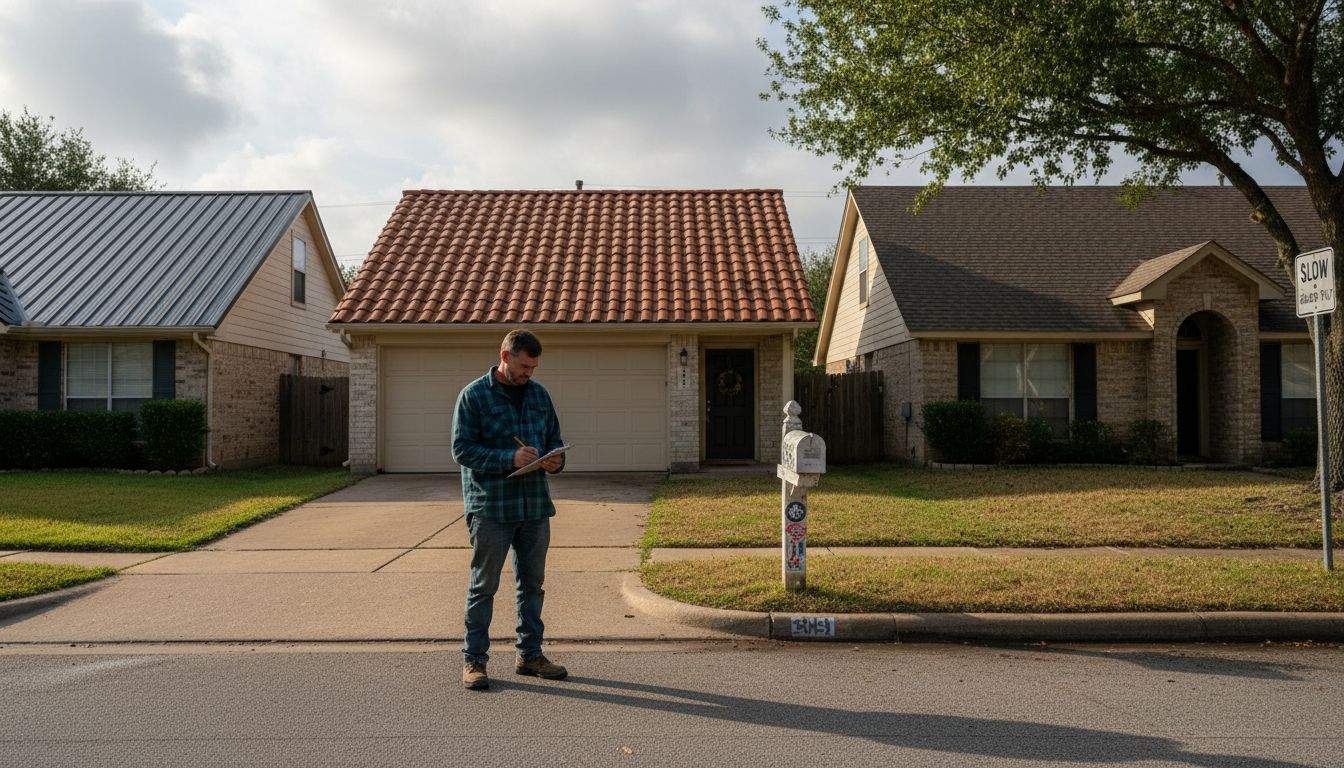
Living in Houston means facing everything from blistering sun to severe rain, hail, and hurricane-force winds. If your roof is not up to the challenge, you risk leaks, expensive repairs, and even structural problems every storm season. Protecting your home starts with choosing the right roofing material that can truly stand up to Houston’s demanding climate.
This list reveals the best roof types for Houston weather, each designed to solve a specific problem — whether you want maximum durability, lower energy bills, or protection against flying debris. You’ll uncover key strengths, real-world performance insights, and critical tips that go beyond marketing claims.
Get ready to discover practical choices that will help you make a smart investment and keep your home safe year after year.
Table of Contents
- 1. Metal Roofing: Ultimate Storm Protection
- 2. Architectural Shingles: Enhanced Durability
- 3. Tile Roofs: Long-Lasting and Weather Resistant
- 4. TPO Roofing: Strong Energy Efficient Solution
- 5. Modified Bitumen Roofs: Tough and Reliable
- 6. Slate Roofing: Premium Strength for Homes
Quick Summary
| Key Message | Explanation |
|---|---|
| 1. Metal roofing withstands storms effectively | Metal roofs resist wind speeds above 160 mph and protect from hail, ensuring safety during severe weather in Houston. |
| 2. Architectural shingles offer enhanced durability | These multi-layered shingles last 20-30 years, resisting hail and wind better than traditional options, making them a smart investment. |
| 3. Tile roofs can last decades with minimal maintenance | With proper installation, tile roofs endure extreme weather and require little upkeep, potentially lasting 40-60 years. |
| 4. TPO roofing is energy efficient | TPO’s reflective surface reduces cooling costs significantly, making it an economical choice for hot Houston summers. |
| 5. Slate roofing provides unmatched longevity | High-grade slate roofs last 75-200 years, offering great durability and requiring minimal maintenance, perfect for premium homes. |
1. Metal Roofing: Ultimate Storm Protection
Metal roofing stands out as the top choice for Houston homeowners facing intense storms and severe weather. Its exceptional durability and wind resistance make it the ultimate solution for protecting your home when nature strikes hard.
When a powerful storm hits Houston, your roof faces extreme forces. Metal roofing systems resist these pressures far better than traditional materials because of their lightweight yet incredibly strong construction. Unlike shingles that can tear away or wooden structures that splinter, metal stays intact through violent winds and heavy impacts.
The real advantage lies in how metal roofs are installed. Metal roofing systems use reinforced anchoring methods and hurricane ties that secure the roof tightly to your home’s frame. This prevents the uplift forces that cause catastrophic failures during storms. According to the hurricane-proof design standards, metal roofs with improved fastening systems successfully withstand extreme weather conditions.
Houston experiences some of the nation’s most challenging weather patterns. Your roof needs to handle not just wind, but hail, flying debris, and sudden pressure changes. Metal roofing excels at all three.
Key benefits for Houston homeowners:
- Resists wind speeds exceeding 160 mph without failure
- Deflects hail and flying debris from storms
- Allows secure installation with tested anchoring systems
- Lasts 40-50 years with minimal maintenance
- Reflects heat, reducing energy costs year-round
When you choose metal roofing, you’re also investing in a system that meets rigorous testing standards. The FORTIFIED Roof program strengthens various roof types by requiring stronger edges, sealed roof decks, and tested rated covers. Metal roofs must be tested for site-specific design pressures and meet impact ratings to protect against wind and hail damage.
Your local building codes recognize metal roofing’s superiority. Houston’s climate demands solutions that go beyond basic weather protection, and metal delivers that reliability every single day.
Metal roofing with proper installation and anchoring systems prevents roof failure and subsequent structural damage during extreme weather events.
Pro tip: When getting quotes for metal roofing, ask contractors specifically about their anchoring systems and whether they follow FORTIFIED Roof standards for your Houston home’s specific wind resistance requirements.
2. Architectural Shingles: Enhanced Durability
Architectural shingles represent a significant step up from basic three-tab shingles, offering Houston homeowners a more durable and visually appealing roofing option. Their multi-layered construction delivers superior protection against the region’s harsh climate while adding dimension and character to your home’s appearance.
The difference between architectural and standard shingles comes down to construction and materials. Architectural shingles feature a fiberglass base with multiple layers laminated together, creating a thicker, more robust product. This layered design strengthens the entire shingle and prevents the brittleness and cracking that plague older three-tab versions over time.
Houston’s weather demands roofing materials that can withstand extreme conditions. Architectural shingles excel at resisting hail impact and wind damage because of their improved granule adhesion and enhanced coating durability. Testing under UL 2218 impact resistance standards shows architectural shingles outperform traditional three-tab shingles significantly.
The enhanced durability translates directly to cost savings for your home. You’ll experience fewer leaks, less weather damage, and longer intervals between roof replacement or major repairs. Most architectural shingles last 20 to 30 years, compared to 15 to 20 years for standard shingles.
Why Houston homeowners choose architectural shingles:
- Better hail and wind resistance than three-tab alternatives
- Improved granule retention prevents deterioration
- Stronger adhesion means fewer blown-off shingles during storms
- Enhanced curb appeal with dimensional, textured appearance
- Better protection against weathering in variable climates
Your roof faces constant exposure to UV rays, temperature swings, and moisture. Architectural shingles handle these challenges better because their multiple layers reduce brittleness and cracking that develops in single-layer products.
When you invest in architectural shingles, you’re choosing materials that perform well in high-risk weather areas. Houston definitely qualifies as a challenging climate, making this upgrade a smart financial and practical decision.
Architectural shingles deliver enhanced durability by combining superior impact resistance, improved weather protection, and extended lifespan compared to standard three-tab options.
Pro tip: When comparing architectural shingles, look for products with strong granule adhesion ratings and verify they meet or exceed UL 2218 impact standards to ensure maximum protection in Houston’s storm-prone environment.
3. Tile Roofs: Long-Lasting and Weather Resistant
Tile roofs represent one of the most durable and longest-lasting roofing options available to Houston homeowners. Made from clay or concrete, these heavy-duty materials offer exceptional weather resistance and can protect your home for generations with minimal maintenance.
Tile roofing provides superior protection against Houston’s extreme weather. Clay and concrete tiles resist heavy rain, hail, fire, and freeze-thaw cycles that damage other materials. With moisture absorption under 1%, tiles prevent mold, rot, and insect damage that plague wood-based or asphalt products over decades.
The construction method makes tile roofs exceptionally reliable. Each tile locks into place with neighboring pieces, creating a continuous barrier against water infiltration. Modern fastening systems securely anchor tiles to your roof structure, ensuring they stay in place during severe storms.
Houston’s climate presents unique challenges with intense heat, sudden temperature swings, and occasional freeze damage. Tile roofing handles all these conditions without degradation. Your investment in quality tiles means you won’t need major repairs for 40, 50, or even 60 years.
Why tile roofs excel in Houston’s climate:
- Virtually maintenance-free after proper installation
- Withstand hail impacts without cracking or breaking
- Resist mold and rot completely
- Meet stringent building code requirements
- Maintain structural integrity through freeze-thaw cycles
- Provide excellent fire resistance
One consideration for Houston homeowners is that tile roofs can be vulnerable to wind-borne debris at extreme wind speeds starting around 120 to 130 mph. Hip, ridge, and eave tiles are particularly susceptible to wind damage. Proper installation with secure fastening methods significantly reduces this risk.
Your roof’s edges and ridges need special attention. Modern installation techniques ensure these vulnerable areas are securely fastened and properly maintained. Regular inspections catch any loose tiles before they become problems.
Tile roofs are among the most durable roofing materials available, often lasting 40 to 60 years with virtually no maintenance required after proper installation.
Pro tip: After storms, have a professional inspect your tile roof’s ridge and edge tiles specifically, as these areas experience the most wind stress and benefit most from preventative maintenance checks.
4. TPO Roofing: Strong Energy Efficient Solution
TPO roofing offers Houston homeowners a smart combination of durability, energy efficiency, and cost-effectiveness. This single-ply membrane system has become increasingly popular because it delivers real performance without breaking the bank.
TPO stands for thermoplastic polyolefin, a flexible plastic material that creates a seamless protective layer across your entire roof. Unlike traditional shingles, TPO forms a continuous barrier with strong seam integrity that prevents water infiltration and wind damage. The material’s flexibility allows it to expand and contract with temperature changes without cracking or failing.
Energy efficiency is where TPO truly shines for Houston homeowners. The reflective white surface bounces solar heat away from your home instead of absorbing it like darker roofing materials. This reduces your cooling costs during our brutal summer months, paying dividends month after month on your electric bills.
TPO membranes maintain excellent performance even after years of exposure to Houston’s harsh climate. Field studies show these roofs maintain their flexibility and seam strength through extended service life across diverse climates. Proper installation and material improvements have made TPO a reliable, long-lasting choice.
Key advantages of TPO roofing for Houston homes:
- Reflective surface reduces cooling costs significantly
- Durable single-ply membrane resists weathering
- Strong seams prevent water leaks
- Flexible material accommodates temperature swings
- Long lifespan with minimal maintenance
- More affordable than metal or tile options
Your roof experiences constant exposure to intense sun, heat spikes, and occasional storms. TPO handles all these challenges through advanced ASTM standards enhancing weathering resistance. Modern TPO installations typically last nearly 20 years or longer when properly installed.
The installation process is crucial to TPO performance. Professional contractors use proper fastening and sealing techniques to ensure your roof’s longevity. Seams are heat-welded together, creating bonds stronger than the membrane itself.
TPO roofing delivers the perfect balance for Houston homeowners: energy savings through reflective surfaces combined with durable weather protection that lasts for decades.
Pro tip: When selecting a TPO contractor, verify they use heat-welded seam procedures and ask about the specific membrane thickness they recommend for Houston’s climate, as thicker membranes provide better long-term durability and puncture resistance.
5. Modified Bitumen Roofs: Tough and Reliable
Modified bitumen roofing delivers the durability and reliability Houston homeowners need for flat or low-slope roofs. This multi-layer system combines proven asphalt technology with modern polymer modifications to create a roofing solution that handles extreme weather and lasts for decades.
Modified bitumen represents an evolution of traditional built-up roofing. Instead of multiple tar layers, these systems use polymer-modified asphalt membranes that provide superior flexibility and strength. The added polymers prevent cracking and tearing that plague older roofing methods, especially during Houston’s temperature swings.
The construction method makes modified bitumen exceptionally tough. Each membrane layer bonds to the structure beneath it, creating a multi-ply waterproof barrier that stops water infiltration completely. When properly installed, these roofs perform beautifully through hail, wind, and prolonged sun exposure.
Houston’s intense summer heat and occasional hail pose serious challenges to any roofing system. Modified bitumen roofs are tested for hail damage resistance using rigorous methods that simulate actual hailstorm impacts. These materials resist cracking and tearing under conditions matching natural hailstorms, protecting your investment.
Why modified bitumen works well for Houston roofs:
- Provides enhanced waterproofing compared to older systems
- Multi-ply construction creates redundant protection
- Flexible material accommodates building movement
- Resistant to hail damage through impact testing
- Easily repairable when damage occurs
- Proven performance in harsh climates
Modified bitumen systems offer adaptability that other roofing membrane options sometimes lack. If damage occurs, repair crews can patch specific areas without replacing the entire roof. This makes maintenance straightforward and cost-effective over time.
Your flat or low-slope roof needs materials that won’t puddle or fail under standing water. Modified bitumen’s superior weather resistance and waterproofing properties address these concerns directly. The polymer modifications enhance longevity significantly compared to traditional built-up roofing.
Modified bitumen roofing systems deliver proven performance through tough, reliable protection that handles hail, extreme heat, and weather exposure for years.
Pro tip: When installing modified bitumen roofing, ensure contractors use proper torch-down or cold-applied methods appropriate for your specific roof slope and verify they apply multiple layers for maximum redundancy and durability.
6. Slate Roofing: Premium Strength for Homes
Slate roofing represents the ultimate in premium roofing materials, offering unmatched strength and longevity that can last for centuries. If you’re looking for a roofing investment that will outlive you and potentially your grandchildren, slate is the answer Houston homeowners have chosen for generations.
Slate is a natural stone material quarried from the earth and split into thin tiles for roofing. Each piece is naturally durable and weather resistant because of its mineral composition and dense structure. This isn’t a manufactured product—it’s genuine stone that nature has been perfecting for millions of years.
The durability of slate depends on several factors including mineral content, quarry source, and proper installation. High-grade slates can last anywhere from 75 to over 200 years, with some historic roofs still performing after multiple centuries. That’s a timeframe that puts other roofing materials to shame.
Houston’s climate presents challenges that slate handles beautifully. The material resists fire, UV damage, extreme temperatures, and moisture infiltration. Unlike shingles that deteriorate or metals that fatigue, slate simply gets better with age as surface patina develops.
Why slate roofing excels for premium homes:
- Lasts 75 to 200 years or longer depending on quality
- Completely fire resistant for maximum safety
- Resists hail, wind, and weather damage
- Adds significant aesthetic value and curb appeal
- Requires minimal maintenance over decades
- Environmentally sustainable long-term choice
Slate does require proper installation and occasional maintenance to maximize longevity. Expert guidance on selecting roofing materials helps homeowners understand that delamination and minor breakage can occur if slate isn’t installed correctly or if mineral impurities exist in lower-grade materials.
The weight of slate requires structural consideration, but experienced contractors ensure your home can support it properly. Once installed correctly, your slate roof becomes a permanent fixture of your home’s structure.
Slate roofing delivers premium strength and exceptional durability that can genuinely last a century or more, making it the ultimate long-term investment for discerning homeowners.
Pro tip: When considering slate roofing, invest in high-grade slate from reputable quarries and hire experienced slate installers who understand proper fastening and installation techniques specific to your roof’s slope and Houston’s wind conditions.
Below is a comprehensive table summarizing the key characteristics, benefits, and considerations for various roofing materials suitable for Houston’s challenging climate as discussed in the article.
| Roofing Type | Key Characteristics | Advantages | Best For |
|---|---|---|---|
| Metal Roofing | Lightweight, reinforced anchoring systems, high wind resistance. | Durable, energy-efficient, withstands severe storms. | Areas with extreme weather conditions. |
| Architectural Shingles | Multi-layered construction, fiberglass base, enhanced granule adhesion. | Improved durability, good hail and wind resistance. | Homeowners seeking visual appeal and longevity. |
| Tile Roofing | Made from clay or concrete, extremely moisture-resistant. | Long-lasting, excellent weather resistance, fireproof. | Homes in hot climates with occasional hail. |
| TPO Roofing | Single-ply thermoplastic membrane, flexible and seamless. | Cost-effective, highly reflective, resists UV damage. | Flat or low-slope roofs requiring energy efficiency. |
| Modified Bitumen Roofing | Polymer-modified asphalt, multi-ply waterproof barrier. | Exceptional waterproofing, hail resistance, easy repairs. | Low-slope roofs needing durable protection. |
| Slate Roofing | Natural stone material, extremely durable, aesthetic. | Longevity of 75-200 years, environmentally sustainable. | Homes requiring premium materials for visual and durability concerns. |
Protect Your Houston Home with Expert Roofing Solutions Today
Houston homeowners face unique challenges from severe storms, intense heat, and hail that demand durable, storm-resistant roofing options like metal, architectural shingles, tile, TPO, modified bitumen, and slate roofs. The key to safeguarding your home lies not just in choosing the right material but also in professional installation that meets strict standards for wind resistance and longevity. Whether you want the unmatched strength of metal roofing or the energy-saving benefits of TPO, every option requires trusted expertise to ensure your investment truly stands up to Houston’s challenging climate.
At Mister ReRoof, we specialize in delivering high-quality roofing systems designed specifically for Houston’s weather demands. Our experienced team focuses on durable materials, reliable anchoring, and precision installation so your roof resists wind uplift, hail impacts, and temperature swings for decades to come.
Ready to upgrade your home’s protection with roofing engineered for Houston storms? Visit us to learn more about our comprehensive roof replacement services and get your free estimate today. Secure your peace of mind now with Mister ReRoof the trusted local experts committed to your roof’s safety and durability.
Frequently Asked Questions
What factors should Houston homeowners consider when choosing a roofing type?
Choosing a roofing type involves considering durability, energy efficiency, and weather resistance. Take time to evaluate how each roofing option holds up against Houston’s extreme heat, storms, and humidity to make an informed decision.
How long can I expect each type of roof to last in Houston?
The lifespan of roofing materials varies: metal roofs can last 40-50 years, architectural shingles typically last 20-30 years, tile roofs can endure for 40-60 years, TPO roofs may last around 20 years, modified bitumen roofs offer durability for decades, and slate roofs can last over 75 years. Assess your long-term investment strategy based on these averages to choose a roof that fits your needs.
How can I ensure the proper installation of my roof?
To ensure proper installation, hire experienced contractors who are familiar with the specific roofing type you choose. Request references, check their credentials, and ask about their installation techniques to ensure your roof will be installed correctly and efficiently.
What maintenance is required for different roofing types?
Maintenance requirements vary: metal roofs need inspections for rust, while architectural shingles benefit from checking granule loss, tile roofs should be inspected for broken tiles, and TPO roofs require seam checks. Schedule regular inspections every year or after major storms to maintain the integrity of your roof.
How do roofing types handle energy efficiency?
Metal and TPO roofs typically offer energy-saving benefits, reducing cooling costs with their reflective surfaces. Consider speaking with your contractor about energy-efficient options like reflective coatings for other roofing types to maximize your home’s energy performance.
What roofing types are best suited for Houston’s climate?
Metal roofing, tile roofs, and architectural shingles are particularly effective in Houston’s climate due to their durability and storm resistance. Research and choose a roofing type that meets both your aesthetic preferences and functional needs in a humid, storm-prone environment.