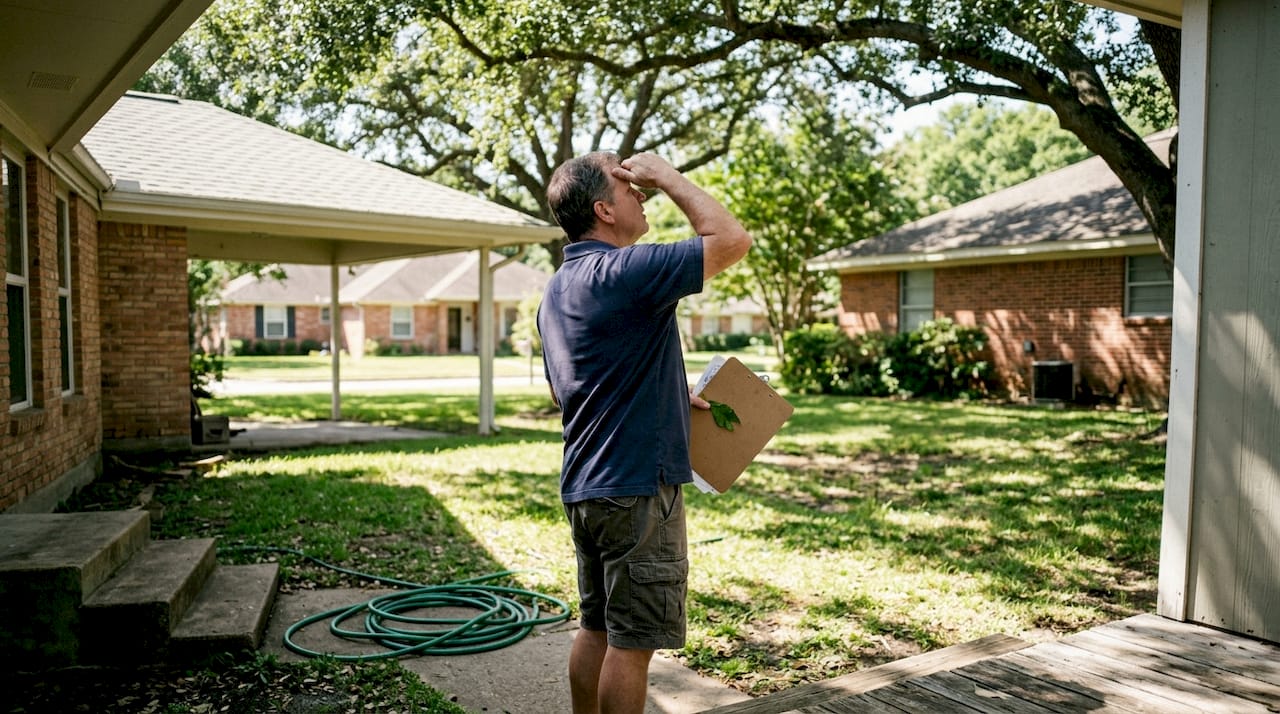
Choosing the right roof upgrade can feel overwhelming when you’re trying to balance energy savings, durability, and cost. Texas homeowners in El Campo and Houston face unique challenges with intense heat, sudden storms, and rising utility bills that make energy-efficient roofing a smart investment. This guide walks you through the essential criteria for evaluating roof upgrades, explores the most effective options available, and helps you compare features so you can make an informed decision that reduces costs and improves your home’s efficiency for years to come.
Table of Contents
- Key takeaways
- Criteria to consider when choosing energy-saving roof upgrades
- Top energy-saving roof upgrades for Texas homes
- Comparing energy-saving roof upgrades: features and cost
- Choosing the right energy-saving roof upgrade for your Texas home
- Upgrade your roof with energy-efficient solutions from Mister ReRoof
- Frequently asked questions
Key Takeaways
| Point | Details |
|---|---|
| Durability first | Durability comes first as Texas weather demands roofs that resist heat, hail, and high winds to preserve long term energy savings. |
| Reflectivity and insulation | Reflectivity plus insulation maximize energy savings by reducing heat gain and slowing heat transfer into living spaces. |
| Upfront cost versus savings | Consider upfront costs against projected utility savings over the roof life to determine value. |
| Warranty and installation impact | Warranty coverage and installation complexity influence protection and project timelines. |
Criteria to consider when choosing energy-saving roof upgrades
Selecting an energy-saving roof upgrade requires evaluating several critical factors that directly impact performance and value. Durability stands at the top of the list because Texas weather throws everything at your roof, from scorching summer heat to hail storms and high winds. A roof that can’t withstand these conditions won’t deliver long-term energy savings no matter how reflective or insulated it is.
Reflectivity plays a huge role in energy efficiency for Texas homes. Energy-efficient roofing requires considering durability, reflective properties, and insulation value to maximize performance in hot climates. Cool roof materials reflect solar radiation instead of absorbing it, keeping your attic and living spaces cooler and reducing air conditioning demands. Insulation quality works hand in hand with reflectivity by preventing heat transfer between your roof and interior spaces, creating a thermal barrier that maintains comfortable temperatures year-round.
The financial equation matters just as much as technical performance. You need to weigh initial installation costs against projected utility savings over the roof’s lifespan. Some upgrades cost more upfront but deliver substantial monthly savings that recoup the investment within a few years. Others offer modest improvements at lower prices, making them attractive for budget-conscious homeowners.
Local climate considerations can’t be ignored when choosing energy efficiency in roofing solutions. El Campo and Houston experience high humidity, intense UV exposure, and occasional severe weather that demand specific material properties. An upgrade that works beautifully in Arizona might underperform in coastal Texas conditions.
Pro Tip: Request detailed energy savings projections from contractors based on your specific roof size, orientation, and local utility rates to compare upgrade options accurately.
Key evaluation criteria:
- Weather resistance appropriate for Texas storm patterns and temperature extremes
- Solar reflectance index ratings that indicate heat rejection capability
- R-value measurements showing insulation effectiveness
- Warranty coverage protecting your investment against premature failure
- Installation complexity affecting labor costs and project timeline
- Compatibility with your existing roof structure and drainage systems
Top energy-saving roof upgrades for Texas homes
Reflective roof coatings represent one of the most accessible energy-saving upgrades available. These specialized coatings apply directly over existing roofing materials, creating a reflective surface that bounces solar radiation away from your home. They work particularly well for flat or low-slope roofs and can extend your current roof’s lifespan while immediately reducing cooling costs. The application process is relatively quick and less disruptive than full roof replacement.
Metal roofing has earned its reputation as an energy-saving powerhouse. Metal reflects solar heat effectively, often reducing cooling costs by 10 to 25 percent compared to traditional asphalt shingles. The material’s durability means it can last 40 to 70 years with minimal maintenance, far outlasting conventional roofing options. Metal roofs also shed water quickly, reducing moisture-related issues common in humid Texas climates.
TPO roofing offers energy-efficient solutions adapted to Houston’s climate with excellent heat reflection and durability. TPO membranes feature a bright white surface that reflects up to 87 percent of solar radiation, making them ideal for flat or low-slope residential and commercial applications. The material resists UV degradation, mold growth, and punctures while maintaining flexibility in temperature extremes.
Enhanced insulation layers beneath your roofing material create a critical thermal barrier. Adding or upgrading attic insulation works synergistically with reflective roofing to trap conditioned air inside your home and block external heat. Spray foam, rigid board, and blown-in insulation each offer distinct advantages depending on your attic configuration and budget.
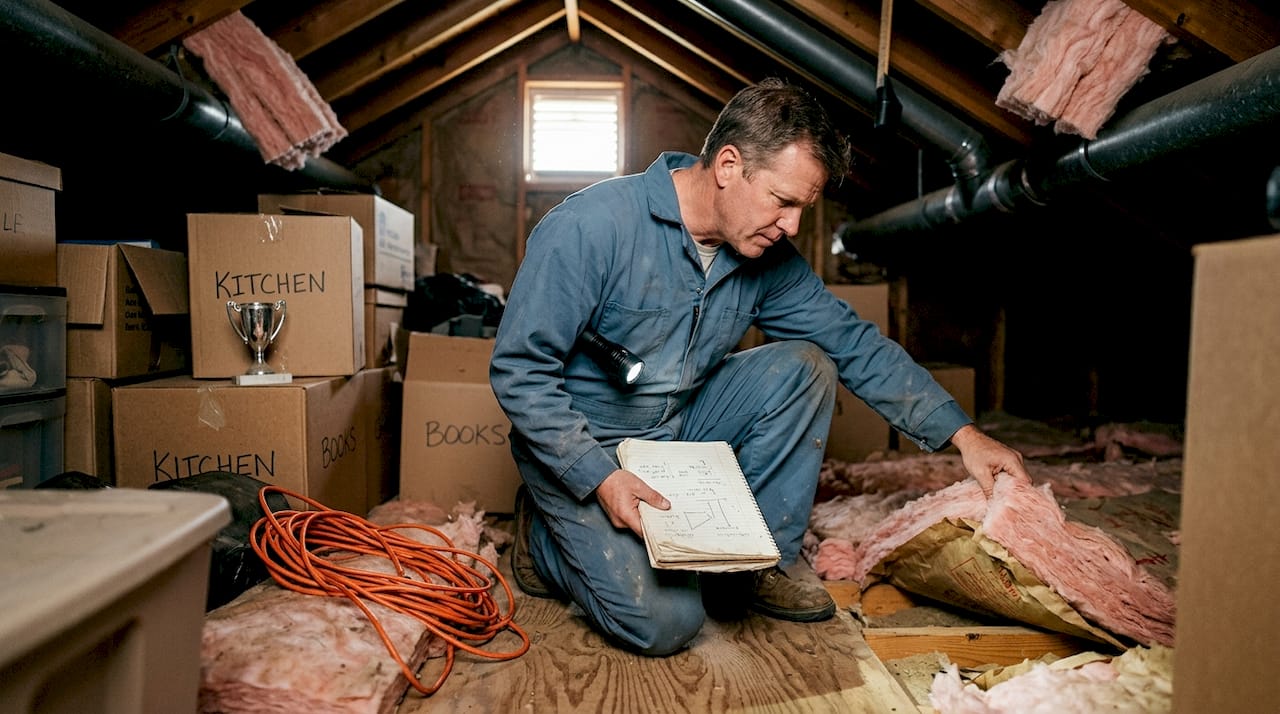
Proper ventilation complements any energy-saving roof upgrade by allowing hot air to escape from attic spaces. Ridge vents, soffit vents, and powered attic fans create airflow that prevents heat buildup, reducing the workload on your cooling system. Without adequate ventilation, even the most reflective roof can’t achieve maximum energy efficiency.
Popular upgrade options:
- Elastomeric coatings providing seamless waterproofing and solar reflection
- Standing seam metal panels offering superior durability and modern aesthetics
- TPO roofing benefits including chemical resistance and easy maintenance
- Radiant barriers reflecting heat before it enters living spaces
- Solar-ready roofing systems designed to support photovoltaic panel installation
Comparing energy-saving roof upgrades: features and cost
Metal roofing delivers exceptional longevity and energy performance but requires a higher initial investment. Expect to pay between $7 and $14 per square foot installed, depending on the metal type and profile selected. Steel and aluminum options provide excellent corrosion resistance for coastal areas, while the material’s reflective properties keep attic temperatures 50 to 60 degrees cooler than asphalt shingles. Maintenance needs remain minimal, usually limited to occasional inspections and debris removal.
TPO roofing balances affordability and performance for flat or low-slope applications. Installation costs typically range from $5 to $10 per square foot, making TPO more budget-friendly than metal while still delivering substantial energy savings. The white membrane reflects heat effectively, and the material resists algae growth and chemical exposure. TPO roofs generally last 15 to 30 years with proper maintenance, offering solid value for the investment.
Reflective coatings provide the most economical entry point for energy-saving upgrades. Application costs run between $1.50 and $4 per square foot, and you can apply coatings over many existing roof types without removal. While coatings require reapplication every 5 to 15 years depending on the product, they offer immediate cooling benefits and can extend your current roof’s service life. This option works best when your existing roof remains structurally sound but needs an energy boost.
Insulation upgrades enhance performance across all roofing types. Adding R-30 to R-60 insulation in your attic costs roughly $1 to $3 per square foot installed and typically pays for itself within 3 to 5 years through reduced utility bills. Quality roofing saves up to 40% more on energy bills and lasts longer in Texas conditions when combined with proper insulation. The investment delivers returns regardless of which roofing material sits above it.
Pro Tip: Calculate total cost of ownership over 20 years rather than focusing solely on installation price to identify the most cost-effective upgrade for your situation.
| Upgrade Type | Cost per Sq Ft | Lifespan | Energy Savings | Best For |
|---|---|---|---|---|
| Metal Roofing | $7-$14 | 40-70 years | 10-25% cooling reduction | Long-term investment, steep slopes |
| TPO Membrane | $5-$10 | 15-30 years | 15-20% cooling reduction | Flat/low-slope roofs, moderate budgets |
| Reflective Coating | $1.50-$4 | 5-15 years | 10-15% cooling reduction | Existing sound roofs, tight budgets |
| Enhanced Insulation | $1-$3 | 20+ years | 15-30% overall savings | All roof types, maximum efficiency |
Comparison factors:
- Warranty terms ranging from 10 years for coatings to lifetime coverage for premium metal
- Installation timeframes from single-day coating applications to week-long metal roof projects
- Aesthetic impact on curb appeal and neighborhood compatibility
- Resale value contributions varying by upgrade type and local market preferences
- Environmental benefits including recyclability and reduced urban heat island effects
Choosing the right energy-saving roof upgrade for your Texas home
Your decision process should start with a thorough assessment of your current roof’s condition and remaining lifespan. If your roof is nearing the end of its service life or shows significant damage, investing in a full replacement with energy-efficient materials makes more sense than applying temporary upgrades. An inspection by a qualified roofing professional can reveal hidden issues and help you understand whether repair, coating, or replacement serves you best.
Matching upgrade benefits to your specific goals and budget creates realistic expectations. If you plan to sell within five years, a lower-cost reflective coating might deliver sufficient energy savings and curb appeal without overinvesting. Homeowners planning to stay long-term benefit more from premium options like metal or TPO that provide decades of performance and maximum utility savings.
Texas climate factors should heavily influence your material selection. The combination of intense heat, high humidity, and severe weather potential means your upgrade must handle more than just energy efficiency. Wind uplift resistance, hail impact ratings, and moisture management capabilities protect your investment from premature failure. Coastal areas near Houston require additional corrosion resistance that inland El Campo properties might not need.
Professional installation and comprehensive warranties ensure your upgrade performs as expected. Even the best materials fail when installed improperly, so selecting experienced contractors familiar with quality roofing benefits in Texas conditions matters tremendously. Verify licensing, insurance, and manufacturer certifications before signing contracts.
Ongoing maintenance preserves your energy efficiency gains and extends roof lifespan. Maintaining your roof properly preserves energy efficiency gains and extends roof lifespan in Texas through regular inspections and prompt repairs. Simple tasks like clearing debris, checking flashing, and addressing minor damage prevent small issues from becoming expensive problems.
Decision framework:
- Schedule a professional roof inspection to establish current condition and identify specific needs
- Calculate your average monthly cooling costs and project potential savings from each upgrade option
- Request detailed quotes from multiple contractors including material specifications and warranty terms
- Evaluate total cost of ownership over your expected homeownership period rather than just upfront costs
- Verify contractor credentials and review completed projects similar to your planned upgrade
- Establish a maintenance schedule immediately after installation to protect your investment
Pro Tip: Time your roof upgrade for fall or early spring when contractor schedules are less busy and you can test performance before peak summer heat arrives.
Upgrade your roof with energy-efficient solutions from Mister ReRoof
Ready to reduce your utility bills and improve your home’s comfort with a professional roof upgrade? Mister ReRoof specializes in energy-efficient roofing solutions tailored specifically for Texas homeowners in El Campo and Houston. Their expert team installs shingle roof replacement in El Campo with advanced reflective materials, TPO roof replacement in El Campo for maximum cooling efficiency, and metal roof replacement in Victoria built to withstand decades of Texas weather.
Every installation comes with detailed energy savings projections, comprehensive warranties, and the quality workmanship that protects your investment for years to come. Contact Mister ReRoof today for a free estimate and discover which energy-saving roof upgrade delivers the best value for your home.
Frequently asked questions
What types of roof upgrades save the most energy?
Metal roofs, TPO membranes, and reflective coatings typically save the most energy by reflecting solar radiation and reducing heat absorption. Upgrades that combine reflective roofing materials with enhanced insulation and proper ventilation offer optimal savings by addressing both heat reflection and thermal transfer. The most effective solution depends on your roof type, budget, and climate conditions.
How can I assess if my current roof needs an energy-saving upgrade?
Look for signs like roof age exceeding 15 years, visible damage or deterioration, poor attic insulation, and consistently high summer cooling bills. Professional roof inspections provide definitive assessment by identifying structural issues, measuring current insulation levels, and calculating potential energy savings from various upgrades. An infrared scan can reveal heat loss patterns that indicate where improvements would deliver maximum benefit.
Are energy-saving roof upgrades cost-effective in Texas?
Yes, energy-saving roof upgrades typically reduce cooling costs by 10 to 40 percent depending on the upgrade type and your home’s current efficiency. Most upgrades pay for themselves within 5 to 15 years through utility savings, and they often increase home resale value by improving curb appeal and reducing buyer concerns about future expenses. Texas’s hot climate and long cooling seasons accelerate payback periods compared to northern states.