
Choosing the right commercial roofing system in 2026 presents unique challenges for Texas property managers and business owners. Economic uncertainties, rising material costs, and labor shortages complicate roofing decisions at a time when durability and energy efficiency matter more than ever. Understanding current roofing trends helps you make informed investments that protect your property and control long-term costs. This article covers essential selection criteria and explores the top roofing options gaining traction across Texas commercial properties, giving you the insights needed to navigate 2026’s roofing landscape with confidence.
Table of Contents
- How To Evaluate Commercial Roofing Options In 2026: Key Criteria For Texas Property Managers
- Top Commercial Roofing Options Trending In Texas For 2026
- Comparing Cool Roof Systems With Traditional Commercial Roofs In Texas
- Addressing Workforce And Cost Challenges In Texas Commercial Roofing For 2026
- Explore Expert Commercial Roofing Services In Texas
Key takeaways
| Point | Details |
|---|---|
| Economic pressures | Economic uncertainties and inflation challenge commercial roofing budgets and material availability in 2026. |
| Single-ply dominance | Single-ply roofing generates 28% of commercial contractor revenue, making it a leading choice. |
| Sustainable materials rise | Bio-based and recycled roofing materials gain momentum for energy savings and regulatory compliance. |
| Workforce constraints | Labor shortages impact project timelines, pricing, and contractor availability across Texas. |
How to evaluate commercial roofing options in 2026: key criteria for Texas property managers
Selecting the right commercial roofing system requires balancing multiple factors that directly affect your bottom line and property performance. Start by understanding how economic conditions shape your options. Economic uncertainties and inflation remain the biggest perceived business challenges for commercial roofing contractors, which translates to fluctuating material costs and extended lead times for projects.
Material cost trends deserve close attention. Steel, TPO membranes, and specialty coatings have all experienced price volatility over the past two years. Labor market challenges compound these issues, as qualified roofing professionals remain in short supply. This scarcity can delay your project timeline and increase installation costs, making early planning essential.
Energy efficiency offers a powerful way to offset rising operational expenses. Roofing systems that reduce cooling loads can deliver measurable savings on utility bills, especially critical in Texas where summer temperatures routinely exceed 95 degrees. Look for materials with high solar reflectance and thermal emissivity ratings to maximize these benefits.
Durability and lifespan matter even more in 2026’s economic climate. A roof that lasts 25 years instead of 15 reduces your total cost of ownership significantly. Texas weather, intense UV exposure, hail storms, and temperature swings, demands roofing materials engineered to withstand these conditions without premature degradation.
Sustainability and regulatory compliance increasingly influence roofing decisions. Many Texas municipalities now incentivize or require energy efficient building practices. Choosing durable and efficient roofing choices that meet or exceed these standards positions your property favorably for future regulations.
Consider these evaluation priorities:
- Total lifecycle cost, not just upfront installation price
- Energy performance ratings and potential utility savings
- Material warranty terms and manufacturer reputation
- Contractor availability and project timeline flexibility
- Compliance with local building codes and energy standards
Pro Tip: Request detailed lifecycle cost analyses from contractors that include energy savings projections, maintenance requirements, and expected replacement timelines to compare options accurately.
Top commercial roofing options trending in Texas for 2026
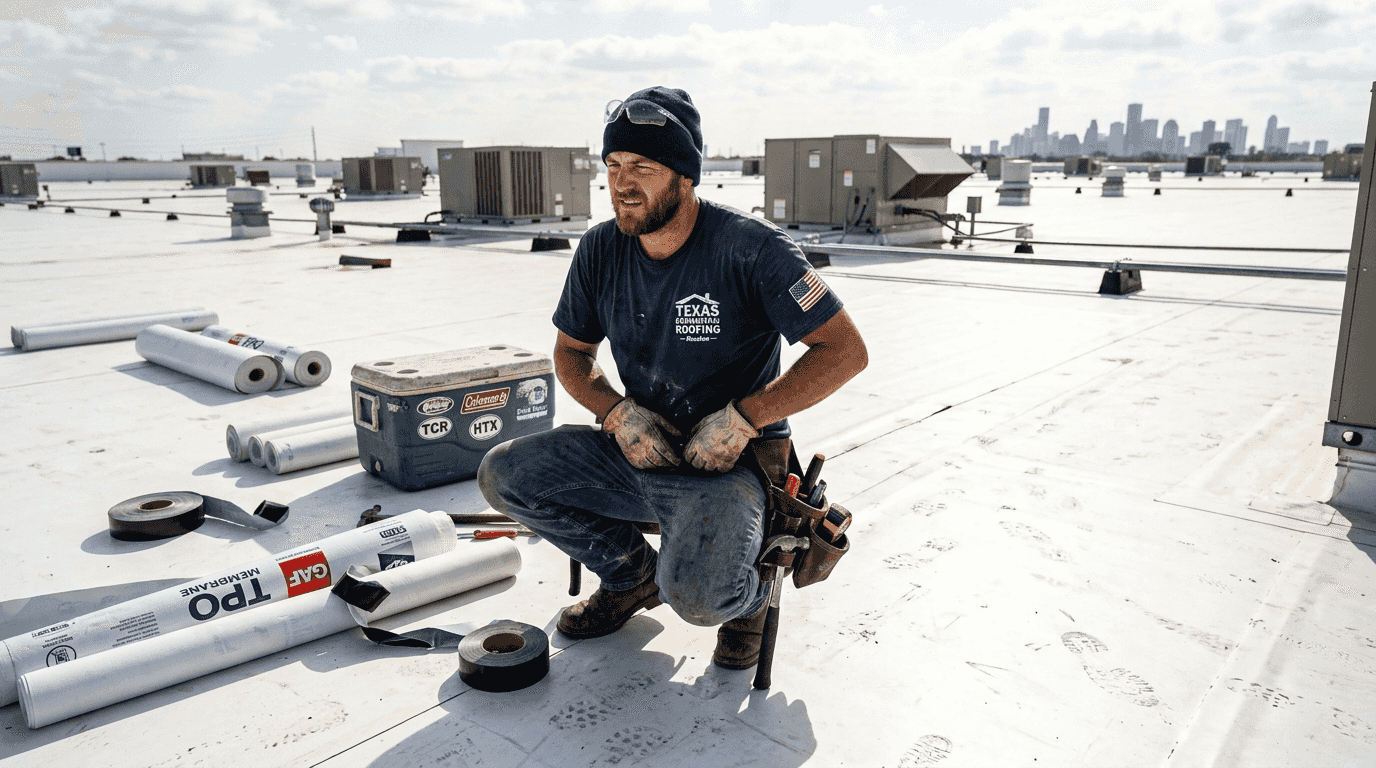
Several roofing systems have emerged as frontrunners in the Texas commercial market, each offering distinct advantages for different building types and budgets. Single-ply roofing continues its dominance, with commercial contractors obtaining 28% of their revenue from these systems. TPO and EPDM membranes lead this category, prized for their balance of cost, durability, and installation efficiency.
TPO roofing has gained particular traction for its heat-reflective properties and resistance to UV degradation. White TPO membranes reflect sunlight effectively, reducing cooling loads in warehouse and retail spaces. EPDM offers excellent weather resistance and flexibility, making it ideal for buildings with frequent rooftop equipment access.
Metal roofing systems appeal to property owners seeking maximum longevity. Standing seam metal roofs can last 40 years or more with minimal maintenance, and their reflective coatings contribute to energy efficiency. While upfront costs run higher than membrane systems, the extended lifespan and low maintenance requirements often justify the investment for long-term property holdings.
Sustainable roofing materials are reshaping the market. The adoption of sustainable materials like bio-based membranes and recycled content is increasing due to rising environmental concerns and regulatory pressures. These materials often qualify for LEED certification points and may unlock tax incentives or utility rebates.
Cool roof systems represent a growing segment, particularly for properties with high cooling demands. These systems use highly reflective materials and specialized coatings to minimize heat absorption. Many Texas building owners report significant energy savings after upgrading to cool roof technology.
Emerging trends worth watching:
- Integrated solar roofing panels that generate power while protecting the building envelope
- Hybrid systems combining multiple materials for optimized performance
- Smart roofing sensors that monitor moisture, temperature, and structural integrity
- Vegetative green roofs for urban properties seeking stormwater management benefits
Explore top commercial roofing materials to understand how each system performs in Texas conditions and which aligns best with your property needs.
Comparing cool roof systems with traditional commercial roofs in Texas
Cool roofing technology delivers measurable advantages over conventional roofing systems, especially in Texas’s intense heat. Understanding these differences helps you evaluate whether cool roofing justifies any additional investment for your property.
Energy performance stands out as the primary benefit. Cool roof systems reduce cooling energy use by 10-30% compared to traditional roofing. This translates to substantial utility savings for warehouses, retail centers, and office buildings with significant air conditioning loads. Peak demand reduction also lowers demand charges on commercial electric bills.
Lifespan advantages compound these savings over time. Cool roofs can have a 20-30% longer lifespan compared to traditional roofing because lower surface temperatures reduce thermal stress and material degradation. This extended service life means fewer replacement cycles and lower lifecycle costs.
| Feature | Cool Roof Systems | Traditional Commercial Roofs |
|---|---|---|
| Energy savings | 10-30% cooling cost reduction | Baseline cooling costs |
| Surface temperature | 50-60°F cooler in summer | Higher heat absorption |
| Lifespan | 20-30% longer due to reduced thermal stress | Standard material lifespan |
| Upfront cost | 10-20% premium for reflective materials | Lower initial investment |
| Maintenance | Similar to traditional systems | Standard maintenance schedule |
Texas climate conditions make cool roofing particularly effective. Summer surface temperatures on dark traditional roofs can exceed 170 degrees, while cool roofs typically stay below 120 degrees. This temperature difference reduces heat transfer into the building and extends material life.
Cost-benefit analysis requires considering your building’s specific characteristics. Properties with older HVAC systems, poor insulation, or high occupancy densities see the greatest returns from cool roofing. Buildings with minimal cooling needs or extensive shade coverage may not justify the premium.
Pro Tip: Calculate your building’s cooling degree days and current energy costs to project potential savings before committing to cool roofing, ensuring the investment aligns with your financial goals.
Learn more about energy efficient roofing benefits and how they apply to different commercial building types across Texas.
Addressing workforce and cost challenges in Texas commercial roofing for 2026
Labor shortages and material cost volatility create significant hurdles for commercial roofing projects in 2026, requiring strategic planning to navigate successfully. A lack of qualified workers remains a notable challenge for commercial roofing contractors, affecting project scheduling and potentially compromising installation quality when contractors stretch thin crews across multiple jobs.
These workforce constraints extend project timelines and reduce scheduling flexibility. You may face longer waits for qualified contractors, especially during peak construction seasons from March through October. Rushed installations by inexperienced crews can lead to warranty issues and premature failures, making contractor selection more critical than ever.
Material costs add another layer of complexity. Increased building material costs represent a significant concern for commercial roofing contractors, with prices fluctuating based on supply chain disruptions, tariffs, and raw material availability. These cost swings make budgeting challenging and can force mid-project adjustments.
Implement these strategies to mitigate workforce and cost challenges:
- Plan roofing projects 6-9 months in advance to secure contractor availability and lock in material pricing where possible.
- Request detailed contractor credentials including licensing, insurance, manufacturer certifications, and recent project references to ensure quality work.
- Consider off-season scheduling (November through February) when contractor availability improves and you may negotiate better rates.
- Explore alternative materials that offer similar performance at lower costs or with better supply chain stability.
- Evaluate phased installation approaches that spread costs across multiple budget cycles while addressing the most critical roof sections first.
- Negotiate material price escalation clauses in contracts to protect against mid-project cost increases on longer installations.
Building strong relationships with reputable contractors pays dividends in tight labor markets. Contractors often prioritize repeat clients when scheduling projects, giving you better access to their best crews and more favorable pricing.
Understanding commercial re-roofing basics helps you communicate effectively with contractors and make informed decisions about project scope, timing, and budget allocation.
Explore expert commercial roofing services in Texas
Navigating 2026’s commercial roofing landscape requires expertise you can trust. Understanding trends and options is valuable, but partnering with experienced professionals ensures your roofing investment delivers lasting protection and performance.
Mister ReRoof specializes in commercial roofing replacements tailored for Texas properties, offering the materials and installation quality that meet 2026’s demanding standards. Their TPO roof replacement services deliver energy efficient solutions ideal for warehouses and commercial buildings seeking lower cooling costs. For maximum durability, explore their metal roof replacement services engineered to withstand decades of Texas weather. Need reliable protection for low-slope buildings? Their flat roof replacement options provide proven performance for retail centers and office complexes. Contact Mister ReRoof today for a free estimate and discover how professional roofing services protect your commercial property investment.
FAQ
What are the most cost-effective commercial roofing materials in 2026?
Single-ply membranes, particularly TPO and EPDM, offer the strongest balance between upfront cost and long-term durability for most Texas commercial properties. Metal roofing systems carry higher initial costs but deliver exceptional value through 40-year lifespans and minimal maintenance requirements. Your most cost-effective choice depends on your building type, budget timeline, and how long you plan to own the property. Review cost-effective commercial roofing materials to compare total lifecycle costs for different systems.
How do sustainable roofing materials impact maintenance needs?
Sustainable roofing materials like bio-based membranes and recycled content systems often require similar maintenance to traditional materials, though some may need specialized cleaning products or inspection protocols. Many sustainable options actually improve roof longevity through enhanced UV resistance and thermal stability, potentially reducing long-term maintenance costs. The reduced environmental impact can also decrease regulatory compliance issues and may qualify your property for green building certifications. Learn about sustainable roofing maintenance requirements and how they compare to conventional systems.
Are cool roofing systems suitable for all commercial buildings in Texas?
Cool roofing systems work effectively for most Texas commercial buildings, but suitability depends on your building’s design, use, and existing HVAC efficiency. Buildings with high cooling loads, older insulation, or significant sun exposure see the greatest benefits from cool roofing technology. Proper installation and material selection are key to maximizing performance, as incorrect application can reduce reflectivity and negate energy savings. Consult roofing professionals to assess your building’s specific characteristics and determine if cool roofing delivers sufficient return on investment. Explore cool roofing suitability factors for different commercial property types across Texas.