Texas homeowners face intense weather risks from hail, scorching heat, and high winds. Not all roofing materials handle these challenges equally. As 2026 brings new innovations in impact resistance, energy efficiency, and smart technology, you can now choose roofing systems that protect your home while cutting costs. This guide walks you through the top roofing trends and materials best suited for Texas, helping you make informed decisions for lasting durability and savings.
Table of Contents
- Impact Resistant Roofing For Texas Storms
- Cool Roofing Systems For Energy Efficiency
- Sustainable And Eco Friendly Roofing Materials
- Smart Roofing Technology And Sensors
- Comparative Analysis Of Popular Roofing Materials
- Common Misconceptions About Roofing Materials
- Practical Guide To Choosing And Maintaining Your 2026 Texas Roof
- Explore Expert Roofing Replacement Services In Texas
Key takeaways
| Point | Details |
|---|---|
| Impact resistance protects against storms | Class 4 shingles resist hail up to 2 inches diameter and can lower insurance premiums by 15%. |
| Cool roofs cut energy bills | Reflective roofing systems reduce cooling costs by up to 25% in Texas heat. |
| Sustainable materials deliver long-term value | Solar integration and recycled materials lower environmental impact and energy expenses. |
| Smart sensors enable proactive maintenance | Early leak detection reduces repair costs up to 30% and extends roof lifespan. |
| Material choice depends on your priorities | Metal, asphalt, and tile roofs each offer different durability, cost, and energy profiles. |
Impact resistant roofing for Texas storms
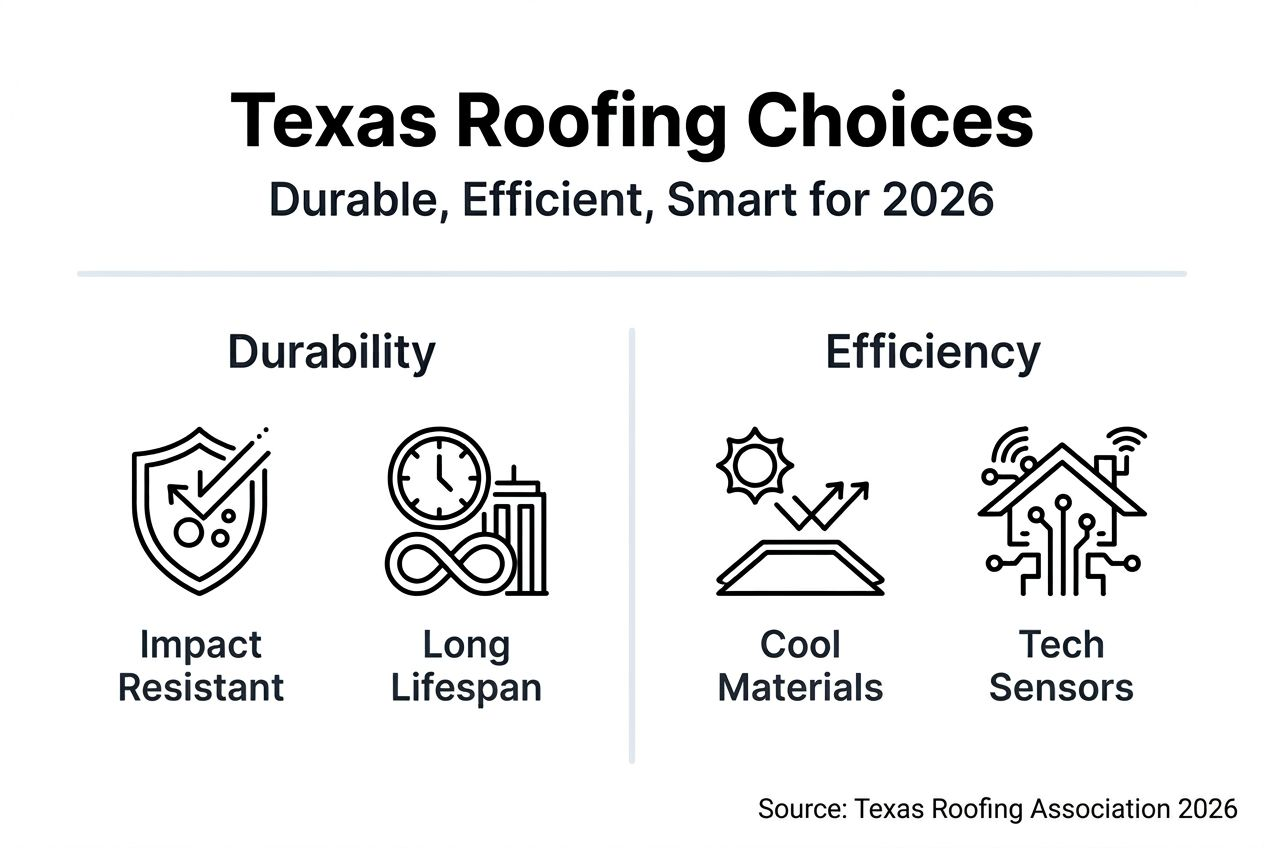
Texas storms bring serious threats to your roof. Hailstones, high winds, and sudden temperature shifts damage standard roofing materials quickly. Class 4 shingles resist hail up to 2 inches and reduce insurance premiums by up to 15%, making them a smart investment for storm prone areas.
Impact resistant materials include several options beyond traditional asphalt. Metal roofing deflects hail damage better than standard shingles. Synthetic materials engineered for impact resistance combine lightweight construction with superior protection. Each option offers distinct advantages depending on your budget and exposure risk.
Insurance companies recognize the value of impact resistant roofs. You qualify for discounts when you install Class 4 rated materials. These savings accumulate over decades, offsetting higher upfront costs. Beyond insurance benefits, impact resistant roofs reduce repair frequency and extend your roof’s functional lifespan.
Wind resistance matters as much as hail protection in Texas. High winds tear off poorly secured shingles, exposing underlayment and decking to water damage. Impact resistant materials typically include enhanced fastening systems and wind ratings up to 130 mph. This combination shields your home during severe weather events.
Pro Tip: Request documentation of your roof’s impact rating from your contractor. Submit this to your insurance provider immediately to secure premium discounts. Some insurers require third party verification before approving rate reductions.
Balancing cost with protection requires careful analysis. Impact resistant shingles cost 10 to 20% more than standard options upfront. However, they last longer and need fewer repairs. Calculate total ownership costs over 20 to 30 years, factoring in insurance savings and reduced maintenance. Many Texas homeowners find the math favors impact resistant materials, especially in hail prone regions like Houston and surrounding areas where durable roofing solutions protect investments. Understanding storm resistance in roofing helps you evaluate options, while Houston weather patterns influence material selection for maximum protection.
Cool roofing systems for energy efficiency
Texas heat drives cooling costs through the roof, literally. Standard dark shingles absorb sunlight, raising attic temperatures to 150°F or higher. Cool roofing systems reflect solar radiation, keeping your home significantly cooler and reducing air conditioning demand.
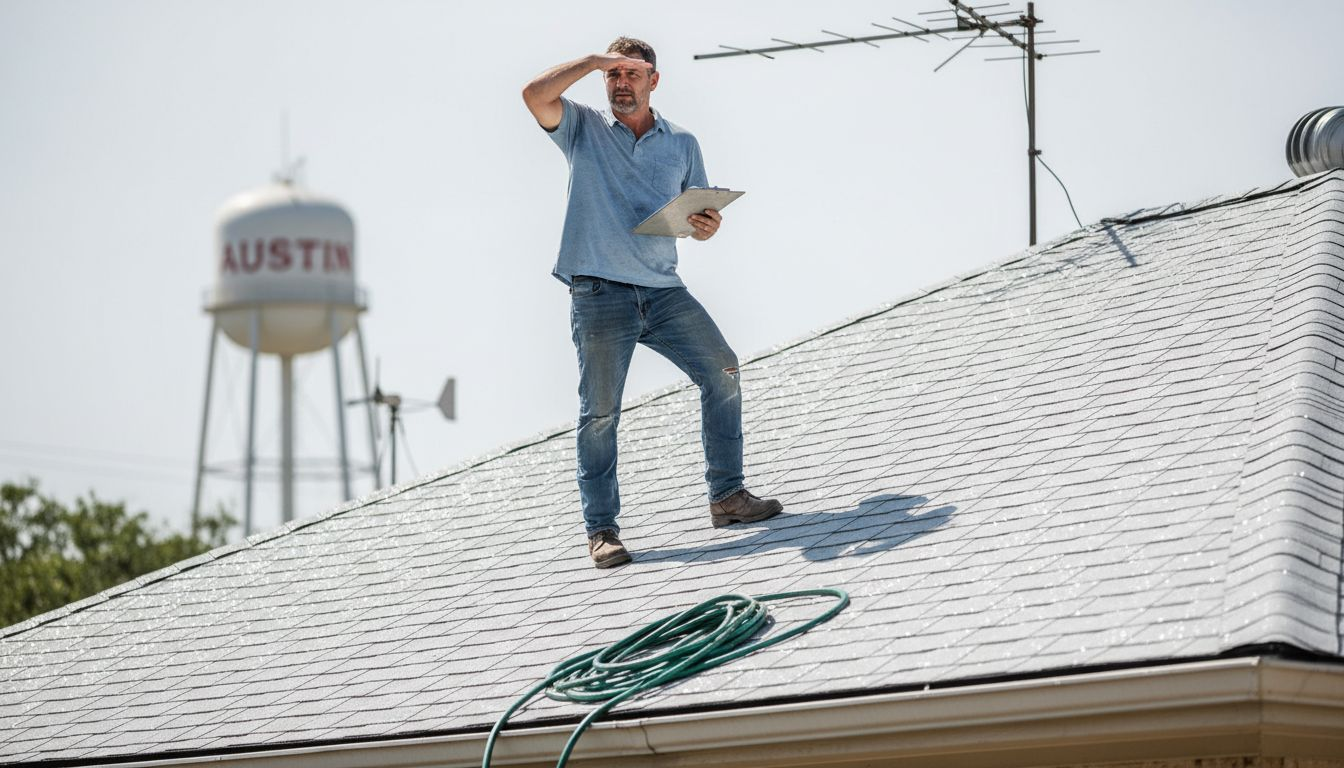
Cool roofs use specialized materials and coatings to reflect sunlight. Reflective shingles feature granules engineered to bounce back solar energy. Metal roofs naturally reflect heat when finished with light colors or reflective coatings. White or light colored membranes on flat roofs provide excellent solar reflectance. These systems lower roof surface temperatures by 50 to 60°F compared to traditional materials.
Energy savings add up quickly in Texas. Cool roofs can reduce cooling costs by up to 25% during summer months. A typical Texas home spending $2,000 annually on cooling saves $500 per year with a cool roof. Over a 20 year lifespan, that’s $10,000 in energy savings. These numbers make cool roofing one of the smartest investments for energy conscious homeowners.
Pro Tip: Combine cool roofing with proper attic insulation and ventilation for maximum energy efficiency. Cool roofs work best when your attic space manages heat effectively through adequate airflow and insulation barriers.
Material options for cool roofing span multiple categories. Asphalt shingles with reflective granules cost only slightly more than standard shingles. Metal roofs offer superior reflectance and durability, though at higher upfront costs. Reflective coatings applied to existing roofs provide a budget friendly upgrade path. Each option delivers measurable energy savings in Texas climates.
Local climate considerations affect cool roof performance. Houston’s humidity differs from El Campo’s drier conditions. Coastal areas face salt air exposure that influences material selection. Work with experienced contractors who understand these regional factors. They recommend cool roofing systems optimized for your specific location, maximizing both durability and energy efficiency. Explore durable roofing solutions that combine cooling benefits with longevity, and learn how metal roofs deliver benefits and savings specific to Texas conditions.
Sustainable and eco friendly roofing materials
Environmental responsibility drives roofing innovation in 2026. Sustainable materials reduce your carbon footprint while delivering practical benefits. Solar integrated roofs, recycled shingles, and green roofing systems offer compelling options for eco conscious Texas homeowners.
Solar roofing technology has advanced significantly. Integrated solar shingles blend seamlessly with traditional roofing materials, maintaining your home’s aesthetic appeal. These systems generate electricity while protecting your home, potentially reducing energy bills by up to 40%. Federal tax credits and state incentives make solar roofing financially attractive, though upfront costs remain higher than conventional options.
Recycled roofing materials divert waste from landfills while performing comparably to virgin materials. Recycled rubber shingles mimic slate or wood shake appearance at lower costs. Recycled metal roofing uses post consumer materials without sacrificing durability. Clay and concrete tiles increasingly incorporate recycled content. These options appeal to homeowners prioritizing environmental stewardship.
Green roofs represent the ultimate sustainable choice for flat or low slope applications. Living vegetation layers provide natural insulation, reduce stormwater runoff, and combat urban heat island effects. Green roofs cool surrounding air temperatures and create habitats for local wildlife. They require more maintenance than traditional roofs and need structural reinforcement to support soil and plant weight.
Material longevity influences sustainability. A roof lasting 50 years produces less waste than one requiring replacement every 20 years. Metal and tile roofing materials offer exceptional lifespans, making them inherently sustainable despite higher embodied energy in manufacturing. Consider total lifecycle impacts when evaluating eco friendly options.
Structural and maintenance requirements vary significantly among sustainable materials. Solar roofs need electrical integration and occasional panel cleaning. Green roofs demand irrigation systems and regular vegetation management. Recycled shingles install like conventional materials with minimal special requirements. Factor these considerations into your decision making process to ensure your sustainable choice remains practical for your situation. Understanding sustainability in commercial roofing principles applies equally to residential projects, helping you evaluate environmental impacts alongside performance.
Smart roofing technology and sensors
Technology transforms roofing from passive protection to active monitoring. Smart sensors embedded in roofing systems detect problems before they become visible, saving thousands in repair costs. This proactive approach extends roof lifespan and prevents interior damage from undetected leaks.
Moisture sensors represent the most valuable smart roofing technology. These devices detect water infiltration immediately, alerting you via smartphone app. Early detection prevents rot, mold growth, and structural damage. You address small leaks before they compromise insulation, drywall, or framing. This capability alone justifies the sensor investment for many homeowners.
Temperature monitoring reveals performance issues and energy inefficiencies. Sensors track attic and roof surface temperatures, identifying hot spots that indicate inadequate ventilation or insulation failures. This data helps you optimize your cooling strategy and maintain comfortable indoor temperatures. Some systems integrate with smart home platforms, adjusting HVAC settings automatically based on roof temperature data.
Pro Tip: Install smart sensors during roof replacement for seamless integration. Retrofitting sensors onto existing roofs costs more and may void warranties. Plan ahead to incorporate monitoring technology from day one.
Smart technology reduces repair costs significantly. Studies show early leak detection cuts repair expenses by up to 30% compared to discovering damage during routine inspections. You avoid emergency repairs and protect belongings from water damage. Insurance claims decrease when smart systems prevent major incidents.
Integration capabilities expand smart roofing value. Sensors communicate with weather stations, providing alerts before severe storms. They trigger automatic protective measures like closing skylights or adjusting ventilation. Future developments include predictive maintenance algorithms that schedule inspections based on wear patterns rather than arbitrary timelines. These advances make smart roofing increasingly attractive for tech savvy Texas homeowners seeking maximum control over their home protection systems.
Comparative analysis of popular roofing materials
Choosing the right roofing material requires understanding performance characteristics, costs, and suitability for Texas conditions. Metal, asphalt shingles, and clay or concrete tiles dominate the market, each offering distinct advantages.
| Material | Lifespan | Cost Range | Impact Resistance | Energy Efficiency | Best For |
|---|---|---|---|---|---|
| Metal | 40 to 70 years | High | Excellent | Superior reflectance | Long term value, coastal areas |
| Class 4 Asphalt | 15 to 30 years | Low to Medium | Good to Excellent | Moderate with cool options | Budget conscious, quick installation |
| Clay/Concrete Tile | 50 to 100 years | High | Good | Excellent thermal mass | Mediterranean style, permanence |
Metal roofing delivers exceptional longevity and weather resistance. Steel and aluminum panels withstand hail, high winds, and UV exposure without degrading. They reflect solar radiation effectively, especially with reflective coatings or light colors. Metal roofs cost more upfront but require minimal maintenance over decades. They suit homeowners prioritizing durability and energy efficiency over initial expense.
Class 4 asphalt shingles balance affordability with solid performance. Modern impact resistant shingles protect against hail damage while maintaining traditional aesthetics. Cool roof options with reflective granules improve energy efficiency. Installation costs remain lower than metal or tile. These shingles work well for homeowners needing reliable protection within budget constraints.
Clay and concrete tiles offer unmatched longevity and distinctive appearance. Their thermal mass moderates temperature swings, reducing energy demands. Tiles resist rot, insects, and fire. However, their weight requires structural reinforcement in many homes. Installation labor costs run higher due to specialized skills needed. Tiles suit homeowners valuing permanence and willing to invest in structural upgrades.
Consider total ownership costs beyond purchase price. A metal roof costing $15,000 lasting 50 years costs $300 annually. Asphalt shingles at $8,000 lasting 20 years cost $400 annually, plus replacement labor. Factor in energy savings, maintenance expenses, and insurance discounts. This comprehensive analysis often favors premium materials despite higher initial investments.
Climate exposure influences material selection significantly. Coastal areas face salt air corrosion requiring marine grade metal or specially treated materials. Inland regions experience more extreme temperature swings favoring thermal mass materials like tile. Hail prone zones demand impact resistance above all else. Match your material choice to your specific environmental challenges for optimal performance. Learn more about upgrading your roofing system for durability and savings, understand how quality roofing affects lifespan and savings, and explore metal roof benefits specific to Texas for informed decisions.
Common misconceptions about roofing materials
Misunderstandings about roofing materials lead to poor decisions and wasted money. Clarifying these myths helps you evaluate options accurately and avoid costly mistakes.
Many homeowners believe all asphalt shingles perform identically. This assumption ignores significant quality differences. Basic three tab shingles offer minimal protection and short lifespans. Architectural shingles provide better durability and aesthetics. Class 4 impact resistant shingles deliver superior storm protection and energy efficiency options. Treating all asphalt shingles as equivalent overlooks these crucial distinctions.
Solar tiles carry misconceptions about weight and structural requirements. Some homeowners assume solar integration always demands expensive reinforcement. Modern solar shingles weigh comparably to premium asphalt shingles in many cases. However, older solar panel systems and some integrated tiles do require structural evaluation. Consult structural engineers before assuming your home needs costly upgrades. Many residential structures handle solar roofing without modification.
Green roof myths discourage homeowners from considering this sustainable option. People assume green roofs demand constant maintenance and inevitably leak. Properly designed green roofs with quality waterproof membranes perform reliably for decades. Maintenance involves seasonal plant care and irrigation management, similar to landscaping. However, green roofs do need more attention than traditional materials and require robust structural support. Understanding actual requirements rather than myths helps you evaluate whether green roofing suits your situation.
Metal roofing noise concerns persist despite modern installation techniques. Homeowners worry about rain drumming loudly on metal surfaces. Proper installation with solid decking, insulation, and underlayment eliminates noise issues. Metal roofs installed correctly sound no louder than asphalt shingles during storms. This outdated concern shouldn’t disqualify metal from consideration.
Misunderstandings about material costs focus solely on installation prices. Comparing initial expenses without considering lifespan, maintenance, energy savings, and insurance discounts produces misleading conclusions. A cheaper roof costing more over its lifetime represents poor value. Accurate cost comparisons account for total ownership expenses across expected service life, revealing that premium materials often deliver better financial returns than budget options.
Practical guide to choosing and maintaining your 2026 Texas roof
Selecting the right roof requires systematic evaluation of your needs, risks, and priorities. This framework guides you through the decision process and essential maintenance practices.
-
Assess your weather exposure risks. Review local hail frequency, wind speeds, and heat intensity data. Coastal homeowners prioritize corrosion resistance. Inland areas focus on hail protection. Urban environments benefit most from cool roofing.
-
Define your energy efficiency goals. Calculate current cooling costs and potential savings from reflective roofing. Compare payback periods for cool roof options against your budget. Factor in utility rate trends and climate projections.
-
Evaluate material durability and lifespan. Match material longevity to your homeownership timeline. Consider maintenance requirements and your willingness to perform or pay for upkeep. Balance initial costs against total ownership expenses.
-
Explore smart technology integration. Decide whether proactive monitoring justifies sensor costs for your situation. Consider integration with existing smart home systems. Evaluate alert capabilities and monitoring platforms.
-
Select certified, experienced contractors. Verify Texas licensing and insurance coverage. Check references from recent projects in your area. Confirm familiarity with your chosen materials and local building codes.
-
Plan regular maintenance schedules. Inspect roofs twice yearly and after major storms. Clear debris from valleys and gutters. Trim overhanging branches. Address minor issues immediately before they escalate.
Pro Tip: Document your roof’s condition with photos during installation and at each inspection. This visual record helps identify gradual changes and supports warranty claims or insurance documentation if damage occurs.
Maintenance practices vary by material but share common elements. All roofs benefit from keeping gutters clear and ensuring proper attic ventilation. Metal roofs need periodic fastener checks and coating touch ups. Tile roofs require replacing broken pieces promptly. Asphalt shingles benefit from moss prevention in shaded areas. Smart sensors reduce inspection frequency by providing continuous monitoring between scheduled checks.
Working with qualified contractors protects your investment. Texas building codes include specific requirements for wind resistance, fire ratings, and installation methods. Experienced contractors navigate these regulations while optimizing performance. They source quality materials, provide accurate warranties, and stand behind their work. Cutting corners with unlicensed installers risks code violations, voided warranties, and premature failures. For comprehensive guidance, review this Texas roof maintenance checklist to keep your investment protected year round.
Explore expert roofing replacement services in Texas
Protecting your Texas home starts with choosing the right roofing partner. After learning about impact resistant materials, cool roofing systems, and smart technology, you need experienced professionals who bring these solutions to life.
Professional installation ensures your roof withstands Texas weather extremes. Certified contractors understand regional challenges from coastal humidity to inland hail zones. They follow Texas building codes precisely, securing permits and passing inspections. Whether you need shingle roof replacement in Sugar Land, metal roof replacement in Victoria, or comprehensive roof replacement in El Campo, expert guidance matches materials to your specific needs and budget. Quality workmanship transforms the trends and technologies discussed here into lasting protection for your property.
FAQ
What roofing materials best resist Texas hail?
Class 4 impact resistant shingles and metal roofing provide the best hail protection for Texas homes. These materials withstand hailstones up to 2 inches in diameter, significantly reducing damage risks during severe storms.
How much can cool roofs reduce my energy bills in Texas?
Cool roofs can lower cooling costs by up to 25% in Texas’ hot climate. Reflective coatings and specialized materials reduce heat absorption, keeping your home cooler and decreasing air conditioning demand throughout long summer months.
What maintenance does a green roof require in Texas?
Green roofs need regular inspections and irrigation to maintain plant health and system performance. Structural support checks are essential due to added weight from soil and vegetation. Seasonal plant care and membrane inspections ensure longevity.
How do smart roofing sensors help prolong roof life?
Sensors monitor leaks and temperature changes, alerting homeowners immediately when problems develop. Early detection prevents minor issues from becoming major damage, reducing repair costs up to 30% and extending your roof’s functional lifespan significantly.