Replacing your roof in Houston can feel overwhelming, especially with unpredictable storms and heat threatening the safety of your home. Most homeowners worry about choosing the right materials, finding trustworthy contractors, and making decisions that actually hold up against local weather. If you want a roof that truly protects your property for years to come, knowing what steps matter most is crucial.
This guide walks you through actionable insights backed by expert recommendations and proven methods for Houston’s climate. You’ll discover practical tips that take the guesswork out of roof replacement, from storm damage assessment to choosing durable materials and verifying professional credentials. Get ready to learn smart strategies that make the process clear and help you avoid expensive mistakes.
Table of Contents
- 1. Assess Your Roof for Storm Damage First
- 2. Choose Materials Built for Houston Weather
- 3. Compare Roofing Contractors’ Credentials
- 4. Understand Warranties and Insurance Coverage
- 5. Prepare Your Home and Property for Installation
- 6. Ask About Ventilation and Proper Drainage
- 7. Plan for Long-Term Roof Maintenance
Quick Summary
| Key Insight | Clarification |
|---|---|
| 1. Regularly Inspect Your Roof | Conduct systematic roof inspections after storms to identify damage early and prevent costly repairs. |
| 2. Choose Weather-Resistant Materials | Opt for roofing materials that can withstand Houston’s extreme weather, prioritizing long-term durability. |
| 3. Verify Contractor Credentials | Always check the qualifications of roofing contractors to ensure expertise and proper installation practices. |
| 4. Understand Warranties Fully | Review warranty details thoroughly to avoid gaps in coverage that could cost you during repairs. |
| 5. Schedule Ongoing Maintenance | Implement a maintenance routine with professional inspections to extend the life of your roof and prevent issues. |
1. Assess Your Roof for Storm Damage First
After a severe storm sweeps through Houston, your roof becomes the first line of defense for your home. Identifying potential storm damage quickly can prevent costly long-term repairs and protect your property’s structural integrity.
Storm damage assessment requires a systematic approach that goes beyond casual visual inspection. The FEMA Damage Assessment Operations Manual recommends carefully examining multiple aspects of your roofing system for potential vulnerabilities. Look for telltale signs like missing or curled shingles, puncture marks, granule loss on asphalt shingles, and areas where the roofing material appears lifted or compromised.
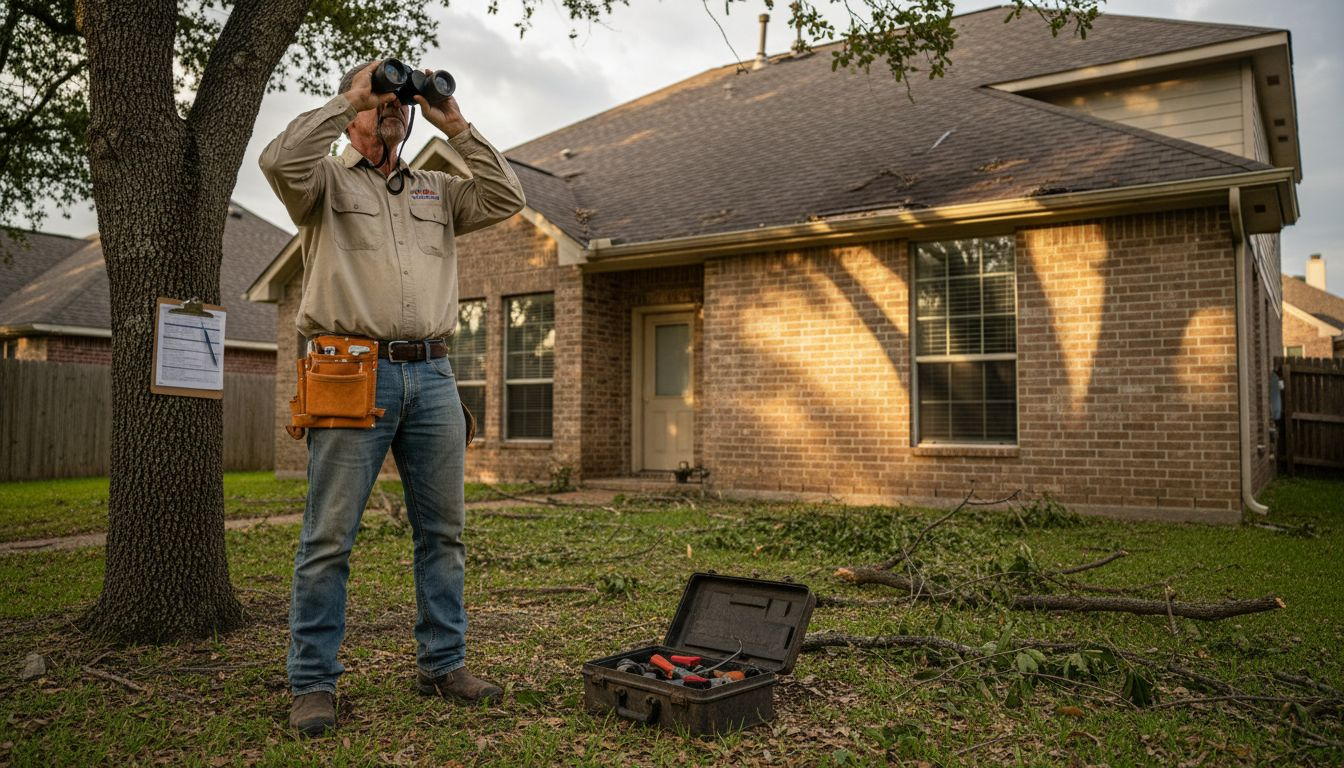
Start your inspection from the ground level first. Use binoculars to scan your roof for visible damage without risking personal safety. Check for debris accumulation, torn or displaced shingles, and any areas that look uneven or discolored. Pay special attention to roof edges, valleys, and areas around chimneys or skylights where storm damage often first manifests.
If you notice significant damage or are unsure about your assessment, contact a professional roofing contractor who can perform a comprehensive roof damage evaluation. Professional inspectors have the expertise to identify subtle damage that might not be immediately apparent to homeowners.
Pro tip: Document every aspect of storm damage with clear photographs from multiple angles, which can be crucial for insurance claims and future repair assessments.
2. Choose Materials Built for Houston Weather
Houston homeowners face unique roofing challenges with extreme weather conditions that demand smart material selection. Your roof must withstand intense heat, sudden storms, and potential hail impacts while maintaining long term durability.
When selecting roofing materials, understanding local climate requirements is crucial. Roofing materials suitable for Houston range from traditional asphalt shingles to more advanced metal and synthetic options. The FORTIFIED Roof program recommends materials specifically engineered to resist high winds and severe weather patterns common in the Gulf Coast region.
Asphalt shingles remain the most popular choice for Houston homes, offering a balance between affordability and performance. However, metal roofing has gained significant traction due to its superior durability and ability to reflect solar radiation. Metal roofs can significantly reduce cooling costs and provide exceptional protection against storm damage.
Consider impact resistant materials rated for wind speeds up to 130 miles per hour. Look for roofing products with UL 2218 Class 4 ratings that demonstrate superior hail resistance. These materials might cost more upfront but can save thousands in potential repair expenses and provide critical protection for your home.
Pro tip: Request material samples and wind resistance certifications before making your final roofing material selection to ensure maximum protection against Houston’s unpredictable weather patterns.
3. Compare Roofing Contractors’ Credentials
Selecting the right roofing contractor in Houston is more than just comparing prices. Your home’s protection depends on choosing a professional with verified expertise and recognized credentials.
Professional credentials demonstrate a contractor’s commitment to quality and ongoing education. Professional roofing contractor qualifications go beyond basic licensing and include specialized certifications that indicate advanced training and industry recognition. The International Institute of Building Enclosure Consultants offers credentials like Registered Roof Observers and Registered Roof Consultants that signify deep technical knowledge.
When evaluating potential contractors, request and verify specific credentials. Look for FORTIFIED Wise Roofing Contractor certification which indicates specialized training in storm resistant installation techniques. Check for current state licensing, insurance documentation, and professional memberships in recognized industry associations.
Key credentials to examine include general contractor licenses, workers compensation insurance, liability coverage, and manufacturer certifications from roofing material producers. These documents protect you from potential liability and demonstrate the contractor’s professional standing. Request copies of these credentials and verify their current status with issuing organizations.
Pro tip: Request references from at least three previous clients and independently verify the contractor’s credentials through state licensing boards and professional associations before signing any agreement.
4. Understand Warranties and Insurance Coverage
Roof replacement represents a significant investment for Houston homeowners, making comprehensive warranty and insurance coverage critical for protecting your financial commitment. Understanding the nuanced details of these protections can save you thousands in potential repair costs.
Warranties for roofing come in multiple layers of protection. Comprehensive roofing warranty details typically include material warranties from manufacturers and workmanship warranties from contractors. Material warranties might cover defective shingles or roofing components, while workmanship warranties protect against installation errors.
Homeowners insurance plays a crucial role in managing roof replacement risks. Standard policies often cover damage from sudden events like hurricanes, windstorms, and hail. However, coverage depends on your roof’s age, maintenance history, and specific policy terms. Older roofs might have limited coverage or require additional riders to ensure full protection.
Carefully review warranty terms and insurance policy language. Look for total system warranties that cover both materials and labor. Pay special attention to exclusions, prorated reduction schedules, and specific conditions that might void your coverage. Some warranties require regular professional inspections or maintenance to remain valid.
Pro tip: Request a written summary of all warranty and insurance coverage details, and schedule an annual professional roof inspection to maintain your protection status and document your roof’s condition.
5. Prepare Your Home and Property for Installation
Roof replacement is an invasive home improvement project that requires careful preparation to protect your property and ensure a smooth installation process. Strategic planning can minimize disruption and potential damage during the roof replacement.
Start by thoroughly preparing your property for roofing installation. Clear the area surrounding your home of valuable landscaping, outdoor furniture, and portable items. Create a wide perimeter around your house to give contractors safe and unobstructed access to work zones.
Protect your interior spaces by removing wall hangings and securing fragile items on shelves. Vibrations from roofing work can cause items to fall or shift, so take precautions. Cover attic items with drop cloths to prevent dust and debris from settling on your belongings. Notify your neighbors about the upcoming project to manage expectations and minimize potential inconveniences.
Ensure vehicle access and parking for roofing trucks and equipment. If you have a gated property, make arrangements for contractor entry. Remove satellite dishes, solar panels, or other roof mounted equipment beforehand. Consider relocating pets during installation to reduce their stress and prevent interference with the work.
Pro tip: Take photographs of your property before work begins to document the initial condition and create a baseline for assessing any potential accidental damage during the roofing project.
6. Ask About Ventilation and Proper Drainage
Roof ventilation and drainage are critical components often overlooked during roof replacement but can significantly impact your home’s long term performance and structural integrity. Proper systems protect against moisture damage and extend the life of your roofing investment.
Understanding the technical aspects of roof ventilation and drainage systems helps homeowners make informed decisions. Effective ventilation requires a balanced approach with proper intake and exhaust vents. In Houston’s humid climate, this means creating consistent airflow that prevents heat and moisture buildup in your attic space.
Drainage design is equally important. Your roofing contractor should explain how water will be directed away from your home. This includes discussing gutter systems, downspouts, and roof slope to ensure water moves quickly and efficiently. Look for tapered insulation and proper flashing techniques that prevent water pooling and potential leaks.
Specifically for Houston homes, consider drainage solutions that can handle sudden intense rainstorms. Ask about additional water management features like scuppers, additional drainage points, and how the roof design will prevent water intrusion during heavy weather events.
Pro tip: Request a detailed schematic of your roof’s ventilation and drainage plan during the initial consultation to fully understand how water and air will move through your roofing system.
7. Plan for Long-Term Roof Maintenance
Your new roof represents a significant investment that requires strategic ongoing care to maximize its lifespan and performance. Proactive maintenance is the key to protecting your home and avoiding costly unexpected repairs.
Developing a comprehensive maintenance strategy starts with understanding your specific roofing system. Roof maintenance best practices include scheduling professional inspections at least twice annually and after significant weather events. Pay special attention to Houston’s unique climate challenges like extreme heat, sudden storms, and potential hail damage.
Create a detailed maintenance log that tracks inspections, repairs, and any observed changes in your roofing system. Document everything with photographs and professional assessment reports. Watch for early warning signs like loose shingles, granule loss, minor leaks, or areas of potential water intrusion. Address these issues quickly to prevent more extensive damage.
Consider developing a relationship with a trusted local roofing contractor who understands Houston’s specific environmental challenges. They can provide tailored advice about maintenance schedules, potential vulnerabilities, and preventative strategies specific to your home’s roofing system.
Pro tip: Set calendar reminders for biannual roof inspections and maintain a dedicated folder with all roofing documentation, including warranty information, inspection reports, and repair records.
Below is a comprehensive table summarizing the key recommendations and strategies for roof assessments, materials selection, and maintenance as discussed in the article.
| Topic | Description | Key Recommendations |
|---|---|---|
| Roof Assessment | Evaluate the roof after storms for visible damage. | Conduct inspections starting at ground level using binoculars. Photograph any damage for records. |
| Material Selection | Choose roofing materials suitable for Houston’s climate. | Consider options like asphalt shingles and metal roofing; prioritize impact-resistant materials with certifications. |
| Contractor Selection | Research and compare contractors for the best choice. | Verify licenses, certifications, and references. Opt for professionals with storm-resistant installation expertise. |
| Warranties and Insurance | Understand protections for replacements and repairs. | Read and examine warranty details and insurance policy terms, ensuring full coverage. |
| Preparation for Installation | Ready the property and household for roofing work. | Clear surroundings, secure interior items, and ensure contractor access for a smooth process. |
| Ventilation and Drainage | Ensure proper systems are in place for roofing integrity. | Request plans detailing airflow and water management features for the roof to prevent damage. |
| Long-Term Maintenance | Establish upkeep routines for roofing longevity. | Schedule biannual inspections and document all actions for reference. |
This table condenses the article’s comprehensive advice into actionable insights and suggestions for each key area of focus.
Protect Your Houston Home with Expert Roof Replacement Solutions
Storm damage, extreme heat, and intense rainfall pose real threats to your roof’s durability and your family’s safety. This article highlights how Houston homeowners can identify issues early, select weather-resistant materials, and ensure top-quality installation and ventilation. Don’t risk costly repairs or incomplete warranties by trusting just anyone with your roof—get professional help tailored for Houston’s unique climate challenges.
At Mister ReRoof, we specialize in high-quality residential and commercial roof replacement services designed specifically to withstand Houston’s harsh weather. From impact-resistant shingles to advanced metal and TPO roofing systems we cover all bases to protect your home long term. Explore our proven expertise, verifiable credentials, and customer-first approach at Mister ReRoof. Ready for a free estimate or a thorough roof inspection? Visit https://misterreroof.com today and take the critical first step toward a safer, more durable roof.
Frequently Asked Questions
How can I assess my roof for storm damage after a severe storm?
To assess your roof for storm damage, start with a thorough visual inspection using binoculars to identify missing or curled shingles, puncture marks, and granule loss. Document any damage with clear photographs and consider contacting a professional for a comprehensive evaluation to uncover hidden issues.
What roofing materials are best suited for Houston’s climate?
For Houston’s climate, materials such as asphalt shingles, metal roofing, and synthetic options are recommended for their durability and heat resistance. Choose materials that can withstand high winds and hail impacts, and consider options with impact resistance ratings to ensure long-term protection.
How should I compare roofing contractors before hiring one?
To compare roofing contractors, verify their credentials, including licensing, insurance documentation, and specialized certifications. Request references from previous clients, and check these credentials against local licensing boards and professional associations to ensure you are selecting a qualified contractor.
What types of warranties should I look for in a roofing system?
Look for two main types of warranties: material warranties from manufacturers and workmanship warranties from contractors. Ensure that the warranties cover both defects and installation errors, and pay attention to any exclusions that may apply.
How can I prepare my home for a roof replacement project?
To prepare for roof replacement, clear the surrounding area of outdoor furniture and valuables, and protect your interior by securing fragile items and covering attic belongings. Inform neighbors about the project to manage expectations and ensure unobstructed access for contractors.
What maintenance should I schedule after a roof replacement?
After a roof replacement, schedule professional roof inspections at least twice a year and after significant weather events. Keep a detailed maintenance log to track inspections, repairs, and any changes in your roofing system to avoid costly surprises in the future.