
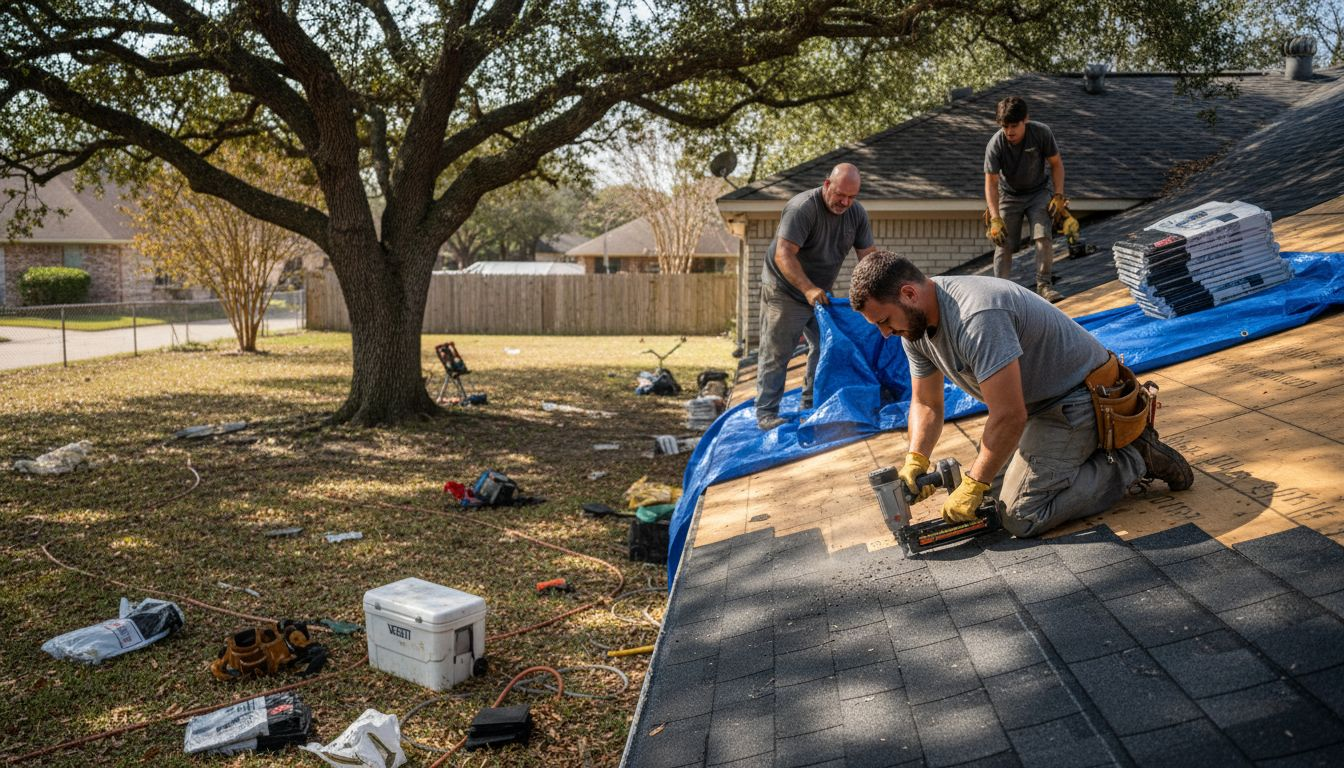
Every year, severe storms force thousands of American families in Houston to replace their roofs and restore peace of mind. Those sudden Texas downpours and hail make roof installation more than just a home upgrade, it is a safeguard for your investment and loved ones. Understanding each step before starting puts you in control, from choosing materials to navigating local safety rules, so you can avoid surprises and costly mistakes.
Table of Contents
- Defining The Roof Installation Process
- Types Of Roofing Systems For Houston Homes
- Step-By-Step Roof Installation Breakdown
- Houston Permitting And Safety Requirements
- Costs, Common Mistakes, And What To Avoid
Key Takeaways
| Point | Details |
|---|---|
| Understand the Installation Process | Familiarize yourself with the roof installation steps to make informed decisions during roof replacement or installation. |
| Select Appropriate Materials | Choose roofing materials that meet Houston’s environmental challenges, ensuring durability and performance. |
| Adhere to Permitting and Safety Standards | Follow local permitting regulations and safety protocols to ensure compliance and protect workers during roof installation. |
| Avoid Common Installation Mistakes | Recognize typical errors such as improper flashing and insufficient roof slope to avoid costly repairs and maintain structural integrity. |
Defining the Roof Installation Process
Roof installation represents a complex, systematic process crucial for protecting Houston homes from extreme weather conditions. Understanding the fundamental steps ensures homeowners make informed decisions when replacing or installing a new roof. Domestic roof construction involves multiple critical stages that require precision and expertise.
The process begins with structural preparation, which includes evaluating the existing roof framework and ensuring a stable foundation for new materials. Framing typically involves installing rafters or prefabricated wooden trusses that serve as the primary structural support. Professionals carefully attach these components using specialized connector plates, creating a robust base that can withstand Houston’s challenging climate.
After framing, the next critical stage involves creating a proper nailing surface and implementing essential ventilation systems. Roof sheathing installation requires strategic fastening techniques, with nails placed carefully at panel edges and support points to prevent deflection. Underlayment materials like roofing felt are then applied to provide an additional moisture barrier, protecting the roof’s structural integrity against potential water damage.
The final phase focuses on installing the primary roofing material, which might include shingles, metal panels, or specialized systems designed for Houston’s unique environmental challenges. Each material requires specific application methods following manufacturer recommendations to guarantee optimal performance and longevity.
Pro tip: Always schedule roof installations during mild weather conditions to ensure proper material settling and optimal worker safety.
Types of Roofing Systems for Houston Homes
Houston homeowners face unique roofing challenges due to the city’s extreme weather conditions, requiring careful selection of roofing materials with robust characteristics. The region’s combination of intense heat, frequent storms, and potential hurricane activity demands roofing systems that can withstand significant environmental stress while maintaining structural integrity and energy efficiency.
The primary roofing systems suitable for Houston homes include asphalt shingles, metal roofing, clay tiles, and specialized flat roof configurations. Asphalt shingles remain the most popular option due to their cost-effectiveness and moderate durability. Metal roofing has gained significant traction in recent years, offering superior wind resistance and reflective properties that help mitigate Houston’s intense solar radiation. Clay tiles provide excellent aesthetic appeal and natural heat resistance, making them particularly attractive for homes seeking both performance and traditional architectural style.
Roof structure designs play a crucial role in determining overall system performance. Hip roofs, for instance, offer greater wind stability compared to traditional gable designs, making them ideal for hurricane-prone regions like Houston. Flat roofs, while less common in residential settings, provide unique advantages for modern architectural styles and can accommodate solar panel installations or rooftop garden spaces when properly engineered.
Each roofing system presents distinct advantages and considerations. Homeowners must evaluate factors such as initial installation costs, long-term maintenance requirements, energy efficiency ratings, and compatibility with Houston’s specific climatic challenges. Professional consultation can help identify the most appropriate roofing solution tailored to individual property characteristics and performance expectations.
Here’s a summary comparing key roofing systems suitable for Houston homes:
| Roofing System | Main Benefit | Typical Lifespan | Suitability in Houston |
|---|---|---|---|
| Asphalt Shingles | Affordable, easy to install | 15-30 years | Good for moderate weather |
| Metal Roofing | Highly wind resistant | 40-70 years | Excellent for hurricanes |
| Clay Tiles | Superior heat resistance | 50+ years | Ideal for hot climates |
| Flat Roof Systems | Supports solar/garden | 20-40 years | Best for modern designs |
Pro tip: Consider scheduling a professional roof assessment during mild weather seasons to accurately evaluate your home’s specific roofing requirements and potential system upgrades.
Step-by-Step Roof Installation Breakdown
The roof installation process requires meticulous planning and execution, particularly in Houston’s challenging climate. Roof installation techniques demand precision and attention to multiple critical stages that ensure long-term structural integrity and weather resistance.
The initial preparation phase involves comprehensive structural assessment. Professionals first inspect the existing roof decking, checking for any signs of damage, rot, or structural weakness. This critical evaluation determines whether repairs or complete replacement are necessary. Contractors will shim and block rafters or trusses to create a level nailing surface, ensuring a stable foundation for subsequent installation steps. Proper attic ventilation becomes paramount during this stage, with careful adherence to local building codes to prevent moisture accumulation and potential structural degradation.
Next, roof sheathing installation requires strategic fastening techniques. Panels are carefully positioned and secured with precisely spaced nails, with special attention paid to edge and intermediate support points. The goal is to minimize panel deflection and create a rigid, uniform surface. Underlayment application follows, typically using roofing felt or synthetic materials that provide an additional moisture barrier. Critical moisture protection steps include installing flashing around roof penetrations such as chimneys, vents, and sidewalls to prevent potential water intrusion.
The final stage involves installing the primary roofing material, which requires strict adherence to manufacturer guidelines. This process includes precise placement, secure fastening, and ensuring proper overlap between roofing components. Houston’s extreme weather conditions demand extra care during this phase, with installation techniques designed to maximize wind resistance and prevent potential storm damage.
Pro tip: Document each installation stage with photographs and maintain a detailed project log to track potential warranty requirements and future maintenance needs.
Houston Permitting and Safety Requirements
Navigating the complex landscape of roof installation in Houston requires a thorough understanding of local permitting regulations. Homeowners and contractors must meticulously adhere to specific guidelines established by the Harris County Office of the County Engineer and Houston Permitting Center to ensure legal compliance and maintain high construction standards.
The permit application process involves several critical steps. Contractors must submit detailed project plans that comprehensively outline structural design, material specifications, and stormwater management strategies. These submissions are rigorously reviewed to verify compliance with local building codes, fire safety standards, and environmental regulations. The approval process typically requires multiple inspections during various stages of roof installation, ensuring that every aspect of the project meets Houston’s stringent construction requirements.
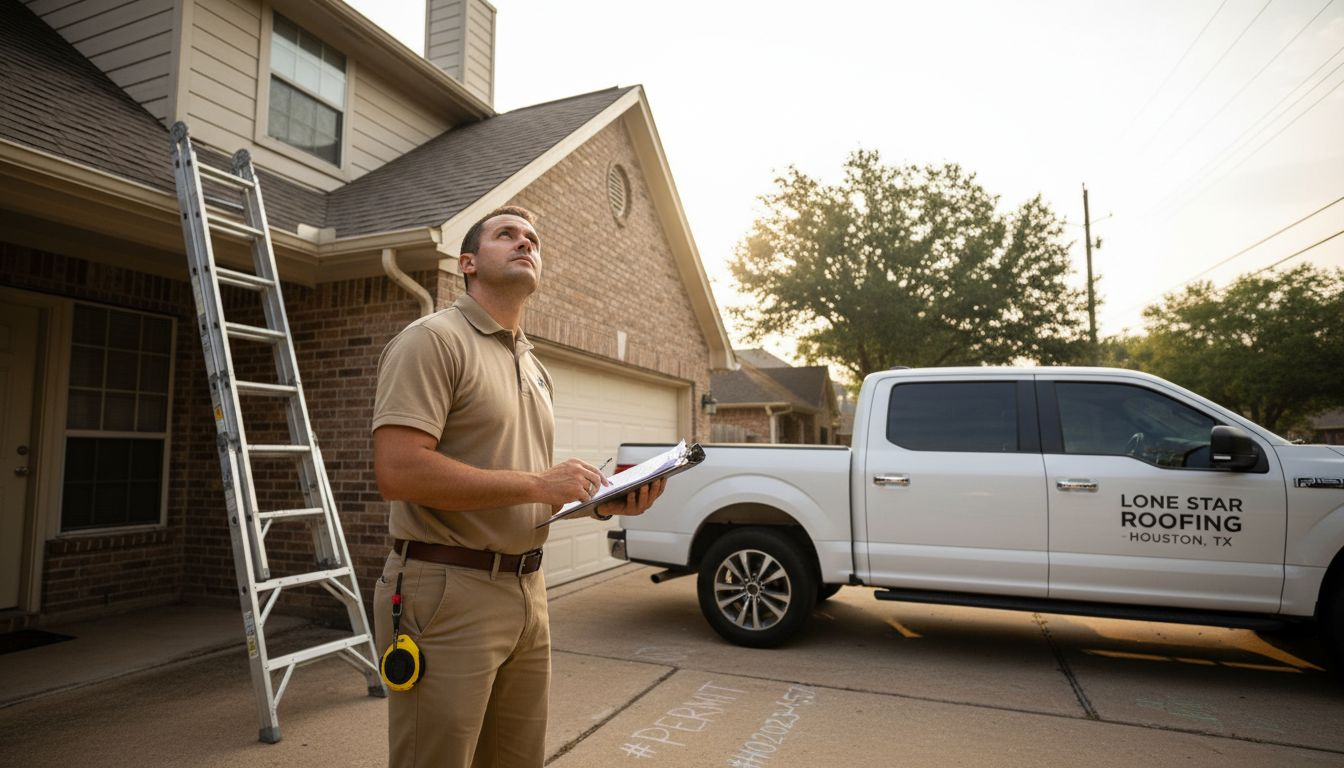
Safety protocols for roofing operations represent another crucial aspect of the permitting landscape. The Houston Fire Code mandates specific safety measures, including comprehensive worker training, mandatory protective equipment usage, and strict fire prevention protocols. Special attention is given to high-risk procedures like torch-applied roofing, which requires standby personnel and advanced safety precautions. These regulations aim to protect workers and minimize potential hazards during roof installation projects.
Beyond immediate safety concerns, the permitting process serves broader community objectives. By enforcing rigorous standards, Houston ensures that roof installations contribute to overall building resilience, particularly in a region prone to extreme weather events. Homeowners should anticipate a thorough review process that may require modifications to initial project plans to meet local safety and environmental standards.
Pro tip: Retain all permit documentation and inspection records, as these can be crucial for future insurance claims, property assessments, and potential warranty considerations.
Costs, Common Mistakes, and What to Avoid
Roof installation in Houston presents unique financial and technical challenges that demand strategic planning and expert knowledge. Understanding potential pitfalls can help homeowners avoid costly mistakes and ensure long-term roofing performance. Roof installation errors frequently originate from seemingly minor oversights that can escalate into significant structural problems.
One of the most critical areas of concern involves improper flashing installation. Many homeowners underestimate the complexity of creating effective water barriers, particularly at roof-wall intersections. Continuous flashing where step flashing is required can create vulnerable points for water intrusion, potentially leading to extensive and expensive damage. Professional roofers emphasize the importance of precise flashing dimensions and proper overlap techniques to prevent moisture penetration and subsequent structural deterioration.
Common roofing problems often stem from inadequate design considerations specific to Houston’s challenging climate. Critical mistakes include selecting inappropriate materials, failing to account for proper roof slope, and neglecting essential drainage requirements. Homeowners should prioritize materials rated for local weather conditions, ensuring they can withstand intense heat, sudden storms, and potential hurricane-force winds. Correct roof pitch and comprehensive drainage systems are not optional luxuries but essential components of a resilient roofing strategy.
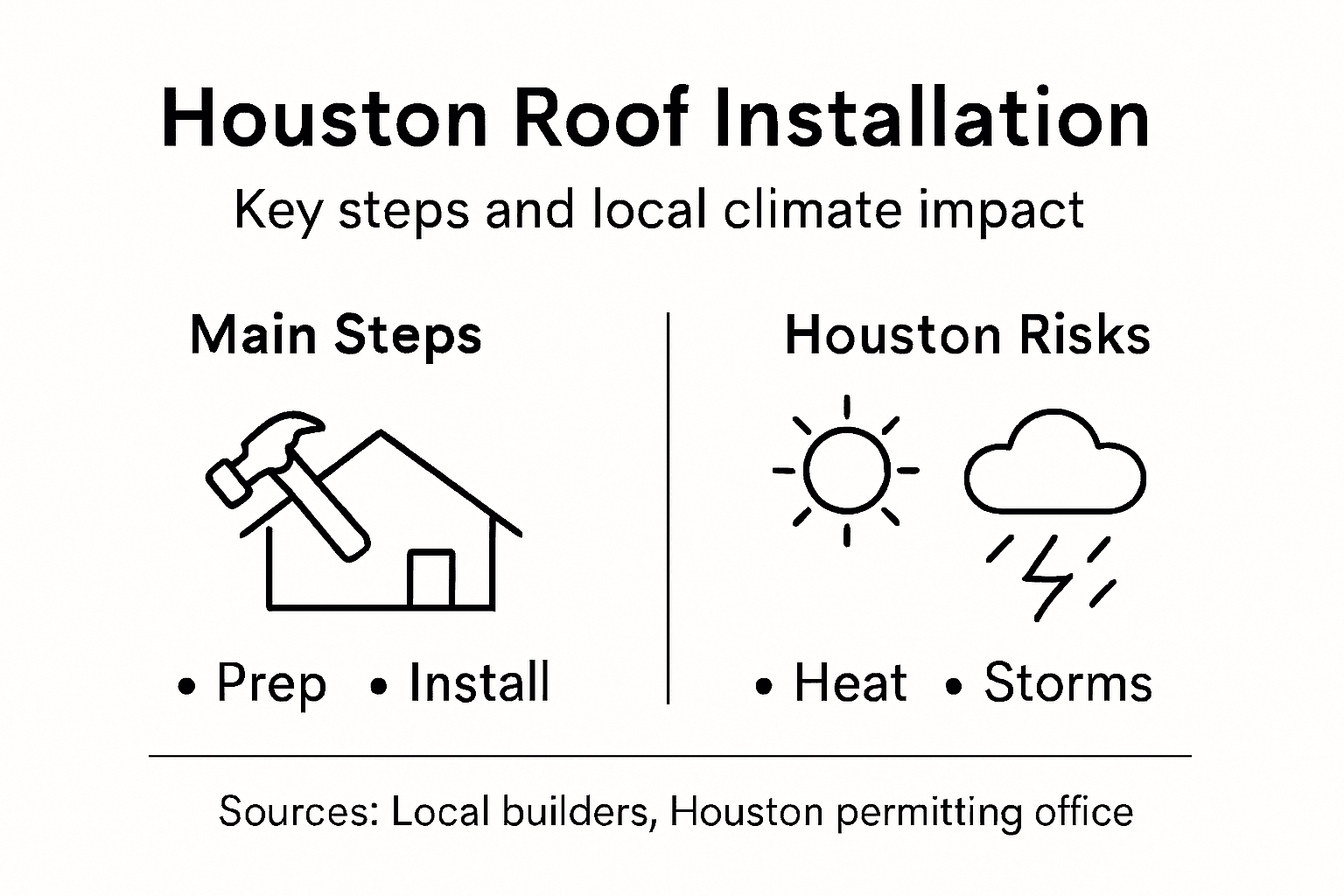
Cost management requires a balanced approach that doesn’t compromise quality. While budget constraints are real, cutting corners on materials or installation can result in exponentially higher repair and replacement expenses. Professional assessments, thorough material selection, and meticulous installation techniques represent investments that protect your home’s structural integrity and long-term value.
Below is a quick reference highlighting frequent roof installation errors and their impacts:
| Error Type | Common Cause | Long-Term Impact |
|---|---|---|
| Improper Flashing | Poor detailing | Water leaks, wood rot |
| Wrong Material Choice | Climate mismatch | Early material failure |
| Insufficient Slope | Incorrect design | Drainage issues, mold growth |
| Lack of Ventilation | Neglected planning | Trapped moisture, attic damage |
Pro tip: Request detailed written estimates from multiple contractors that break down material and labor costs, and always verify their licensing and insurance credentials before signing any agreements.
Secure a Long-Lasting Roof Tailored for Houston’s Weather Challenges
Navigating the roof installation process in Houston means addressing unique challenges like extreme heat, heavy storms, and hurricane-force winds. If you want to avoid common pitfalls such as improper flashing, insufficient ventilation, or wrong material choices, partnering with an expert roofing contractor is essential. Mister ReRoof specializes in durable, storm-resistant roofing solutions including metal, shingle, flat, and TPO systems designed specifically for Houston’s climate and building codes.

Take the next step to protect your home by scheduling a professional roof assessment and replacement with Mister ReRoof today. Benefit from our trusted experience, comprehensive safety standards, and customer-focused approach that guarantees quality installations from start to finish. Visit Mister ReRoof now for your free estimate and discover how our Houston roofing experts can maximize your roof’s longevity and performance.
Frequently Asked Questions
What steps are involved in the roof installation process?
The roof installation process includes structural preparation, framing, roof sheathing installation, applying underlayment, and installing the primary roofing material. Each step is vital for ensuring the roof’s durability and performance.
How can Houston’s weather affect the longevity of my roof?
Houston’s extreme weather, including intense heat and frequent storms, can impact the longevity of roofing materials. It’s crucial to choose materials that are designed to withstand high temperatures and strong winds to ensure a longer lifespan.
What are the main types of roofing systems suitable for homes in Houston?
Popular roofing systems for homes in Houston include asphalt shingles, metal roofing, clay tiles, and flat roof systems. Each type has unique benefits, such as cost-effectiveness, wind resistance, and heat resistance.
How can I avoid common mistakes during roof installation?
To avoid mistakes, ensure proper flashing installation, select materials appropriate for local climate, account for adequate roof slope, and prioritize proper ventilation. Working with experienced professionals can help mitigate these risks.
