
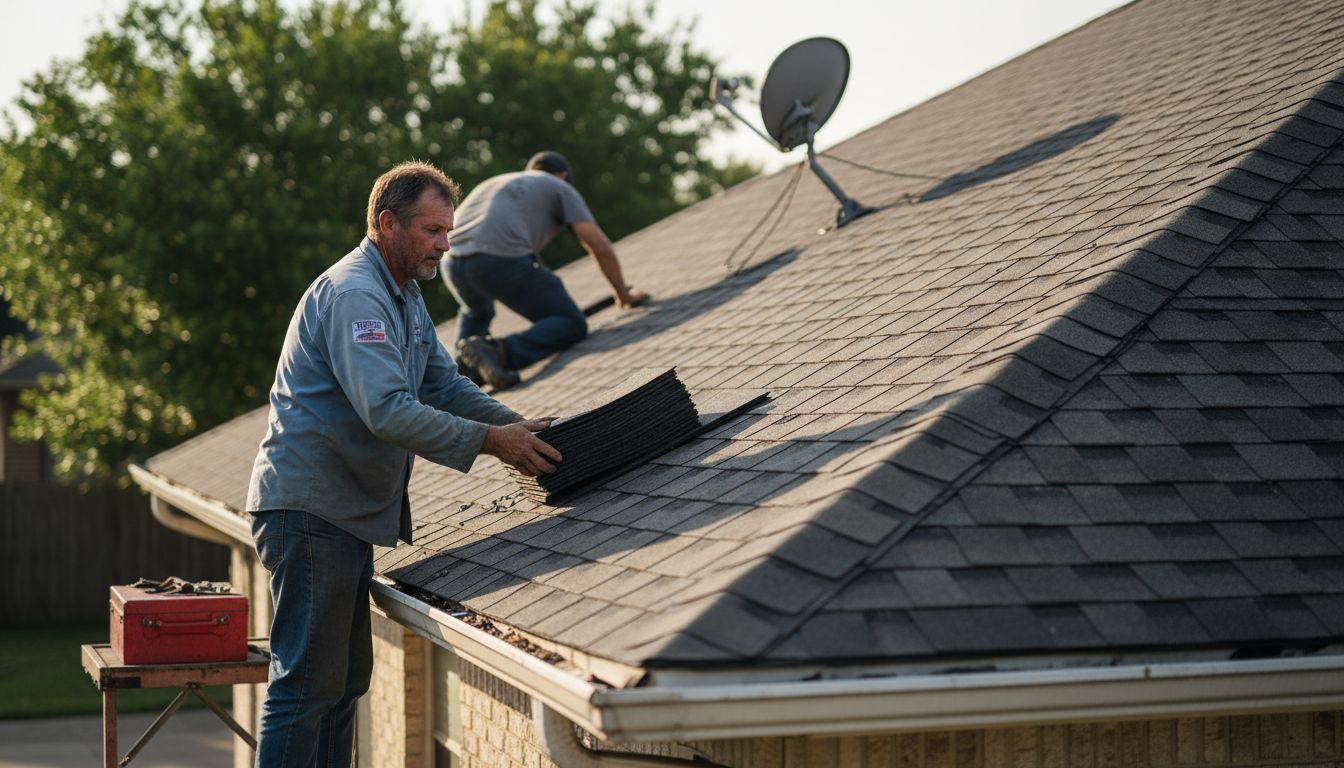
Every year, severe Texas storms leave thousands of American homeowners in Houston facing costly roof damage and urgent decisions. The truth is, not every roof crisis requires a full replacement and understanding the real difference between reroofing and roof replacement can save you time and money. This guide breaks down the most reliable reroofing methods and materials for Houston’s unpredictable weather, helping you make smart choices that match local American building codes and your home’s needs.
Table of Contents
- Defining Reroofing And Common Misconceptions
- Major Types Of Reroofing Solutions Available
- How The Reroofing Process Works Step-By-Step
- Key Benefits For Houston Homeowners
- Costs, Risks, And When To Reroof Vs. Replace Roof
Key Takeaways
| Point | Details |
|---|---|
| Reroofing vs. Roof Replacement | Reroofing is faster and more cost-effective but may have a shorter lifespan compared to full roof replacement. Understanding the key differences helps homeowners make informed choices. |
| Material Selection | Selecting the right roofing materials, such as asphalt, metal, or synthetic options, significantly impacts durability and energy efficiency. Consider local climate challenges when choosing materials. |
| Inspection Importance | A professional inspection is crucial before reroofing to evaluate the existing roof condition and determine the most appropriate method. Neglecting this step could lead to future issues. |
| Cost Considerations | Reroofing can be a cost-effective solution for minor damage, but major issues may warrant a full replacement. Evaluate the age and condition of the roof to decide the best approach. |
Defining Reroofing and Common Misconceptions
Reroofing represents a strategic home maintenance approach that helps Houston homeowners protect their property without complete roof replacement. Reroofing techniques involve installing a new roofing surface over an existing roof or after removing old materials, addressing issues like leaks and aesthetic wear while preserving the underlying roof structure.
Two primary reroofing methods exist: an overlay approach and a complete tear-off replacement. The overlay method involves placing new shingles directly on top of existing ones, which works best when the current roof has minimal damage. A full tear-off, conversely, involves completely removing the old roofing materials, allowing for comprehensive structural inspection and more extensive repairs. Building codes and roof condition ultimately determine which method is most appropriate for a specific home.
Many Houston homeowners mistakenly believe reroofing and roof replacement are identical processes. However, key differences impact durability and cost. Reroofing is typically faster and more cost-effective but may have limitations such as increased roof weight and potentially shorter lifespan. Full roof replacement provides more comprehensive protection by allowing complete structural evaluation and addressing underlying issues.
Here’s a quick comparison of reroofing methods and their main impacts for Houston homeowners:
| Method | Pros | Cons | Common Uses |
|---|---|---|---|
| Overlay | Faster, more affordable | Adds roof weight, shorter life | Minimal existing damage |
| Full Tear-Off | Full inspection, longer life | Higher cost, more disruption | Severe damage, old roofs |
Pro tip: Before deciding on reroofing, always have a professional roofing contractor conduct a thorough inspection to determine the most suitable approach for your specific Houston home’s needs.
Major Types of Reroofing Solutions Available
Houston homeowners have several strategic reroofing solutions to protect their properties against the region’s challenging weather conditions. Roofing material options range from traditional asphalt shingles to more advanced metal and synthetic alternatives, each offering unique benefits tailored to local environmental demands.
The most common reroofing materials include asphalt shingles, which remain the most affordable and versatile option for most Houston homes. Metal roofing has gained significant popularity due to its exceptional durability and ability to withstand intense heat and sudden storm conditions. For homeowners seeking premium solutions, slate and clay tiles provide extraordinary longevity, though at a higher initial investment. Wood shakes offer a natural aesthetic but require more frequent maintenance, making them less practical for the region’s humid climate.
Energy efficiency has become a crucial consideration for Houston homeowners when selecting reroofing materials. Roof replacement strategies now prioritize materials that can reflect solar radiation, reduce heat absorption, and ultimately lower cooling costs. Synthetic roofing materials have emerged as an innovative solution, offering improved weather resistance, lighter weight, and enhanced thermal performance compared to traditional options.
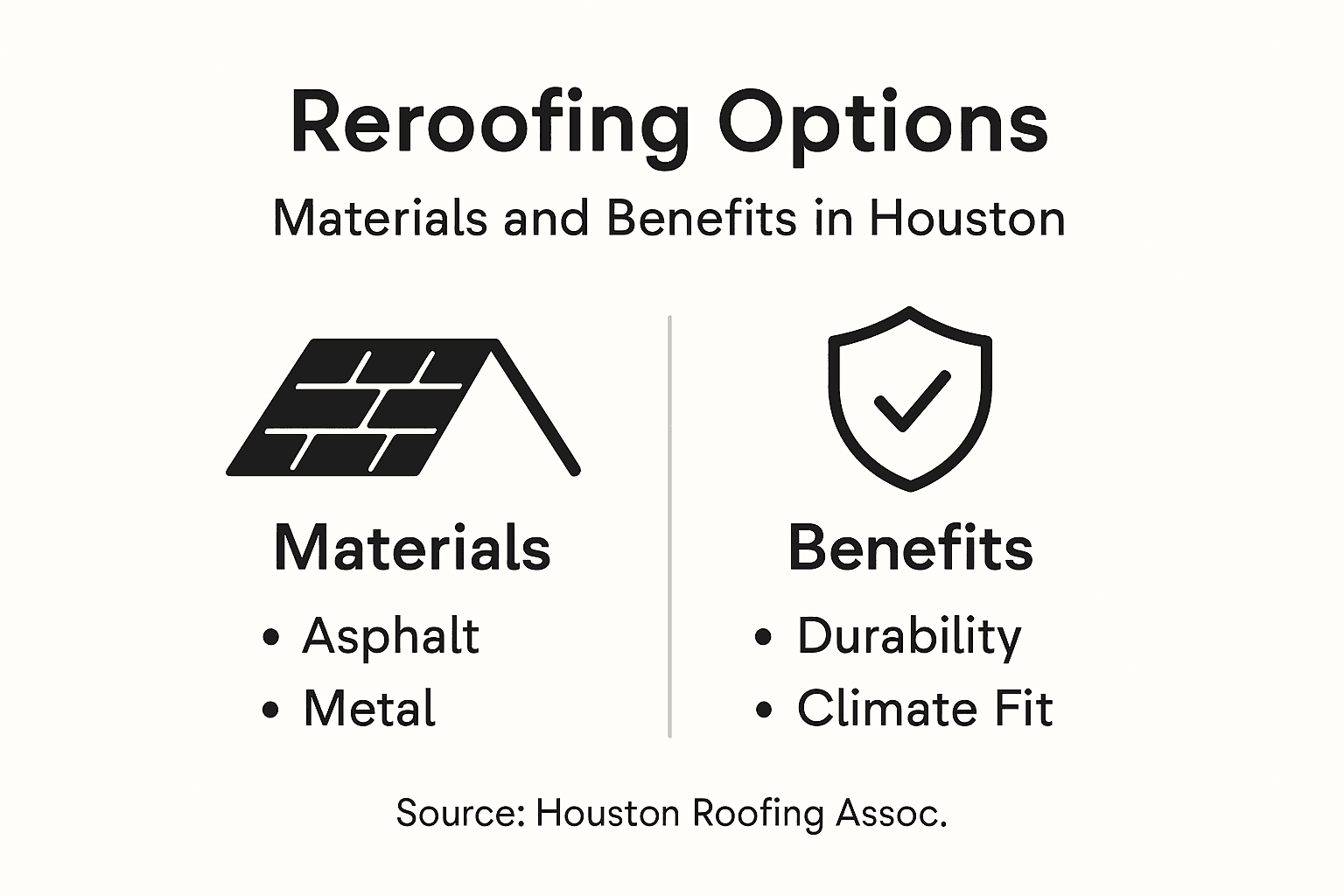
Below is a summary of popular reroofing materials and their unique advantages for Houston’s climate:
| Material | Durability | Climate Suitability | Energy Efficiency |
|---|---|---|---|
| Asphalt Shingle | Moderate | Good for varied weather | Basic, can be improved |
| Metal | High | Excellent for heat and storms | Reflects sunlight |
| Synthetic | High | Superior moisture resistance | Enhanced thermal control |
| Tile (Slate/Clay) | Very High | Superior for longevity, expensive | Natural heat resistance |
| Wood Shake | Moderate | Not ideal for high humidity | Low, requires upkeep |
Pro tip: Consult a local roofing professional who understands Houston’s specific climate challenges to select the most appropriate reroofing material for your home’s unique requirements.
How the Reroofing Process Works Step-by-Step
Reroofing for Houston homes follows a systematic approach designed to restore and protect residential roofing structures with minimal disruption. Comprehensive reroofing steps begin with a crucial professional inspection that assesses the existing roof’s condition and determines the most appropriate restoration strategy.
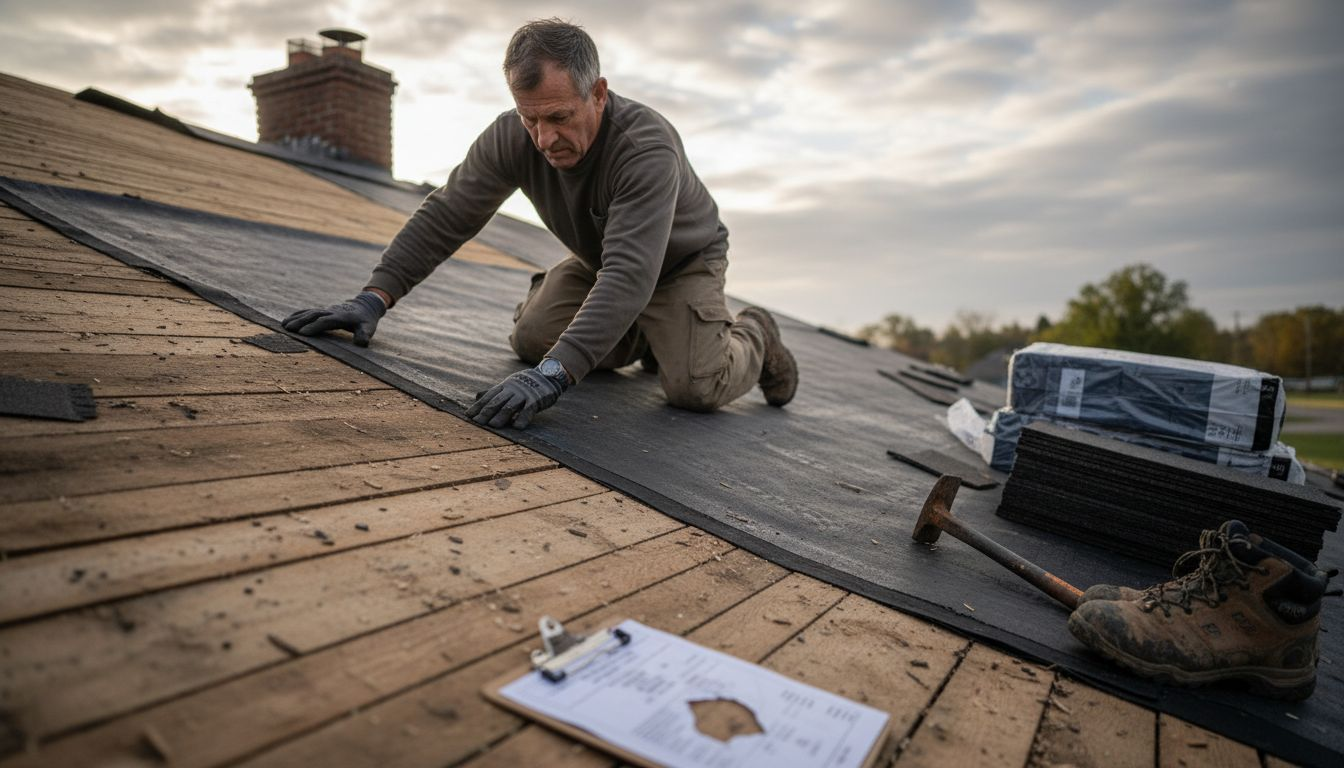
The initial phase involves obtaining necessary local permits and preparing the work site. Professional roofers will set up protective barriers, remove existing shingles, and conduct a thorough examination of the underlying roof deck. Any signs of structural damage, wood rot, or moisture infiltration are meticulously repaired to ensure a solid foundation for the new roofing materials. This critical step prevents future complications and extends the longevity of the new roof installation.
After deck preparation, technicians install specialized moisture barriers and protective underlayment, creating a watertight foundation. The new roofing materials are then carefully laid, with precise attention to alignment, securing, and sealing. Each layer is strategically applied to maximize weather resistance and structural integrity, taking into account Houston’s unique climate challenges of intense heat, humidity, and occasional severe storms. Final quality checks ensure every aspect of the installation meets professional standards and local building codes.
Pro tip: Schedule your reroofing project during Houston’s milder weather months to minimize potential installation complications and ensure optimal material performance.
Key Benefits for Houston Homeowners
Homeowners in Houston can realize significant advantages through strategic reroofing, transforming their property’s protection and performance. Timely roof replacement provides critical safeguards against the region’s challenging weather conditions, delivering both immediate and long-term benefits for residential properties.
One of the most compelling advantages is enhanced energy efficiency. Modern roofing materials with advanced reflective properties can dramatically reduce cooling costs, a crucial consideration in Houston’s intense summer heat. These innovative solutions help regulate indoor temperatures, potentially lowering energy bills by significant percentages and creating a more comfortable living environment. Additionally, reroofing improves a home’s structural integrity, preventing moisture intrusion that could lead to expensive structural damage from humidity and storm-related wear.
Beyond functional improvements, reroofing delivers substantial aesthetic and financial benefits. A professionally installed roof instantly boosts curb appeal, potentially increasing home market value and attractiveness to potential buyers. The investment protects against costly future repairs, provides comprehensive protection from Houston’s unpredictable weather patterns, and offers homeowners peace of mind knowing their most significant asset is well-defended against environmental challenges.
Pro tip: Consider scheduling a professional roof assessment during spring or fall to identify potential reroofing needs before extreme weather conditions intensify.
Costs, Risks, and When to Reroof vs. Replace Roof
Navigating the decision between reroofing and full roof replacement requires careful consideration of multiple factors unique to Houston’s challenging climate and housing conditions. Roof restoration strategies depend on critical assessments of existing structural integrity, potential hidden damage, and long-term performance expectations.
Reroofing presents a more cost-effective short-term solution, typically involving installing a new layer of shingles over existing materials without complete removal. This approach saves significant labor and disposal expenses while providing a quick aesthetic and protective upgrade. However, potential risks include added weight stress on the existing structure, potential masking of underlying damage, and limitations imposed by local building codes regarding maximum permitted roofing layers. Full roof replacement, while more expensive, offers comprehensive structural evaluation, allows for complete deck repair, and provides a more thorough long-term solution for homes experiencing extensive wear or damage.
Decision-making factors include the roof’s current age, extent of existing damage, budget constraints, and specific environmental stressors prevalent in the Houston region. Homes with multiple existing shingle layers, significant water damage, or roofs approaching 15-20 years of age typically benefit more from complete replacement. Younger roofs with minimal damage might be ideal candidates for strategic reroofing, offering a cost-effective approach to extending roof life without complete structural overhaul.
Pro tip: Consult a professional roofing inspector who can perform a detailed assessment and provide personalized recommendations specific to your home’s unique condition and Houston’s unique weather challenges.
Protect Your Houston Home with Expert Reroofing Solutions
If you are facing the challenge of reroofing and want to avoid costly roof damage from Houston’s intense weather, Mister ReRoof is here to help. We understand the importance of choosing the right reroofing method and materials to ensure durability, energy efficiency, and long-lasting protection for your home. Whether your roof needs a full tear-off or an overlay, our experienced team provides professional inspections and tailored roofing services designed specifically for Houston homes.
Take control of your home’s protection today by trusting the experts at Mister ReRoof to deliver high-quality, storm-resistant reroofing that meets local building codes and climate demands. Schedule your free roof assessment now and secure the strength and beauty of your home for years to come.
Frequently Asked Questions
What is the difference between reroofing and roof replacement?
Reroofing involves adding a new roofing surface over an existing roof, while roof replacement means completely removing the old roof and installing a new one. Reroofing is often quicker and more cost-effective but may not address underlying structural issues as thoroughly as a full replacement.
What are the common materials used in reroofing?
Common materials for reroofing include asphalt shingles, metal roofing, synthetic options, and clay or slate tiles. Each material offers unique benefits in terms of durability, energy efficiency, and aesthetic appeal.
How does the reroofing process work?
The reroofing process typically begins with a professional inspection, followed by obtaining necessary permits. Next, existing shingles may be removed, repairs made to the underlying structure, moisture barriers installed, and new roofing materials applied to ensure optimal protection.
What factors should homeowners consider when deciding to reroof or replace their roof?
Homeowners should consider the age of the roof, extent of damage, budget, and local building codes. If the roof is nearing the end of its lifespan or has significant damage, a full replacement may be more beneficial than reroofing.
