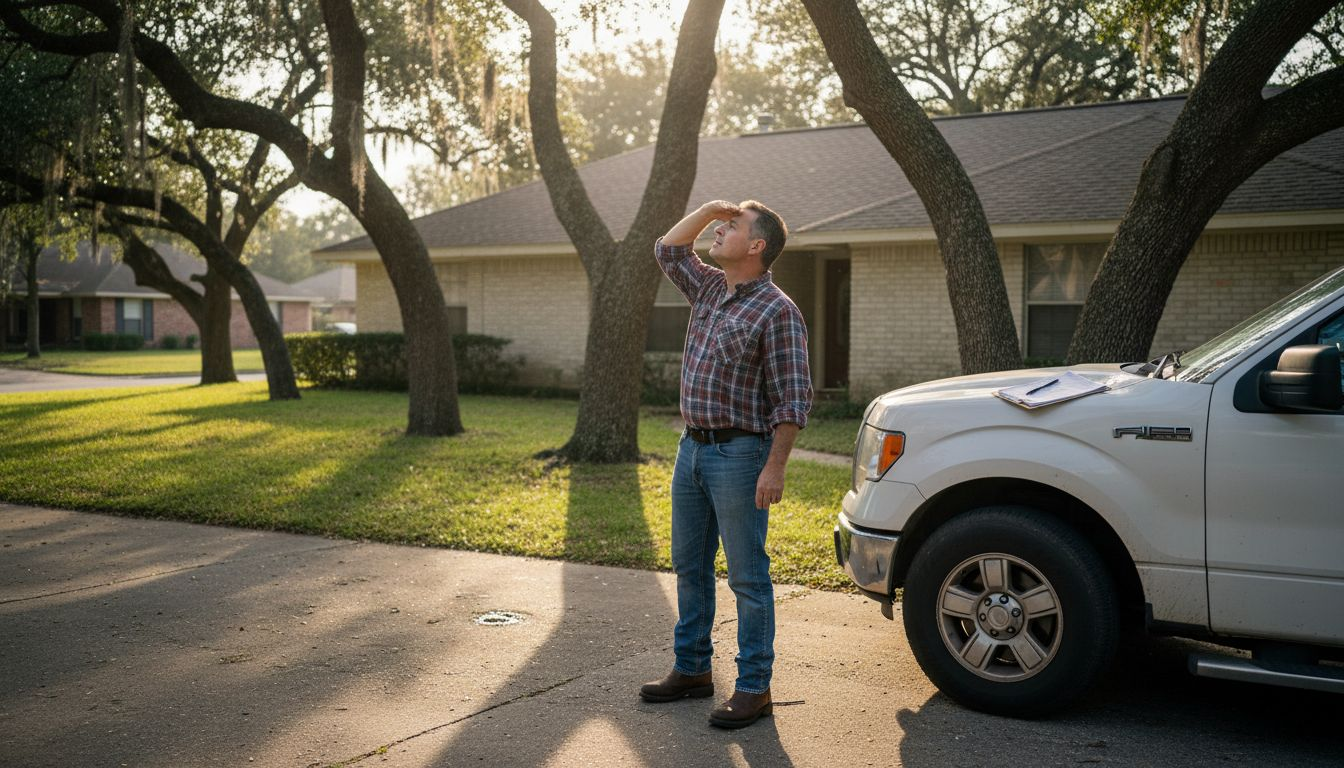
Storms in Houston can leave even the sturdiest roofs in need of urgent attention. After severe weather, deciding how to protect your home and valuables is a pressing concern for any homeowner. From scheduling a comprehensive roof inspection by a certified professional to choosing high-performance roofing materials that stand up to intense winds and hail, this guide offers practical insights for making confident decisions and ensuring lasting protection.
Table of Contents
- Step 1: Assess Your Roof and Schedule an Inspection
- Step 2: Select Durable Roofing Materials for Houston Weather
- Step 3: Secure Your Home and Protect Valuables
- Step 4: Communicate with Your Roofing Contractor
- Step 5: Verify Project Completion and Final Cleanup
Quick Summary
| Main Insight | Detailed Explanation |
|---|---|
| 1. Schedule a Professional Inspection | A certified roof inspection identifies damage and determines if repairs or full replacement are needed. |
| 2. Choose Durable Materials | Selecting roofing materials that withstand Houston’s climate is crucial for long-term protection and cost savings. |
| 3. Prepare Your Home and Valuables | Protect personal belongings and the home from potential damage during the roof replacement process. |
| 4. Communicate Effectively with Contractors | Clear communication with your contractor ensures all needs are met and helps prevent misunderstandings. |
| 5. Conduct a Thorough Final Inspection | Verify all work is completed and documented before making final payments to avoid future disputes. |
Step 1: Assess Your Roof and Schedule an Inspection
Before launching into a roof replacement project, you need a comprehensive understanding of your current roof’s condition. A professional inspection serves as the critical first step in determining whether repair or full replacement is necessary, especially in storm-prone Houston.
Start by scheduling a professional roof assessment with a certified inspector who can provide a detailed evaluation. The five-zone inspection process recommended by the National Roofing Contractors Research Institute involves examining multiple critical areas:
- Interior ceiling and walls for water stains
- Attic space for moisture and structural issues
- Building perimeter for potential drainage problems
- Roof exterior for visible damage
- Structural integrity assessment
During the inspection, a qualified professional will identify potential vulnerabilities, assess storm damage, and determine whether your roof requires minor repairs or a complete replacement. In Houston’s challenging weather environment, professional home evaluation standards become crucial for protecting your property.
Professional roof inspections can save significant repair costs and extend your roof’s lifespan by catching issues early.
Professional inspectors will look for specific signs of wear, including:
- Curling or missing shingles
- Granule loss on asphalt shingles
- Cracked or damaged flashing
- Evidence of water penetration
- Sagging or uneven roof surfaces
Pro Tip: Schedule your roof inspection during mild weather conditions to ensure a thorough and accurate assessment of your roof’s true condition.
Step 2: Select Durable Roofing Materials for Houston Weather
Choosing the right roofing materials is critical for withstanding Houston’s challenging climate, where extreme weather conditions can quickly compromise your home’s protection. Your goal is to select materials that offer superior durability and resistance against intense storms, high winds, and potential hail damage.
When selecting roofing materials, prioritize options that meet high wind and impact resistance standards. The Texas Department of Insurance recommends choosing materials rated for wind speeds of 110 mph or higher and with UL 2218 Class 4 impact resistance. These specifications are crucial for Houston homeowners facing unpredictable weather patterns.
Key roofing material considerations include:
- Wind resistance ratings
- Impact resistance levels
- Material durability
- Local climate compatibility
- Cost-effectiveness
The FORTIFIED Roof program guidelines suggest several robust material options:
- Metal panels with site-specific design pressure testing
- Class 4 impact-resistant shingles
- Securely sealed roof decks
- Reinforced roof edges
- High-quality underlayment materials
Investing in high-performance roofing materials can significantly reduce long-term repair and replacement costs.
Professional installers recommend additional protective features such as:
- Thicker roof decking
- Self-adhering flashing tapes
- 30# roofing felt underlayment
- Enhanced roof-to-wall connections
- Gable end bracing
Pro Tip: Request material samples and detailed performance ratings from your roofing contractor to compare actual wind and impact resistance specifications before making a final selection.
Here is a comparison of common roofing material options for Houston homes:
| Material Type | Wind Resistance | Impact Protection | Estimated Lifespan |
|---|---|---|---|
| Metal Panels | Up to 140 mph | Excellent against hail | 40–70 years |
| Impact-Resistant Shingles | 110+ mph (Class 4) | Superior, resists cracking | 20–30 years |
| Tile Roofing | 100–120 mph | Moderate, can crack under force | 40–50 years |
| Standard Asphalt Shingles | 60–90 mph | Low, granule loss over time | 15–20 years |
Step 3: Secure Your Home and Protect Valuables
During a roof replacement project, protecting your home and personal belongings becomes a critical priority. Houston homeowners face unique challenges with unpredictable weather and potential construction disruptions, making comprehensive preparation essential for safeguarding your property and valuables.
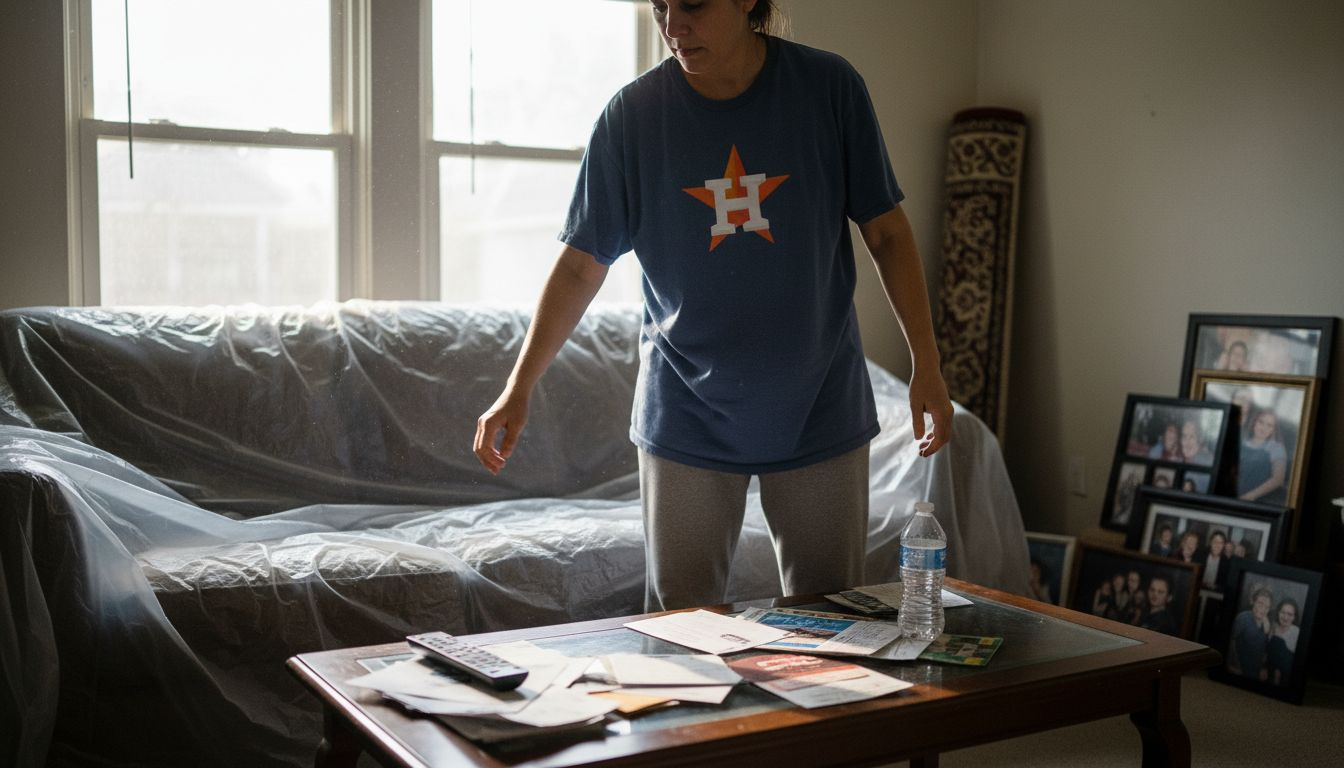
Protecting your home from potential damage involves several strategic steps. Federal Emergency Management Agency guidelines recommend proactive measures to minimize risk during construction and potential severe weather events.
Critical protection strategies include:
- Documenting valuable items with photographs
- Creating an inventory of personal belongings
- Removing fragile items from walls and shelves
- Covering furniture with protective sheets
- Relocating valuable electronics
Interior protection measures involve:
- Unplugging sensitive electronic equipment
- Moving valuable items to secure locations
- Covering floors and furniture with protective materials
- Creating a designated safe storage area
- Protecting important documents
Comprehensive preparation can significantly reduce potential damage and stress during roof replacement projects.
The FORTIFIED home protection program recommends additional reinforcement techniques such as:
- Sealing roof decks
- Strengthening building connections
- Doubling nail attachment points
- Using tested roofing materials
- Creating interior safe zones
Home security steps during roof replacement:
- Communicate with roofing contractors about security concerns
- Ensure property access points are secured
- Remove or secure outdoor valuables
- Consider temporary alarm system adjustments
- Verify contractor insurance and liability coverage
Pro Tip: Take detailed photographs of your home’s interior and exterior before construction begins to document baseline conditions and protect yourself against potential accidental damage.
Step 4: Communicate with Your Roofing Contractor
Effective communication with your roofing contractor is the cornerstone of a successful roof replacement project. Houston homeowners must establish clear, comprehensive dialogue to ensure their specific needs are met and potential challenges are addressed proactively.
Effective contractor communication involves asking targeted questions about material selections, installation processes, and local weather considerations. Texas Department of Insurance guidelines emphasize the importance of understanding every aspect of your roofing project before work begins.
Key communication topics to discuss include:
- Specific material recommendations
- Local weather resistance requirements
- Installation timeline and process
- Potential structural challenges
- Cost breakdown and potential additional expenses
Critical contractor verification steps:
- Request and verify professional licenses
- Check current insurance documentation
- Ask for local references
- Review past project portfolios
- Understand warranty details
Clear communication prevents misunderstandings and ensures your roofing project meets all safety and durability standards.
Additionally, avoiding contractor fraud requires careful documentation and clear agreements. The National Association of Insurance Commissioners recommends:
- Getting detailed written contracts
- Avoiding full upfront payments
- Establishing clear project scope
- Defining specific timelines
- Confirming pricing structures
Recommended communication approach:
- Schedule an initial comprehensive consultation
- Ask detailed technical questions
- Request written estimates
- Discuss potential weather-related challenges
- Establish clear communication protocols
Pro Tip: Create a dedicated email thread or communication channel with your contractor to maintain organized, trackable communication throughout the entire roof replacement project.
Step 5: Verify Project Completion and Final Cleanup
The final stage of your roof replacement project involves a thorough review and verification process to ensure every aspect meets your expectations and contractual requirements. This critical phase protects your investment and guarantees the quality of work performed by your roofing contractor.
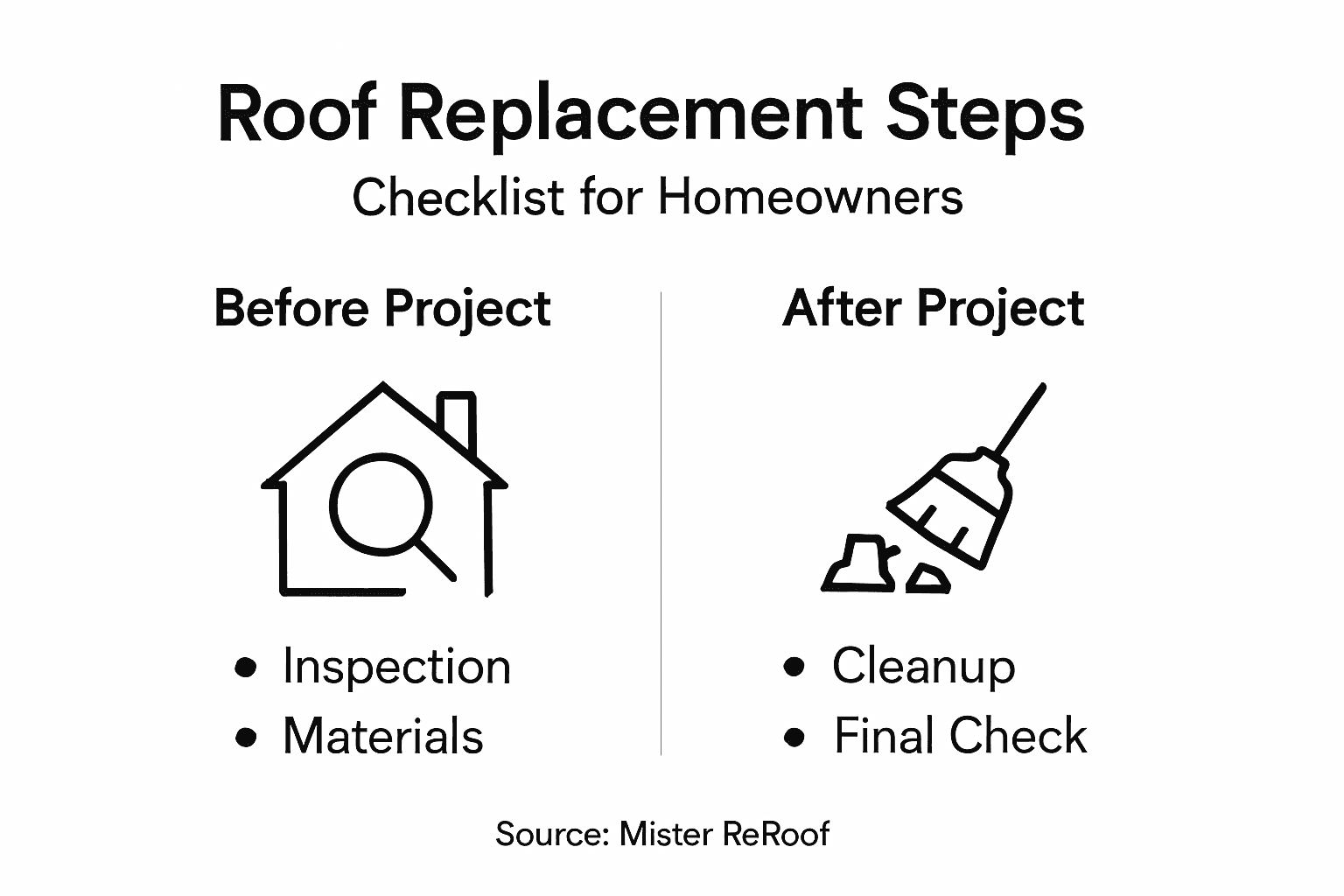
Project closeout procedures require a systematic approach to confirming that all work has been completed according to specifications. Municipalities and professional organizations emphasize the importance of comprehensive final inspection and documentation.
Final inspection checklist includes:
- Verify all contracted work is completed
- Inspect roof surface for uniform installation
- Check flashing and edge details
- Confirm proper sealing and waterproofing
- Review installation techniques
Documentation requirements:
- Request final completion certificate
- Obtain written warranty documents
- Collect all material specification sheets
- Confirm insurance and permit compliance
- Keep detailed project photographs
Thorough final verification prevents future disputes and ensures your roof replacement meets the highest professional standards.
The construction completion certification process involves several key steps:
- Walkthrough with contractor
- Identifying and addressing punch list items
- Reviewing project documentation
- Confirming cleanup and site restoration
- Releasing final payment
Critical cleanup verification steps:
- Check surrounding property for debris
- Verify landscaping protection
- Inspect gutters and drainage areas
- Ensure no nails or materials remain
- Confirm complete site restoration
Pro Tip: Photograph the completed project from multiple angles and document the site condition before final payment to create an official record of project completion.
Below is a summary of project closeout steps and their importance:
| Step | Purpose | Impact on Homeowner |
|---|---|---|
| Final Work Inspection | Ensure quality and completeness | Guarantees project standards |
| Collecting Certificates | Verify compliance and warranties | Simplifies future claims |
| Site Cleanup Review | Remove debris and hazards | Protects property and safety |
| Documentation Photos | Provide post-project reference | Aids in resolving disputes |
Prepare Your Houston Roof Replacement With Expert Help From Mister ReRoof
Preparing for a roof replacement like a pro means understanding the challenges posed by Houston’s unpredictable weather and selecting durable materials that protect your home long term. If you want to avoid costly repairs and safeguard your valuables while securing a storm-resistant roof, trust the local experts at Mister ReRoof. With extensive experience in metal, shingle, flat, and TPO roofing systems, we specialize in delivering solutions designed specifically for Houston’s climate.
Take control of your roof replacement project today by partnering with a professional roofing contractor who prioritizes quality inspections, clear communication, and final project verification. From the initial roof assessment to choosing impact-resistant materials and ensuring thorough cleanup, Mister ReRoof provides support every step of the way.
Don’t wait for damage to worsen or face the stress of improper installation. Get your free estimate now and see why Houston homeowners trust Mister ReRoof for reliable, durable roofing services. Contact us to schedule your inspection and start your roofing project with confidence.
Frequently Asked Questions
What should I do before scheduling a roof inspection?
Before scheduling a roof inspection, assess your roof for visible signs of damage, such as curling shingles or water stains on the ceiling. This initial evaluation helps you prepare for discussion points during your professional inspection.
How can I choose the right roofing materials for my home?
To choose the right roofing materials, prioritize options that offer high wind and impact resistance ratings suitable for your climate. Request detailed specifications and performance ratings from your contractor to ensure your selection can withstand extreme weather conditions.
What steps should I take to protect my belongings during roof replacement?
Before roof replacement begins, document valuable items and remove fragile objects from your home. Additionally, cover furniture with protective sheets and consider moving valuable electronics to a secure space to minimize risk during construction.
How can I communicate effectively with my roofing contractor?
To communicate effectively with your roofing contractor, prepare a list of specific questions regarding materials, timelines, and installation processes. Establish clear communication protocols, such as maintaining a dedicated email thread, to track all conversations regarding your project.
What should I check for during the final inspection of my new roof?
During the final inspection, verify that all contracted work is completed, including checking the roof surface, flashing, and waterproofing details. Document any outstanding issues on a punch list to ensure all aspects of the project meet your expectations before making the final payment.
Recommended
- 7 Roof Replacement Tips for Houston Homeowners
- 7-Step Roof Replacement Checklist for Houston Homeowners
- Roof Installation Process: Houston’s Impact on Longevity
- Roof Replacement Timelines: What Houston Homeowners Need
- Mortgage Planning For First Home Buyers
- Roofing Contractor El Campo TX
- Metal Roof Replacement El Campo TX
