TL;DR:
- Traditional asphalt shingles last 15 to 30 years and are less durable in Texas weather. Metal, tile, and slate roofing materials offer longer lifespans, better weather resistance, and improved long-term value. Proper installation, climate considerations, and structural capacity are crucial when choosing the best alternative for your home.
If you’ve been relying on asphalt shingles and questioning whether there’s a better option, this shingle alternatives list will give you the concrete answers you need. Traditional shingles last 15 to 30 years at best, and in Texas weather, that timeline gets pushed even shorter. This guide covers the top alternative roofing materials across durability, cost, weather resistance, and long-term value. Whether you manage one property or several, knowing your options before you commit to a replacement saves money and headaches down the road.
Table of Contents
- Key takeaways
- 1. Key criteria for evaluating shingle alternatives
- 2. Metal roofing
- 3. Clay and concrete tile
- 4. Natural and synthetic slate
- 5. Single-ply membranes (EPDM, TPO, PVC)
- 6. Rubber shingles
- 7. Wood shake and shingles
- 8. Side-by-side comparison of top alternatives
- 9. How to choose the right alternative for your home
- What I’ve learned after years of watching roofs fail and last
- Get a professional assessment from Misterreroof
- FAQ
Key takeaways
| Point | Details |
|---|---|
| Lifespan varies widely | Metal, slate, and tile outlast asphalt shingles by decades, often reaching 50 to 100+ years. |
| Installation quality matters most | Even the best material fails early if ventilation and substrate prep are done wrong. |
| Upfront cost vs. long-term value | Higher upfront investment in metal or tile typically reduces total cost over the roof’s life. |
| Climate shapes your best choice | Wind ratings, heat reflectivity, and fire resistance should align with your specific region. |
| Structural load is a real constraint | Heavy materials like tile and slate require structural assessment before installation. |
1. Key criteria for evaluating shingle alternatives
Before you browse any roofing alternatives guide or get a quote, you need a framework for comparing options. Not all alternative roofing materials are created equal, and a material that works well in Seattle can fail fast in Houston.
Here are the core criteria that should drive every decision:
- Lifespan and durability: How long will the material hold up under real-world conditions, not just ideal ones?
- Weather resistance: Does it handle high winds, hail, fire, and moisture? Look for specific wind speed ratings, not just general claims.
- Upfront vs. lifecycle cost: A cheaper material that needs replacing in 20 years costs more than a pricier one that lasts 60.
- Maintenance requirements: Some materials are nearly maintenance-free; others need annual inspections and repairs.
- Weight and structural load: Heavier materials like slate or clay tile require structural reinforcement, which adds cost.
- Energy efficiency: Reflective surfaces reduce cooling loads, which matters a lot in warm climates.
- Aesthetic fit: Your roof affects curb appeal and resale value. Material should suit both the home’s style and neighborhood norms.
Pro Tip: Get a structural assessment before committing to any heavy roofing material. If your framing wasn’t built for tile or slate, retrofitting adds significant cost that won’t show up in the contractor’s initial quote.
2. Metal roofing
Metal roofing is the most talked-about non-shingle roofing option for good reason. It performs across nearly every evaluation category. Standing seam metal roofing lasts 40 to 70 years, and premium options like copper can reach 75 to 100 years. Asphalt shingles top out at 30 years under good conditions.
The main metal types you’ll encounter:
- Standing seam: Concealed fasteners, superior water resistance, best for residential installs
- Corrugated steel: Lower cost, common in agricultural and commercial applications
- Aluminum: Lightweight and naturally corrosion-resistant, good for coastal climates
- Coated steel (Galvalume): Affordable with good corrosion protection when properly coated
- Copper: Extremely long-lived, develops a patina, expensive upfront but rarely needs attention
When it comes to weather, metal handles wind, hail, fire, and snow better than most traditional materials. Standing seam panels are rated for 140 to 160 mph wind uplift, which is a number asphalt shingles can’t match.
Cost is where people hesitate. Metal costs more upfront than shingles, but long-term value outpaces the initial price when you factor in fewer repairs, energy savings, and a lifespan that may cover the rest of your ownership period.
“The most common cause of early metal roof failure isn’t the metal itself. It’s improper ventilation underneath.”
That quote reflects a real pattern. Poor ventilation causes premature corrosion that typically shows up 5 to 10 years in, after the warranty has expired. The fix is choosing a contractor who treats ventilation as non-negotiable.
Coating choice also matters more than most homeowners realize. PVdF coatings resist fading for 25 to 30 years versus about 10 years for standard polyester coatings. That difference shows up on your roof before it shows up in your wallet.
Pro Tip: Ask your contractor whether seams will be mechanically folded or manually crimped. Mechanical folding creates more consistent seam integrity and is what manufacturers typically require for warranty coverage.
For a deeper breakdown of why metal makes sense in this region, see metal roofing benefits for Texas homes.
3. Clay and concrete tile
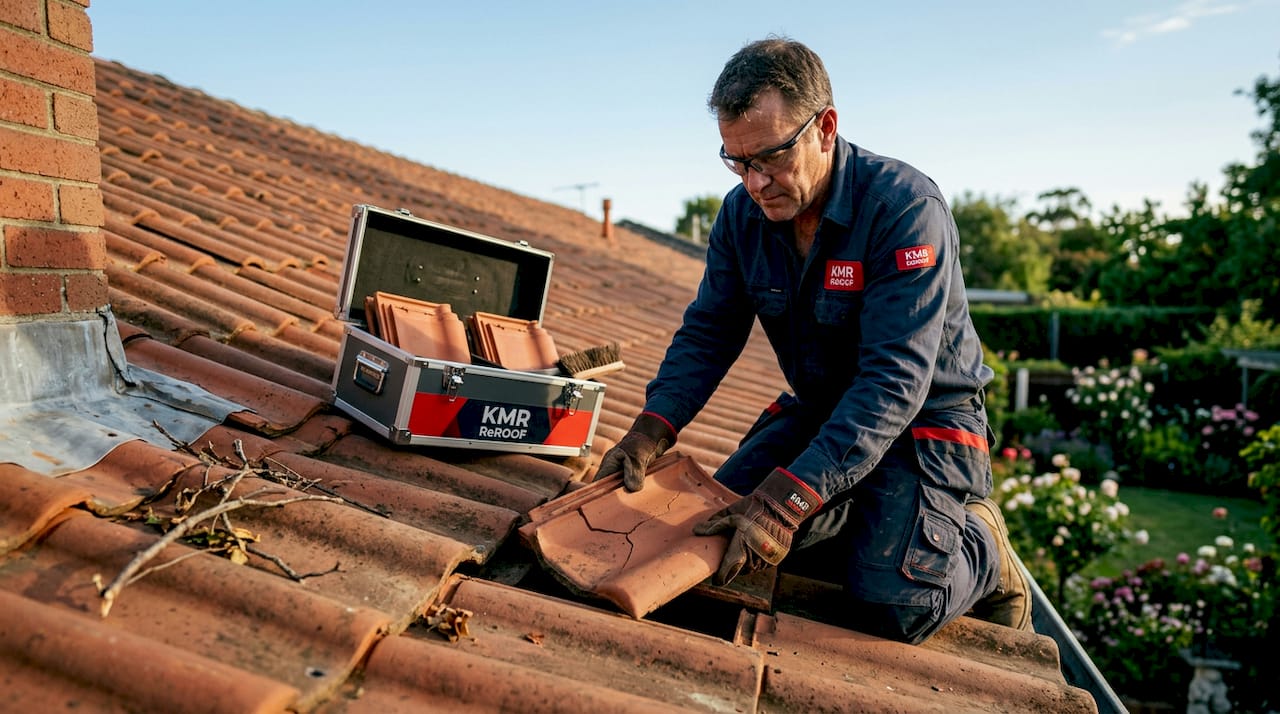
Tile roofing is one of the oldest non-shingle roofing systems in the world, and it’s still one of the most durable. Clay and concrete tiles can last 50 to 100 years when the supporting structure is adequate. They’re fireproof, resistant to rot, and look striking on Mediterranean and Spanish-style homes.
The critical constraint is weight. Clay tiles can run 900 to 1,200 pounds per roofing square (100 square feet). Concrete tiles are even heavier. If your home wasn’t designed to carry that load, structural reinforcement becomes part of the project cost.
Maintenance is relatively low once the tile is installed, but individual tiles do crack and need replacement over time. The underlayment beneath the tiles typically wears out before the tiles themselves, so expect a re-underlayment project every 20 to 30 years even if the tiles look fine.
Pro Tip: When pricing tile roofing, ask for the full project cost including any structural upgrades. A quote that skips the framing assessment isn’t a complete quote.
4. Natural and synthetic slate
Natural slate is arguably the most beautiful roofing material available. It’s also one of the most expensive and heaviest. A well-installed natural slate roof can last well over 100 years. Some roofs in the northeastern United States are still performing after 150 years.
The weight and cost push many homeowners toward synthetic slate instead. Synthetic alternatives vary in durability and cost, but quality products mimic the look closely while coming in at a fraction of the weight. Synthetic slate is typically made from rubber, plastic, or a composite blend.
The tradeoff is that synthetic products haven’t been around long enough to prove 100-year performance claims. What manufacturers call “lifetime warranties” should be read carefully. Still, for homeowners who want the slate aesthetic without structural reinforcement costs, synthetic slate is a practical choice.
5. Single-ply membranes (EPDM, TPO, PVC)
Single-ply membranes are the standard for low-slope and flat roofs. If your home has a low-pitch section, a porch cover, or a commercial property with a flat roof, this is your category.
EPDM, TPO, and PVC membranes last 15 to 30 years and each has a different profile. EPDM (rubber) is known for durability and handles temperature swings well. TPO and PVC are white and reflective, which means they actively reduce cooling costs. In hot climates, cool roofs with reflective membranes cut peak cooling needs measurably.
These are not aesthetically dramatic materials. They sit flat and out of sight in most cases, so visual appearance matters less here than performance and installation quality. TPO is currently the most widely used membrane in commercial applications due to its cost-to-performance ratio.
6. Rubber shingles
Rubber shingles occupy an interesting middle ground in the roofing options for homes conversation. They’re made from recycled tires and other materials, which gives them an environmental appeal. They’re also lightweight, making them compatible with structures that can’t handle tile or slate.
Rubber shingles mimic traditional materials like wood shake or slate while offering better impact and moisture resistance than the originals. They handle hail reasonably well and are worth considering if you want a non-standard look without structural complications.
The downside is that product quality varies significantly across manufacturers, and the category doesn’t have the long track record that metal or tile does. Stick to products with strong third-party testing results and clear warranty terms.
7. Wood shake and shingles
Wood shake is included here as a roofing alternative because it’s often treated as a premium option, though it’s technically still a shingle-style product. It provides a natural, textured look that appeals to craftsman and cottage-style homes.
The performance story isn’t as strong. Wood is vulnerable to moisture, rot, and fire unless treated with fire retardants. Maintenance is higher than almost any other option on this list, requiring periodic cleaning and treatment. Most fire codes in high-risk areas restrict or outright prohibit untreated wood roofing.
If you love the look, treated wood shakes can work in lower-risk climates, but the maintenance commitment is real.
8. Side-by-side comparison of top alternatives
Here’s how the top roofing replacements stack up on the key criteria homeowners care about most:
| Material | Lifespan | Approx. cost per sq. ft. | Wind resistance | Maintenance |
|---|---|---|---|---|
| Standing seam metal | 40 to 70+ years | $10 to $20 | 140 to 160 mph | Very low |
| Clay/concrete tile | 50 to 100+ years | $10 to $25 | Moderate to high | Low |
| Natural slate | 75 to 150+ years | $20 to $40 | High | Low |
| Synthetic slate | 30 to 50 years | $7 to $15 | Moderate to high | Low |
| EPDM membrane | 15 to 30 years | $4 to $8 | Moderate | Low |
| TPO/PVC membrane | 15 to 30 years | $5 to $10 | Moderate | Low |
| Rubber shingles | 20 to 50 years | $6 to $12 | Moderate | Low to moderate |
| Wood shake | 20 to 30 years | $6 to $14 | Low to moderate | High |
For a more detailed look at how these materials compare against shingles specifically, the metal vs. shingle roof comparison breaks down the performance data with Texas conditions in mind.
9. How to choose the right alternative for your home
The shingle alternatives list above gives you options. This section helps you narrow to one.
Start with your climate. Texas homeowners dealing with Gulf Coast humidity, high winds, and summer heat have different needs than homeowners in the Mountain West or Pacific Northwest. Wind ratings matter. Fire resistance matters. So does how the material handles moisture cycling through extreme heat.
Then consider your roof slope. Membranes belong on low-slope roofs. Tile, metal, and slate work on standard pitched roofs. Getting this wrong creates water intrusion problems no amount of quality material will fix.
Work through these questions before talking to a contractor:
- What is my realistic budget for upfront cost, and what payback window makes sense for me?
- How long do I plan to own the property?
- Is my roof structure rated for heavy materials?
- How much maintenance am I willing to handle annually?
- What does my neighborhood or HOA allow?
Pro Tip: When vetting contractors, ask for references specifically from jobs using the material you’re considering. Installing standing seam metal is a different skill set than laying tile or membrane. General roofing experience doesn’t automatically transfer.
For broader guidance on choosing roofing materials that hold up in this region, Misterreroof has put together a resource focused on Houston-area conditions specifically.
What I’ve learned after years of watching roofs fail and last
I’ve seen homeowners make the same mistake repeatedly. They focus entirely on material selection and treat installation as a commodity. The truth is that correct substrate prep and ventilation determine longevity more than the material itself in a significant number of failure cases.
The second pattern I see constantly is sticker shock driving people back to asphalt shingles when they were 80 percent of the way to choosing something better. A metal roof that costs twice as much upfront but lasts three times as long and requires half the maintenance is, by any reasonable math, the cheaper roof over a 40-year period.
My honest recommendation: if you own your home and plan to stay 10 or more years, the upgrade to metal or tile pays for itself. If you’re managing a rental or commercial property with a long hold period, the same logic applies even more clearly. The question isn’t whether you can afford a better roof. It’s whether you can afford to keep replacing the cheap one.
— Misterreroof
Get a professional assessment from Misterreroof
Knowing your options is step one. Getting a professional eye on your specific home is step two. Misterreroof provides metal and shingle roof replacements across Texas, with installations built to handle heat, wind, and Gulf Coast weather over the long haul. Whether you’re looking at metal roof replacement in Victoria, TX or need service in Hallettsville, Edna, or the greater Houston area, the team delivers roofing systems designed to last decades, not just years. Contact Misterreroof today to schedule a free estimate and find out which material is the right fit for your property.
FAQ
What is the longest-lasting alternative to asphalt shingles?
Natural slate holds the record, with documented roofs lasting 150 years or more. Standing seam metal and clay tile are more practical choices for most homeowners, with lifespans of 40 to 100+ years.
Are metal roofs worth the higher upfront cost?
Yes, for most homeowners. Metal roofing outperforms shingles on lifecycle cost because it lasts two to three times as long with significantly fewer repairs over that period.
What is the best roofing material for high-wind areas?
Standing seam metal roofing carries wind ratings of 140 to 160 mph, making it one of the strongest options for hurricane or high-wind zones.
Can I install tile or slate on any roof?
Not without verification. Both materials are heavy and require a structural assessment first. Many older homes need framing reinforcement before these materials can be installed safely.
What roofing works best for flat or low-slope roofs?
Single-ply membranes like TPO and EPDM are the standard for flat and low-slope applications. TPO in particular offers energy savings through its reflective surface in warm climates.