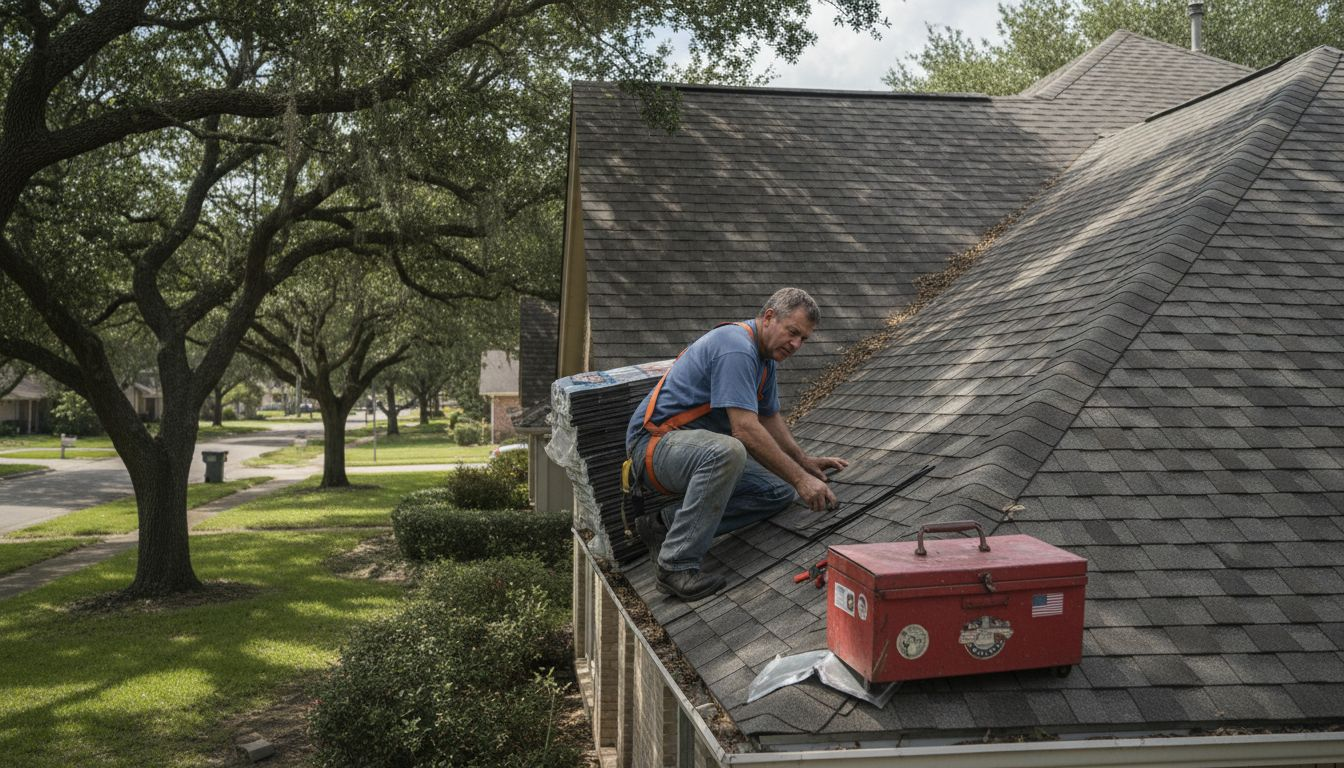
Severe storms roll through Houston every year, leaving roofs vulnerable to wind and water damage that can threaten your entire property. This reality makes understanding storm resistance a top priority for any property owner in this Gulf Coast city. Discover what makes a roofing system truly storm-resistant, from tested materials and smart roof designs to the installation methods proven to withstand Houston’s toughest weather.
Table of Contents
- Defining Storm Resistance In Roofing
- Common Roofing Materials For Storm Protection
- Essential Features Of Storm-Resistant Roofs
- Installation Techniques That Improve Durability
- Local Codes And Insurance Considerations
- Cost Factors And Mistakes To Avoid
Key Takeaways
| Point | Details |
|---|---|
| Importance of Storm Resistance | Homes in regions like Houston must utilize storm-resistant roofing to protect against hurricanes and severe weather. This involves proper design, quality materials, and skilled installation. |
| Material Selection Matters | Choosing high-quality roofing materials like metal or impact-resistant shingles is crucial for long-term durability and protection against extreme weather. |
| Installation Techniques are Key | Employing proper installation methods significantly enhances a roof’s resilience and performance in severe conditions. Hiring experienced professionals can prevent costly mistakes. |
| Adherence to Local Codes | Understanding and complying with local building codes can lead to better insurance coverage and reduced premiums, emphasizing the need for code-compliant roofing systems. |
Defining Storm Resistance in Roofing
Storm resistance in roofing represents a comprehensive system of design, materials, and construction techniques engineered to protect homes from severe weather conditions. In Houston, where hurricanes and intense thunderstorms are frequent, understanding storm resistance is not just a recommendation – it’s a necessity.
At its core, storm resistance involves strategic approaches that prevent wind, rain, and debris from compromising a roof’s structural integrity. These strategies include:
- Selecting wind-rated roofing materials
- Implementing robust fastening techniques
- Creating aerodynamic roof designs
- Using enhanced waterproofing membranes
- Reinforcing roof-to-wall connections
The wind-resistant roof design emphasizes critical structural elements that help homes withstand extreme weather. Professional roofing systems use specialized techniques like hurricane straps, ring-shank nails, and sealed roof decks to minimize potential damage during storms.
When evaluating storm resistance, homeowners should consider multiple factors beyond just material strength. The roof’s geometry, attachment methods, and edge detailing all play significant roles in determining how well a roofing system can protect a home during severe weather events.
A properly designed storm-resistant roof can reduce potential damage by up to 80% during hurricane-force winds.
Wind uplift resistance becomes particularly crucial in regions like Houston, where wind speeds can dramatically exceed standard building code requirements. Proper installation techniques, such as using enhanced fastening methods and creating sealed roof decks, significantly improve a roof’s ability to withstand extreme conditions.
Pro tip: Have a professional conduct a comprehensive storm resistance assessment of your existing roof to identify potential vulnerabilities before hurricane season arrives.
Common Roofing Materials for Storm Protection
Storm protection begins with selecting the right roofing materials that can withstand Houston’s unpredictable and intense weather conditions. Different roofing materials offer varying levels of durability, impact resistance, and wind protection, making the selection process critical for long-term home safety.
The most common storm-resistant roofing materials include:
- Asphalt Shingles: Affordable and widely used
- Metal Roofing: Extremely durable and wind-resistant
- Clay Tiles: Heavyweight and impact-resistant
- Synthetic Slate: Lightweight with high durability
- Standing Seam Metal Panels: Superior wind uplift protection
ASTM roofing standards provide crucial guidelines for evaluating the mechanical performance of these materials. Professional roofers use these standards to ensure that selected materials can effectively protect homes during extreme weather events.
Asphalt Shingles remain popular in Houston due to their cost-effectiveness and reasonable storm resistance. High-wind rated shingles can withstand wind speeds up to 130 miles per hour when properly installed, making them a solid choice for many homeowners. However, they typically have a shorter lifespan compared to metal or tile options.
Not all roofing materials are created equal – professional testing and installation are key to true storm protection.
Metal Roofing offers exceptional storm resistance, with some systems capable of withstanding winds exceeding 150 miles per hour. These roofs provide superior protection against wind uplift, hail damage, and water intrusion. Standing seam metal panels, in particular, create a tight, interlocking system that significantly reduces the risk of wind damage.
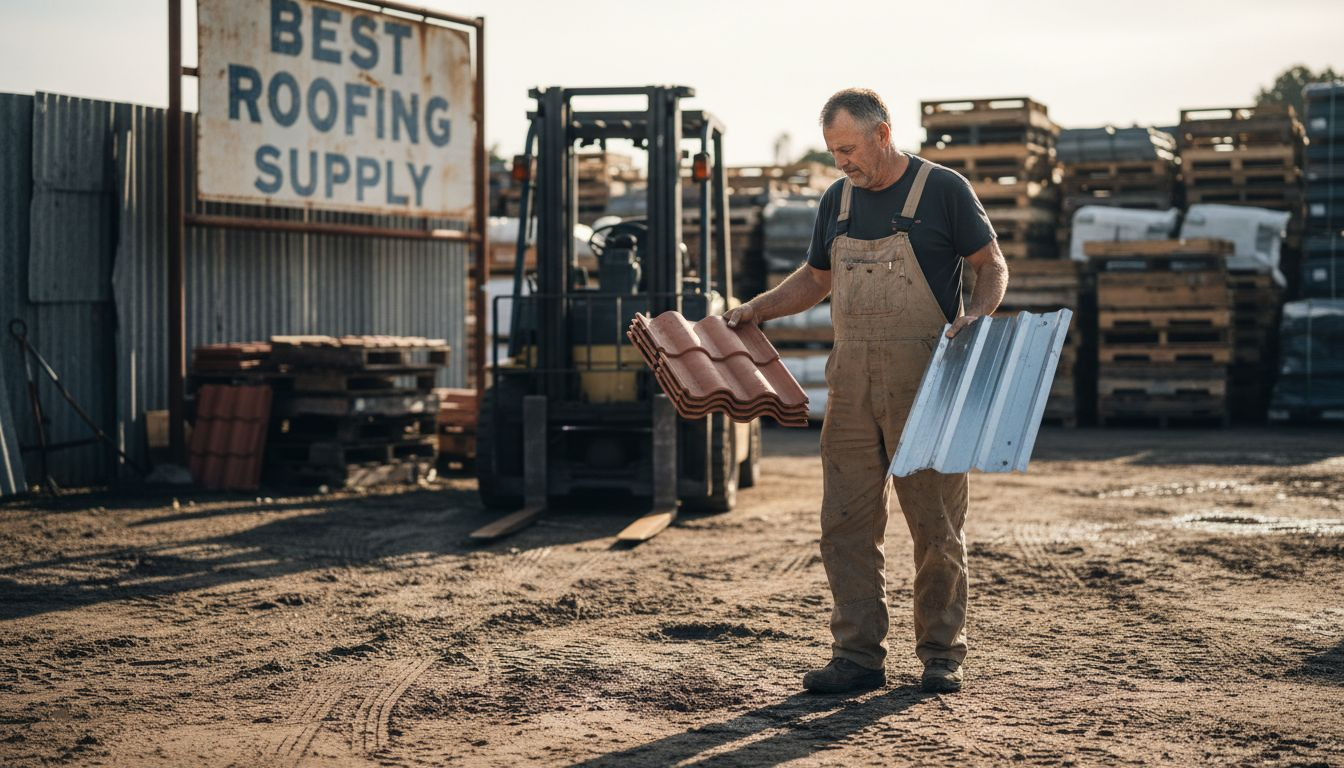
Tile Roofing, including clay and concrete varieties, provides excellent impact resistance and longevity. These heavyweight materials perform exceptionally well in high-wind environments, though they require robust structural support due to their weight.
Pro tip: Always consult a professional roofing contractor who understands local building codes and can recommend materials specifically tailored to Houston’s unique weather challenges.
Here’s a concise comparison of storm-resistant roofing materials commonly used in Houston:
| Material Type | Wind Resistance | Lifespan (Years) | Upfront Cost |
|---|---|---|---|
| Asphalt Shingles | Up to 130 mph | 15-30 | Low |
| Metal Roofing | 150+ mph | 40-70 | Moderate-High |
| Clay/Concrete Tile | 100-140 mph | 50-100 | High |
| Synthetic Slate | 110-120 mph | 40-50 | Moderate |
| Standing Seam Metal | 150+ mph | 40-70 | High |
Essential Features of Storm-Resistant Roofs
Protecting a home from Houston’s severe weather requires more than just selecting the right roofing material. Storm-resistant roofs are engineered systems with specific design features that work together to prevent structural damage during extreme weather events.
The key essential features of a storm-resistant roof include:
- Reinforced roof-to-wall connections
- Strategic roof geometry
- Enhanced fastening techniques
- Sealed roof decks
- Minimal roof penetrations
- Robust edge protection
Pathnet storm-resistant design recommendations highlight the critical importance of roof configuration in withstanding wind forces. Professional roofers understand that the roof’s shape and structural connections play a pivotal role in preventing catastrophic damage during hurricanes and severe thunderstorms.
Roof Geometry is a fundamental aspect of storm resistance. Hip roofs with moderate slopes are significantly more wind-resistant compared to traditional gable designs. The aerodynamic shape helps reduce wind uplift forces and minimizes the potential for structural failure during high-wind events.
A well-designed roof can reduce wind damage potential by up to 70% through strategic structural engineering.
Fastening Techniques represent another crucial component of storm-resistant roofing. Advanced systems use ring-shank nails installed in specific patterns to create stronger connections between roofing materials and the underlying deck. These enhanced fastening methods dramatically improve a roof’s ability to withstand wind pressures that could otherwise cause catastrophic damage.
Deck Sealing provides an additional layer of protection against water intrusion. By creating a fully sealed roof deck, homeowners can prevent water from penetrating the structural components of their roof, even if the outer roofing material is compromised during a storm.
Pro tip: Schedule a professional roof assessment that specifically evaluates your current roof’s storm resistance capabilities, identifying potential vulnerabilities before hurricane season arrives.
Installation Techniques That Improve Durability
Storm-resistant roofing goes far beyond material selection – the installation process plays a critical role in determining a roof’s long-term performance and resilience. Professional roofing contractors understand that precise installation techniques can dramatically enhance a roof’s ability to withstand Houston’s challenging weather conditions.
Key installation techniques that improve roof durability include:
- Precise nail placement and spacing
- Complete deck surface preparation
- Strategic use of hurricane straps
- Proper alignment of roofing panels
- Enhanced edge sealing methods
- Comprehensive waterproofing approaches
FORTIFIED roofing installation standards emphasize the importance of meticulous installation methods that go beyond traditional roofing practices. These advanced techniques focus on creating a unified, robust roofing system capable of resisting extreme wind and water pressures.
Nail Fastening represents a crucial technical aspect of durable roof installation. Ring-shank nails installed at specific angles and densities create significantly stronger connections between roofing materials and the underlying structural deck. The precise pattern and depth of nail placement can increase wind resistance by up to 40% compared to standard installation methods.
Proper installation techniques can transform average roofing materials into exceptional storm-resistant systems.
Deck Preparation is another critical factor in roof durability. A perfectly level, clean, and well-ventilated roof deck provides the essential foundation for long-lasting roofing performance. Professional installers carefully inspect and prepare the deck surface, ensuring no irregularities could compromise the roofing system’s integrity.
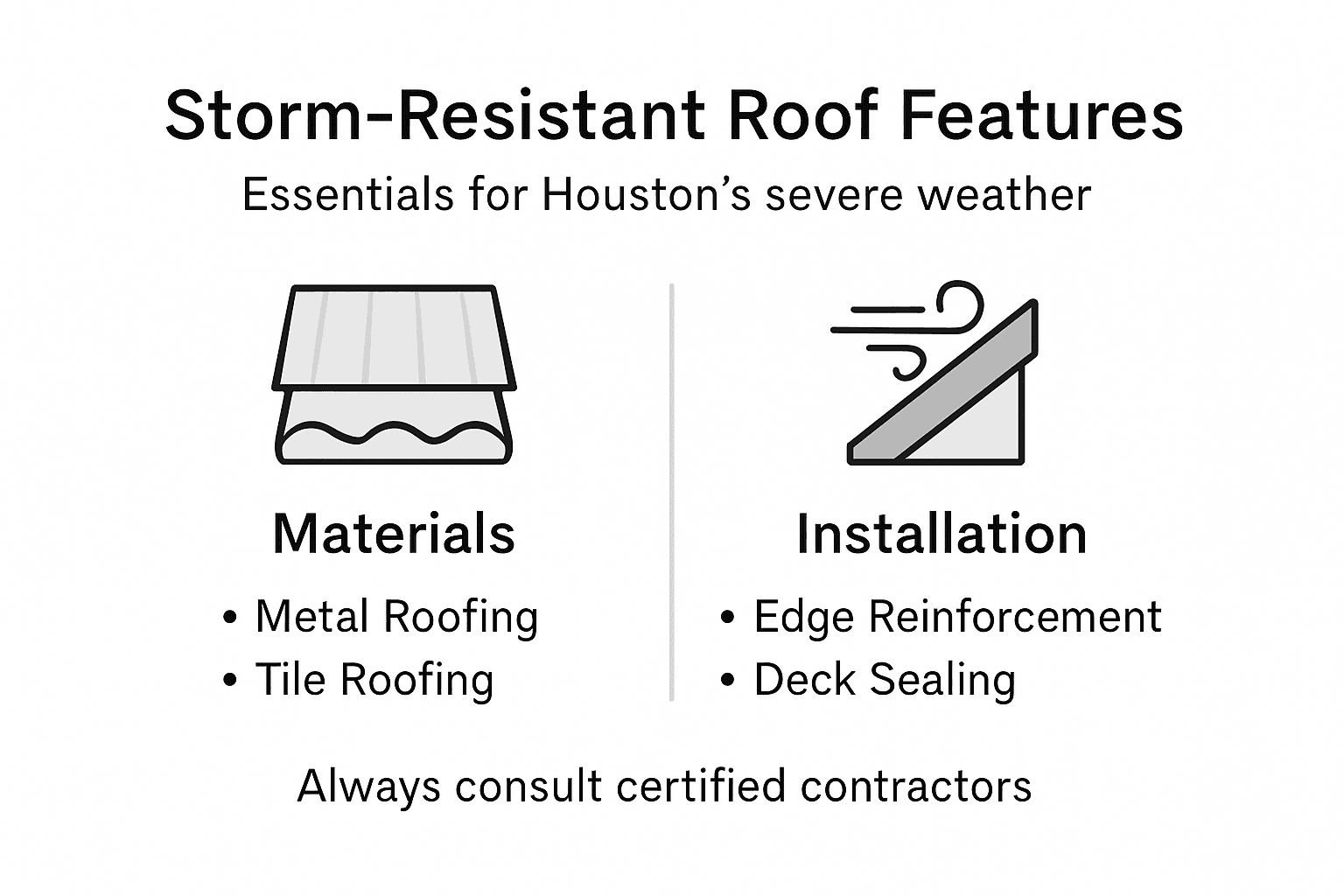
Edge Reinforcement techniques play a significant role in preventing wind damage. Wider drip edges, fully adhered starter strips, and strategic sealing of roof perimeters create a more robust defense against wind uplift and water intrusion. These methods help prevent the catastrophic roof failures often seen during severe storms.
Pro tip: Request documentation of installation techniques and specific methods used during your roof installation, ensuring they meet or exceed local building code storm resistance requirements.
Local Codes and Insurance Considerations
Navigating the complex landscape of local building codes and insurance requirements is crucial for Houston homeowners seeking comprehensive storm protection. These regulations not only ensure structural safety but can also significantly impact insurance premiums and coverage for residential roofing systems.
Key considerations for local codes and insurance include:
- Compliance with International Building Code (IBC) standards
- Wind resistance rating requirements
- Material certification standards
- Professional installation documentation
- Periodic roof inspection mandates
- Specific Houston metropolitan area regulations
Building code compliance standards play a critical role in determining a roof’s insurability and overall storm resilience. Local jurisdictions often adopt specialized amendments to national building codes that reflect the unique weather challenges specific to the Gulf Coast region.
Insurance Underwriting involves a comprehensive evaluation of roofing systems, with insurers closely examining installation methods, material quality, and adherence to local building codes. Roofs that meet or exceed FORTIFIED Home standards can potentially qualify for significant insurance discounts, sometimes reducing premiums by up to 30%.
Proper documentation and code compliance can transform your roof from a potential liability to an insurance-friendly asset.
Wind Load Requirements represent a critical aspect of local building regulations in Houston. The city’s proximity to hurricane-prone regions means that roofing systems must withstand extreme wind pressures, typically requiring materials and installation techniques rated for winds exceeding 130 miles per hour.
Homeowners should be aware that insurance providers frequently update their requirements based on emerging building science and historical storm damage data. Staying informed about these evolving standards is essential for maintaining comprehensive property protection.
Pro tip: Request a detailed code compliance report from your roofing contractor that explicitly outlines how your proposed roofing system meets or exceeds current local building and insurance standards.
Cost Factors and Mistakes to Avoid
Understanding the financial landscape of storm-resistant roofing requires careful consideration of both immediate expenses and long-term value. Houston homeowners must balance upfront costs with the potential savings generated by investing in high-quality, durable roofing systems that can withstand extreme weather conditions.
Key cost factors and potential mistakes include:
- Material selection and quality variations
- Labor and installation complexity
- Long-term performance and durability
- Potential insurance premium impacts
- Repair and maintenance expenses
- Overlooked structural upgrades
Roofing industry cost statistics reveal that the average roof replacement ranges from $7,000 to $12,000, with significant variations based on material choices and local market conditions. Labor typically represents 60% of total project costs, underscoring the importance of selecting skilled, experienced professionals.
Material Selection represents a critical decision point for homeowners. While budget-friendly options like standard asphalt shingles might seem attractive initially, they often lack the durability required in Houston’s challenging climate. Investing in higher-quality materials like metal roofing or impact-resistant shingles can provide substantial long-term savings by reducing frequent repair and replacement expenses.
Cutting corners on roofing can lead to exponentially higher costs through repeated repairs and premature system failure.
Installation Quality significantly impacts a roof’s performance and longevity. Cheap, inexperienced contractors might offer lower initial quotes, but their work can result in critical vulnerabilities that compromise the entire roofing system. Professional installation ensures proper techniques, correct material usage, and adherence to local building codes.
Homeowners should be wary of common mistakes such as partial roof replacements, ignoring underlying structural issues, or selecting materials unsuited to Houston’s extreme weather patterns. These errors can lead to cascading problems that dramatically increase overall maintenance and replacement costs.
To help homeowners avoid costly errors, consider this summary of common mistakes and their long-term effects:
| Mistake | Potential Consequence | Prevention Tip |
|---|---|---|
| Inadequate material selection | Early roof failure, frequent repairs | Invest in rated, durable materials |
| Poor installation practices | Major leaks, storm blow-offs | Hire certified, experienced crews |
| Ignoring code compliance | Insurance claim denials, fines | Obtain code compliance reports |
Pro tip: Request detailed written estimates that break down material costs, labor expenses, and long-term performance projections to make a truly informed roofing investment decision.
Secure Your Houston Home with Expert Storm-Resistant Roofing Solutions
Protecting your home from Houston’s extreme weather demands more than just the right materials. As highlighted in the article, challenges like wind uplift, water intrusion, and structural vulnerabilities require precise design, quality products, and professional installation. Mister ReRoof understands these critical pain points and has extensive experience delivering durable, storm-resistant roofs tailored specifically for Houston’s severe weather conditions.
Don’t wait until the next storm threatens your home. Benefit from Mister ReRoof’s expertise in advanced fastening techniques, reinforced connections, and premium materials such as metal and high-wind rated shingles. Visit our homepage to explore how our team ensures your roof meets local codes and maximizes insurance benefits. Schedule a free estimate today and take the first step toward a safer, more resilient roof that protects your family and investment.
Frequently Asked Questions
What is storm resistance in roofing?
Storm resistance in roofing refers to design, materials, and construction methods specifically engineered to protect homes from severe weather, such as high winds, heavy rain, and debris impacts.
What roofing materials are considered storm-resistant?
Common storm-resistant roofing materials include asphalt shingles, metal roofing, clay tiles, synthetic slate, and standing seam metal panels, each offering various levels of durability, impact resistance, and wind protection.
How does installation affect a roof’s storm resistance?
Proper installation techniques, including precise nail placement and strategic use of reinforcement methods, significantly enhance a roof’s ability to withstand severe weather conditions and prevent structural damage.
Why is it important to comply with local building codes for roofing?
Compliance with local building codes ensures that roofing systems meet safety standards and can withstand environmental conditions. It also influences insurance eligibility and premium costs for homeowners.
Recommended
- Durable Roofing Solutions for Houston Weather
- Houston Weather and Roofing: Staying Storm-Proof
- How to Select Roofing Materials for Lasting Results
- 7 Roof Replacement Tips for Houston Homeowners
- climate adaptive urban planning | 3D Cityplanner
- Roofing Contractor El Campo TX
- Metal Roof Replacement El Campo TX
