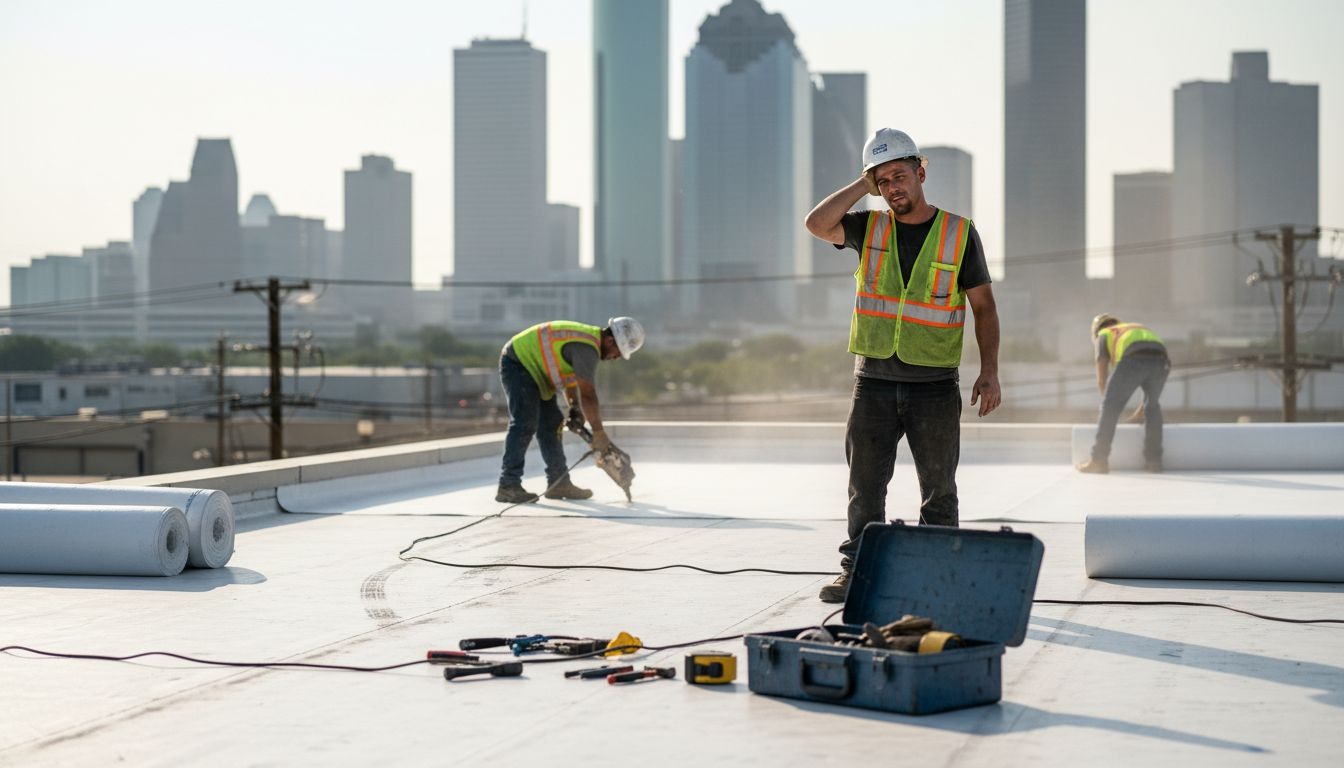
Extreme weather costs American commercial property managers over $30 billion in roofing claims each year, and Houston owners know this risk all too well. When every storm season threatens expensive downtime, choosing the right commercial roofing system becomes a smart financial decision. This guide breaks down key roofing options, critical weather defenses, smart maintenance tactics, and how to avoid costly mistakes so you can protect your budget and your building for many years.
Table of Contents
- Commercial Roofing Core Concepts Explained
- Main Types of Commercial Roofing Systems
- Essential Features For Houston’s Weather
- Maintenance Practices And Longevity Impact
- Cost, Risks, And Common Pitfalls
Key Takeaways
| Point | Details |
|---|---|
| Importance of Professional Inspections | Schedule comprehensive professional inspections biannually to identify vulnerabilities and extend your commercial roof’s lifespan. |
| Tailored Roofing Solutions | Choose roofing materials and systems that are specifically designed for the environmental and operational needs of your building type. |
| Critical Maintenance Practices | Implement seasonal maintenance strategies to address unique challenges throughout the year and prevent significant structural issues. |
| Cost Management and Risk Awareness | Develop a five-year financial projection for your roofing system to assess lifecycle costs and avoid long-term financial burdens. |
Commercial Roofing Core Concepts Explained
Commercial roofing represents a sophisticated engineering discipline focused on protecting large-scale business structures through specialized design and advanced materials. Unlike residential roofing, commercial systems must address significantly more complex requirements, including substantial square footage, rigorous building code compliance, and integrated support for extensive rooftop equipment. Commercial roof systems demand comprehensive engineering that balances structural integrity, weather resistance, and energy efficiency.
These robust roofing solutions typically feature low-slope or completely flat designs engineered to withstand extreme environmental conditions while supporting significant weight loads. Critically, commercial roofs incorporate multiple sophisticated layers including specialized membranes, advanced insulation materials, vapor barriers, and precision drainage systems. The primary objective goes far beyond simple weather protection – these systems must maintain consistent interior temperatures, prevent moisture infiltration, and provide long-term durability under challenging conditions.
Key performance considerations for commercial roofing include thermal efficiency, water resistance, structural load capacity, and maintenance accessibility. Different building types require tailored roofing approaches, whether for warehouses, office complexes, educational institutions, or industrial facilities. Materials like modified bitumen, thermoplastic polyolefin (TPO), ethylene propylene diene monomer (EPDM), and metal panels offer distinct advantages depending on specific environmental and operational requirements.
Pro Tip: Always schedule comprehensive professional inspections twice annually to identify potential vulnerabilities and extend your commercial roof’s operational lifespan.
Main Types of Commercial Roofing Systems
Commercial roofing encompasses several specialized systems designed to meet diverse architectural and environmental challenges. Flat roof systems represent the most common configuration, particularly for warehouses, industrial facilities, and large commercial buildings. These low-slope designs maximize usable space and provide optimal platforms for installing mechanical equipment, solar panels, and other rooftop infrastructure.
The primary commercial roofing materials include thermoplastic polyolefin (TPO), ethylene propylene diene monomer (EPDM), modified bitumen, and metal panel systems. TPO offers exceptional energy efficiency with its reflective white surface, reducing cooling costs by reflecting solar radiation. EPDM rubber roofing provides superior durability and weather resistance, making it ideal for regions experiencing extreme temperature fluctuations. Modified bitumen systems deliver robust performance through multiple layers of reinforced membranes, creating a seamless and highly protective roofing solution.
Metal roofing systems have gained significant popularity in commercial applications due to their exceptional longevity, fire resistance, and minimal maintenance requirements. These systems can be constructed from aluminum, steel, or copper, offering versatile design options that accommodate different architectural styles and performance needs. Each material brings unique advantages, from lightweight aluminum’s corrosion resistance to steel’s structural strength and copper’s aesthetic appeal.
The following table compares key commercial roofing materials and their suited building uses:
| Material Type | Best Suited For | Standout Advantage |
|---|---|---|
| TPO | Office complexes | High energy efficiency |
| EPDM | Industrial facilities | Durable in harsh climates |
| Modified Bitumen | Warehouses | Strong multi-layer defense |
| Metal Panels | Retail spaces, schools | Long lifespan, fire safe |
Pro Tip: Conduct a comprehensive building assessment before selecting a roofing system to ensure optimal compatibility with your specific structural, environmental, and budgetary constraints.
Essential Features for Houston’s Weather
Houston’s unique climate demands specialized commercial roofing solutions that can withstand extreme heat, intense humidity, and frequent severe storm systems. Shingle roof replacements in this region require advanced materials engineered to resist ultraviolet radiation, thermal expansion, and sudden temperature fluctuations that can rapidly degrade traditional roofing systems.
Critical weather-resistant features for Houston commercial roofs include high solar reflectivity, robust waterproofing membranes, and enhanced wind uplift resistance. The city’s hurricane-prone environment necessitates roofing systems capable of withstanding wind speeds exceeding 110 miles per hour, with multiple layers of protective barriers to prevent moisture penetration. Thermal shock resistance becomes paramount, as surface temperatures can fluctuate dramatically between scorching midday heat and sudden thunderstorm cooling.
Materials like thermoplastic polyolefin (TPO) and modified bitumen offer exceptional performance in Houston’s challenging environment. These advanced roofing systems incorporate specialized reflective coatings that can reduce surface temperatures by up to 30%, significantly lowering cooling costs and minimizing thermal stress on the building structure. Additional protective features such as seamless membrane installations, reinforced edge detailing, and integrated drainage systems help mitigate the risks associated with heavy rainfall and potential flooding.
Pro Tip: Invest in annual professional roof inspections specifically designed for Houston’s extreme weather conditions to identify and address potential vulnerabilities before they become costly repairs.
Maintenance Practices and Longevity Impact
Commercial roofing maintenance represents a critical investment in protecting your building’s structural integrity and long-term performance. Comprehensive roof maintenance strategies can dramatically extend a roof’s operational life, potentially doubling its expected service duration through strategic, proactive care. Professional maintenance involves systematic inspections, targeted repairs, and preventative interventions that address potential vulnerabilities before they escalate into significant structural problems.
Seasonal maintenance practices play a pivotal role in commercial roof preservation, with each season presenting unique challenges. Spring inspections should focus on identifying winter damage, such as membrane cracking or structural stress from freeze-thaw cycles. Summer maintenance requires applying protective coatings to enhance ultraviolet resistance and mitigate heat-related degradation. Fall maintenance concentrates on clearing drainage systems, removing debris, and preparing the roof for potential winter weather challenges. These cyclical interventions help prevent moisture infiltration, structural weakening, and premature system failure.
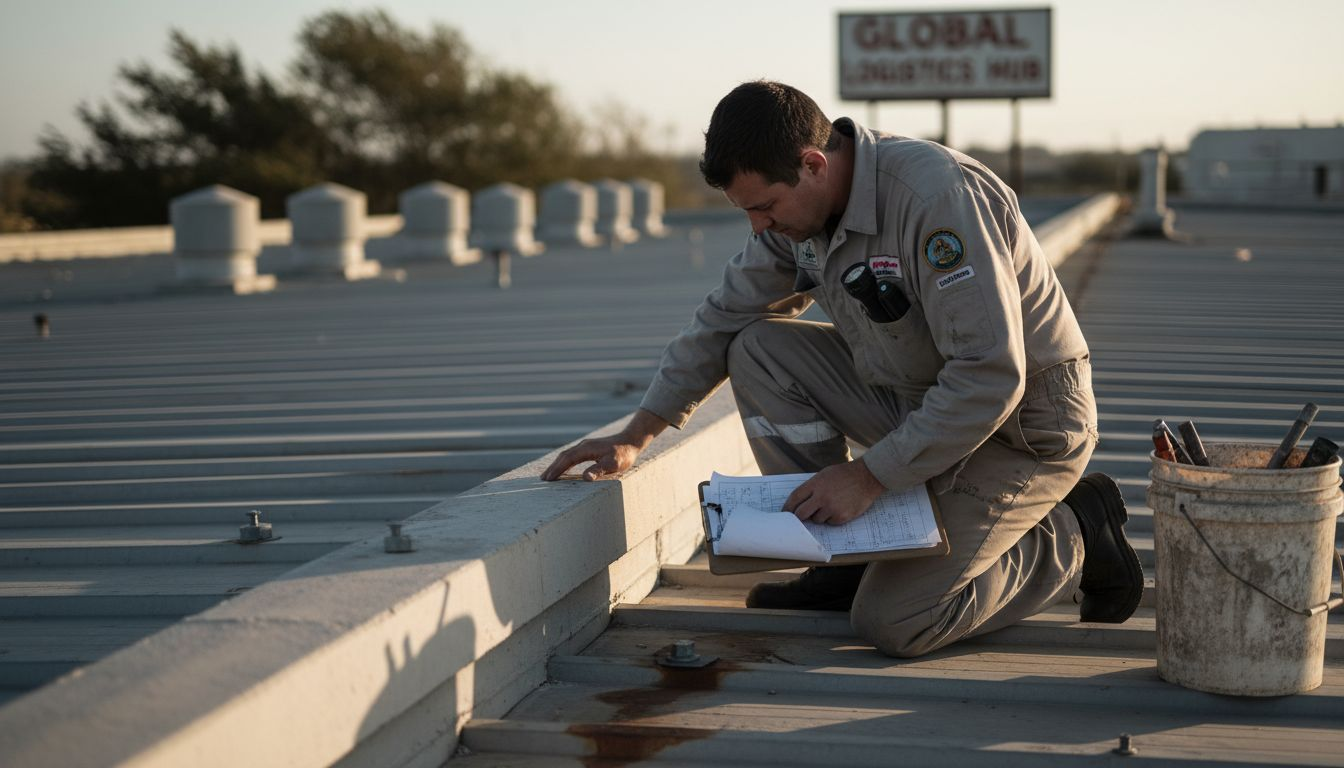
The longevity of commercial roofing systems directly correlates with the frequency and quality of professional maintenance. Different roofing materials demonstrate varying lifespans – TPO and EPDM systems can potentially reach 20-30 years with rigorous care, while metal roofing might exceed 40 years under optimal conditions. Critical maintenance activities include regular surface cleaning, prompt repair of minor damages, comprehensive drainage system management, and detailed documentation of all interventions. Implementing a structured maintenance protocol can translate into substantial long-term cost savings by avoiding expensive emergency repairs and premature roof replacement.
Pro Tip: Develop a comprehensive maintenance log that tracks all inspections, repairs, and environmental exposures to create a strategic roadmap for your commercial roof’s ongoing preservation.
Cost, Risks, and Common Pitfalls
Recent industry data reveals that roof-related expenses in the United States have escalated dramatically, reaching nearly $31 billion in 2024. Commercial property managers face substantial financial risks from inadequate roofing strategies, with potential losses stemming from poor material selection, improper installation, and delayed maintenance. Understanding these financial implications requires a comprehensive approach to roofing investment that goes beyond initial installation costs.
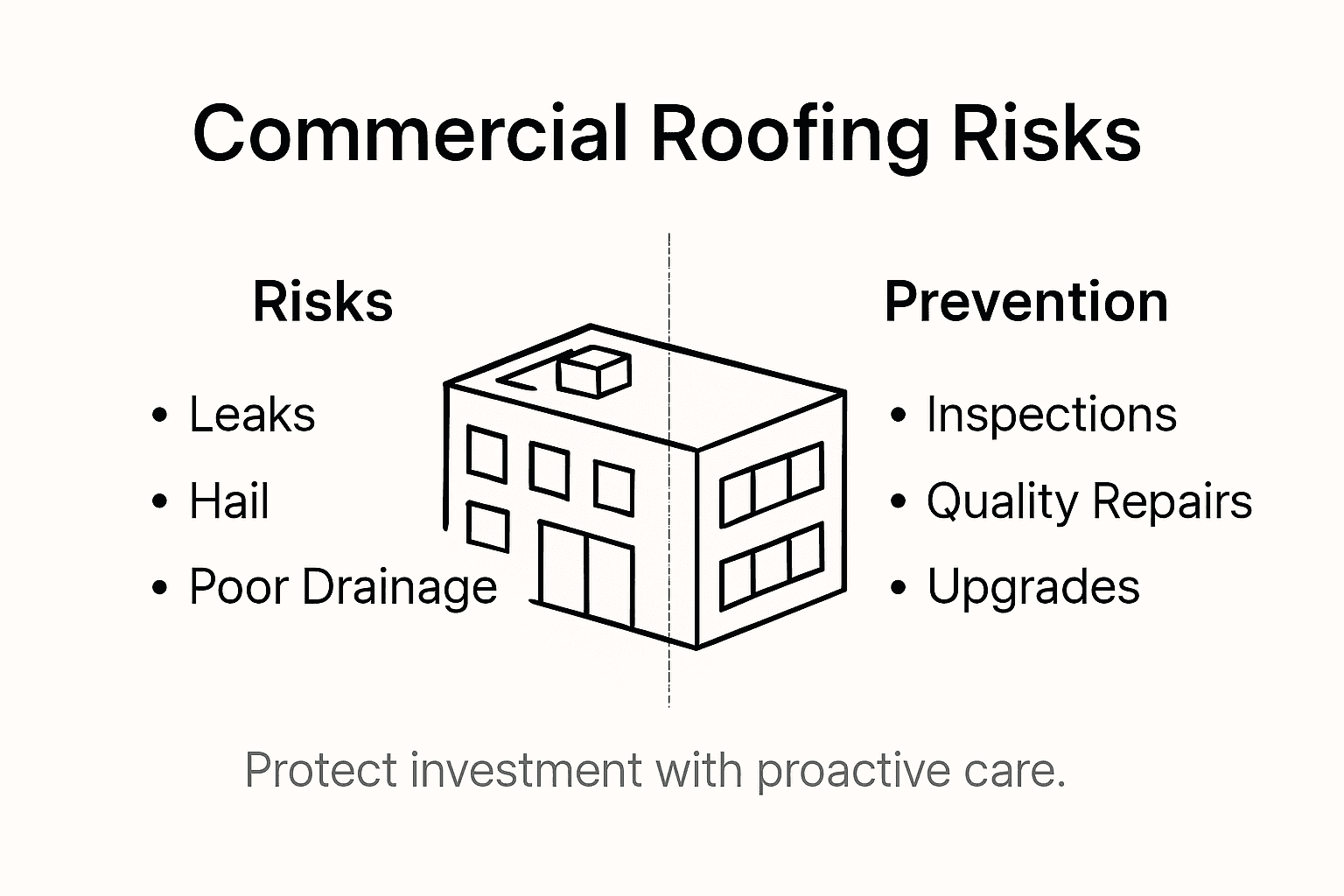
Critical risks in commercial roofing include weather-related damage, premature system failure, and unexpected repair expenses. Common pitfalls often emerge from cutting corners during initial installation or neglecting routine maintenance. Improper drainage design, substandard material selection, and insufficient wind uplift protection can transform a seemingly economical roofing solution into a significant long-term financial burden. Professional assessments suggest that every dollar saved during initial installation can potentially translate into three to five dollars of future repair and replacement expenses.
Budget management in commercial roofing demands a holistic perspective that considers lifecycle costs rather than just upfront expenses. Factors such as material durability, local climate challenges, installation quality, and maintenance frequency all contribute to the total cost of ownership. Advanced roofing systems might require higher initial investments but can significantly reduce long-term expenses through improved energy efficiency, reduced repair frequency, and extended operational lifespan. Property managers must carefully balance immediate budget constraints with potential future savings and risk mitigation strategies.
Here is a summary of common commercial roofing risks and effective prevention strategies:
| Risk Factor | Potential Impact | Prevention Strategy |
|---|---|---|
| Poor material choice | Higher repair, short lifespan | Conduct thorough material review |
| Improper installation | Leaks, early failure | Use certified installers |
| Neglected upkeep | Emergency repairs, high costs | Schedule regular inspections |
| Bad drainage design | Water pooling, roof damage | Ensure optimized drainage plans |
Pro Tip: Develop a comprehensive five-year financial projection for your roofing system that includes projected maintenance costs, potential repair expenses, and estimated energy savings to make more informed investment decisions.
Protect Your Commercial Investment with Expert Roofing Solutions
Navigating the complex world of commercial roofing requires more than just basic repairs. You need a trusted partner who understands Houston’s extreme weather challenges and the technical demands of systems like TPO, EPDM, and modified bitumen. At Mister ReRoof, we specialize in delivering durable, energy-efficient commercial roof replacements tailored to your building’s unique needs. Our experienced team ensures seamless installations and reliable maintenance plans that extend your roof’s lifespan and protect your investment from costly damage.
Key benefits of choosing Mister ReRoof include:
- Customized roofing solutions designed to meet demanding performance and structural requirements
- High-quality materials engineered for Houston’s heat, humidity, and storms
- Proactive maintenance strategies that prevent leaks and premature system failure
Ready to safeguard your commercial building with trusted roofing expertise Learn more about our commercial roofing services at Mister ReRoof and request your free estimate today Don’t wait until minor issues turn into costly repairs Visit this page to start your roofing project with Houston’s trusted roofing contractor now
Frequently Asked Questions
What is commercial roofing?
Commercial roofing refers to specialized roofing systems designed to protect large-scale business structures, incorporating advanced materials and engineering to address factors such as moisture resistance, structural integrity, and energy efficiency.
How do commercial roofing materials compare?
Different commercial roofing materials, such as TPO, EPDM, modified bitumen, and metal panels, offer unique advantages. TPO is energy-efficient, EPDM is durable in harsh climates, modified bitumen provides strong protection, and metal panels are known for their longevity and minimal maintenance.
Why is maintenance important for commercial roofing systems?
Regular maintenance is essential for extending the lifespan of commercial roofs, as it helps identify vulnerabilities, prevent moisture infiltration, and address minor damages before they escalate into costly repairs or replacements.
What are the risks associated with commercial roofing?
Key risks include weather-related damage, premature system failure, and high repair costs. Poor material choice, improper installation, and neglected maintenance can all lead to significant financial burdens over time.
