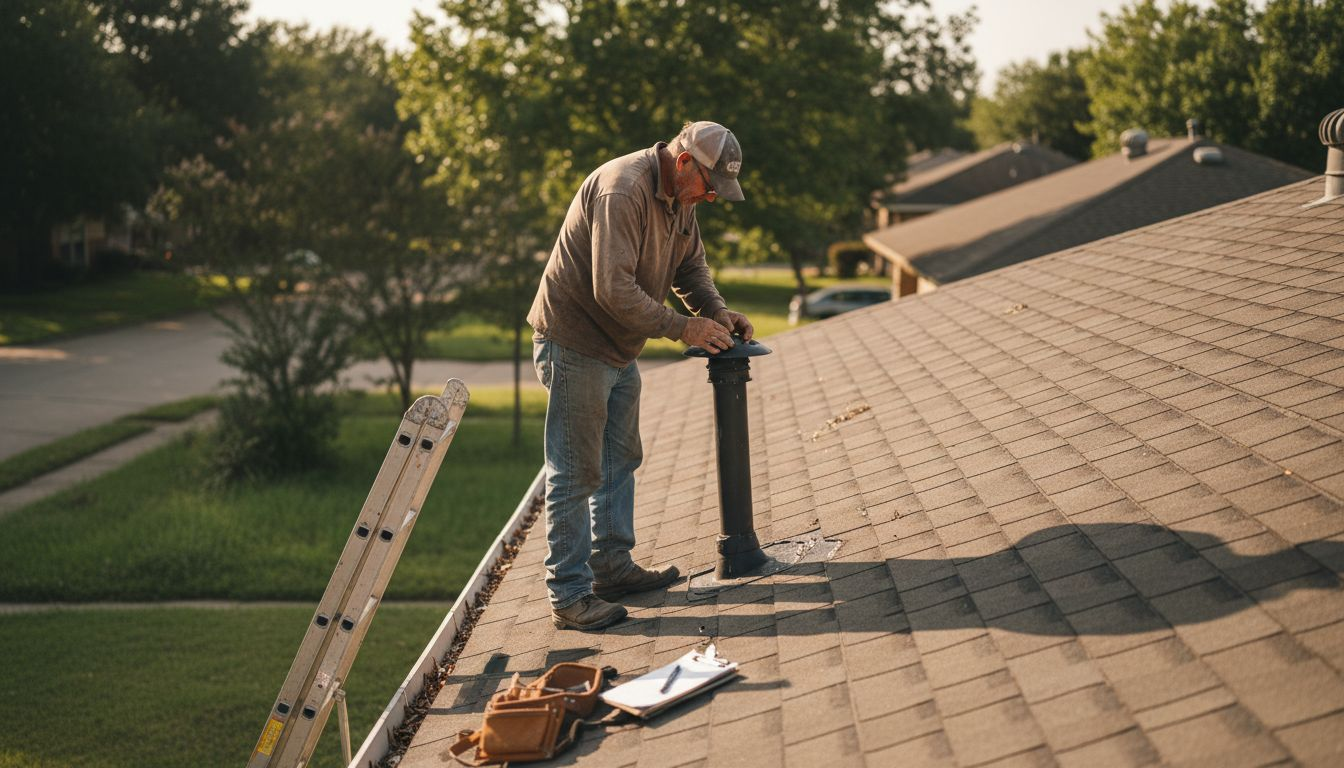
Heavy rains and hurricane winds are more than a passing inconvenience for Houston families. Protecting your home starts with choosing a roof that truly stands up to Gulf Coast extremes. Investing in durable roofing options brings peace of mind, keeping your property safe while saving you from costly repairs down the road. Discover how a strong roof acts as your home’s first line of defense and why reliable materials make all the difference in Houston’s unpredictable weather.
Table of Contents
- Roofing’s Role In Home Protection
- Types Of Roofing Systems For Houston
- How Roofing Shields Against Weather Damage
- Energy Efficiency And Home Comfort Benefits
- Common Roofing Risks And How To Avoid Them
Key Takeaways
| Point | Details |
|---|---|
| Roofing is Essential for Protection | In Houston’s severe weather, a robust roofing system is vital for safeguarding both property and family. |
| Proper Materials and Design Matter | Choose roofing materials that provide durability, thermal reflection, and moisture resistance to withstand unique climate challenges. |
| Regular Inspections are Crucial | Schedule annual inspections to identify vulnerabilities and prevent costly repairs from unaddressed issues. |
| Energy Efficiency Enhances Comfort | Advanced roofing systems can significantly reduce cooling costs and improve indoor comfort through effective thermal management. |
Roofing’s Role in Home Protection
Your home’s roof is more than just a structural covering – it’s a critical defense system protecting your entire Houston household from severe weather and environmental challenges. In the Gulf Coast region, where hurricanes, intense thunderstorms, and extreme heat are common, a robust roofing system isn’t optional – it’s essential for preserving your property’s integrity and your family’s safety.
Roofing serves as your home’s primary shield against multiple environmental threats. Specific construction practices help create a resilient barrier that prevents water intrusion, wind damage, and structural compromise. These practices include:
- Using thicker roof decking materials
- Securing roof decks with ring shank nails
- Sealing roof deck connections
- Installing comprehensive drip edges
- Selecting wind-rated shingles designed for high-stress environments
The FORTIFIED Home program highlights how strategic roofing design can significantly reduce potential damage during severe weather events. By implementing specialized techniques, homeowners can create a more resistant exterior that minimizes risks from hurricanes, hailstorms, and high-velocity winds.
Wind resistance represents a critical aspect of effective roofing protection. A properly constructed roof can withstand wind speeds up to 130 miles per hour, preventing catastrophic structural failure and protecting your home’s interior from water damage and debris intrusion.
Materials matter immensely in Houston’s challenging climate. Roofing materials must balance durability, heat reflection, and moisture resistance. Metal roofing, high-grade asphalt shingles, and specialized coating technologies offer superior protection against the region’s intense solar radiation and frequent storm systems.
Pro tip: Invest in an annual professional roof inspection to catch potential vulnerabilities before they become expensive repair projects.
Types of Roofing Systems for Houston
Houston’s unique climate demands specialized roofing solutions that can withstand extreme heat, intense thunderstorms, and potential hurricane conditions. Roofing materials must meet rigorous performance standards designed to protect homes in this challenging environmental region.
The most common roofing systems for Houston homes include:
- Asphalt Shingle Roofing
- Most affordable option
- Widely available
- Decent heat and wind resistance
- Metal Roofing
- Superior durability
- Excellent heat reflection
- Long-term cost-effectiveness
- Tile Roofing
- Excellent aesthetic appeal
- Strong wind resistance
- Higher installation costs
- Composite Roofing
- Lightweight materials
- Versatile design options
- Moderate weather protection
Each roofing system offers unique advantages tailored to different homeowner needs. Durability remains a critical factor in Houston, where roofing materials must consistently perform under extreme temperature variations and severe weather events.
Here’s a comparison of Houston’s popular roofing systems based on key performance factors:
| Roofing Type | Durability | Cost Effectiveness | Energy Efficiency |
|---|---|---|---|
| Asphalt Shingle | Moderate | High | Moderate |
| Metal Roofing | Excellent | High (long-term) | Superior |
| Tile Roofing | Excellent | Lower (due to cost) | Good |
| Composite Roofing | Good | Moderate | Moderate |
Wind resistance represents another crucial consideration for Houston homeowners. The FORTIFIED Home program highlights that roofing systems must withstand wind speeds up to 130 miles per hour, making material selection and proper installation paramount for protecting your property.
Materials science plays a significant role in modern roofing technologies. Advanced coating technologies and specialized materials now offer enhanced protection against solar radiation, moisture intrusion, and structural degradation.
Pro tip: Consult with a local roofing professional who understands Houston’s specific climate challenges before selecting your roofing system.
How Roofing Shields Against Weather Damage
Houston’s extreme weather demands comprehensive roofing protection strategies that go far beyond simple coverage. Roof assemblies must control multiple environmental challenges by employing sophisticated design principles that prevent structural damage and maintain home integrity.
Critical weather defense mechanisms for Houston roofing include:
- Wind Resistance
- Secure roof deck attachments
- Enhanced edge reinforcement
- Wind-rated material selections
- Water Intrusion Prevention
- Sealed roof connections
- Comprehensive moisture barriers
- Strategic drainage design
- Thermal Management
- Heat-reflective materials
- Proper ventilation systems
- Insulation integration
Structural vulnerabilities represent the primary concern for Houston homeowners. Roofing systems must withstand multiple simultaneous environmental stressors, including intense solar radiation, high humidity, sudden temperature shifts, and potential hurricane-force winds.
The FORTIFIED Roof certification highlights specific protective strategies, emphasizing that effective weather shielding requires more than just surface-level protection. Critical elements like edge sealing, robust deck attachment, and impact-resistant materials create a comprehensive defense system against Houston’s unpredictable climate.
Material engineering plays a crucial role in modern roofing technologies. Advanced composite materials now offer unprecedented levels of protection, combining lightweight construction with remarkable durability and resistance to environmental degradation.
Pro tip: Schedule professional roof inspections twice annually to identify and address potential weather vulnerability points before they become significant issues.
Energy Efficiency and Home Comfort Benefits
Houston homeowners face unique challenges in maintaining comfortable indoor environments while managing energy costs. Proper insulation strategies dramatically improve home performance by creating a comprehensive thermal barrier that reduces energy consumption and enhances living comfort.
Key energy efficiency benefits of advanced roofing systems include:
- Thermal Regulation
- Reduced heat transfer
- Consistent indoor temperatures
- Minimized thermal stress
- HVAC System Optimization
- Lower energy consumption
- Decreased system strain
- Extended equipment lifespan
- Moisture Control
- Prevents condensation buildup
- Reduces potential mold growth
- Maintains structural integrity
Heat reflection represents a critical component of energy-efficient roofing in Houston’s intense climate. Modern roofing materials incorporate advanced technologies that actively deflect solar radiation, preventing heat absorption and reducing interior temperature fluctuations.
The building envelope’s performance directly impacts household comfort and utility expenses. Strategic roofing design can reduce cooling costs by up to 30%, creating significant long-term financial savings while maintaining a consistently comfortable indoor environment.
Thermal engineering has revolutionized residential roofing, transforming what was once a simple protective covering into a sophisticated system that actively manages energy dynamics. Advanced materials now combine lightweight construction with remarkable insulative properties, giving homeowners unprecedented control over their indoor climate.
Pro tip: Choose roofing materials with high solar reflectance index ratings to maximize energy efficiency and reduce cooling costs in Houston’s challenging climate.
Common Roofing Risks and How to Avoid Them
Houston homeowners face numerous potential roofing challenges that can compromise their home’s structural integrity and safety. Critical workplace safety practices help prevent catastrophic roof-related incidents by identifying and mitigating potential risks before they escalate.
Key roofing risks in Houston include:
- Structural Damage
- Water intrusion
- Wood rot
- Foundation compromise
- Weather-Related Risks
- Wind damage
- Hail impact
- Sudden temperature shifts
- Maintenance Neglect
- Undetected leaks
- Accumulated debris
- Deteriorating materials
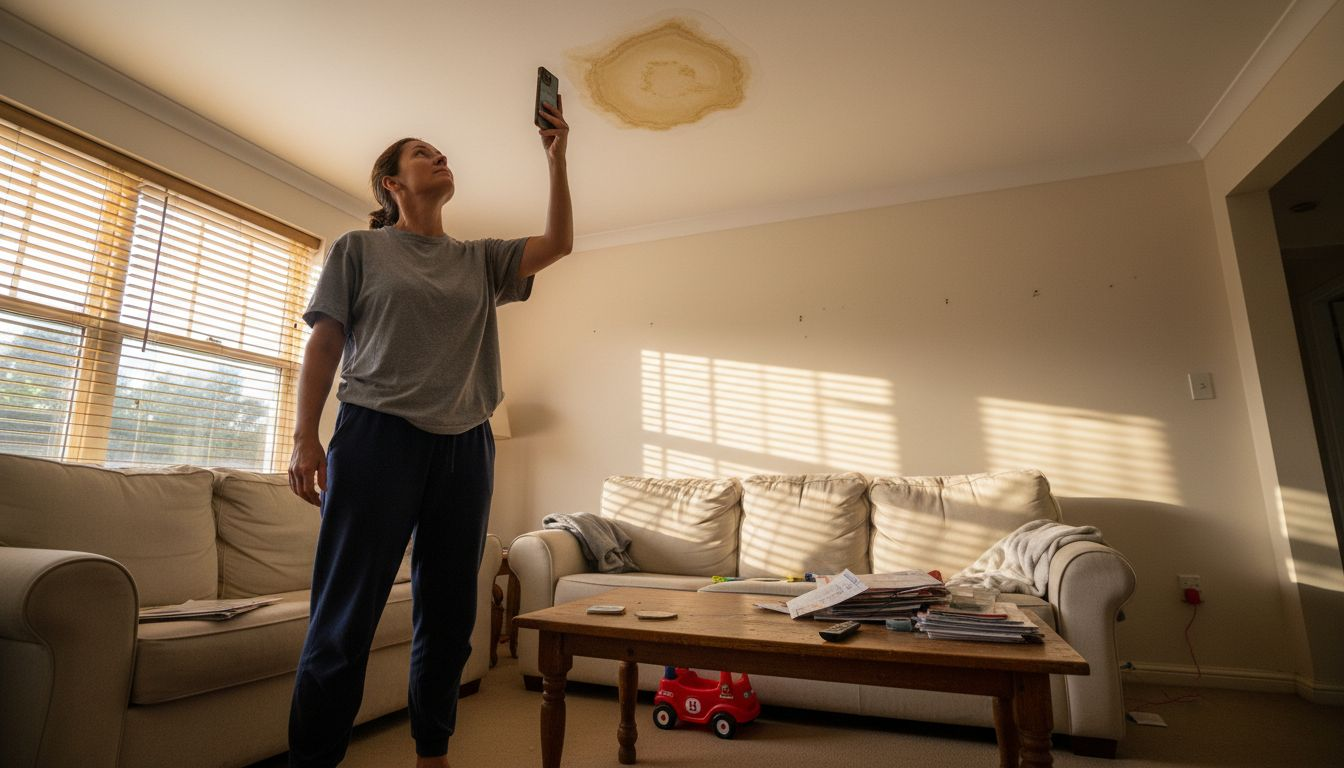
Water infiltration represents the most insidious threat to residential roofing systems. Microscopic cracks, improperly sealed edges, and compromised flashing can allow moisture to penetrate, creating long-term structural damage that often goes unnoticed until significant repairs become necessary.
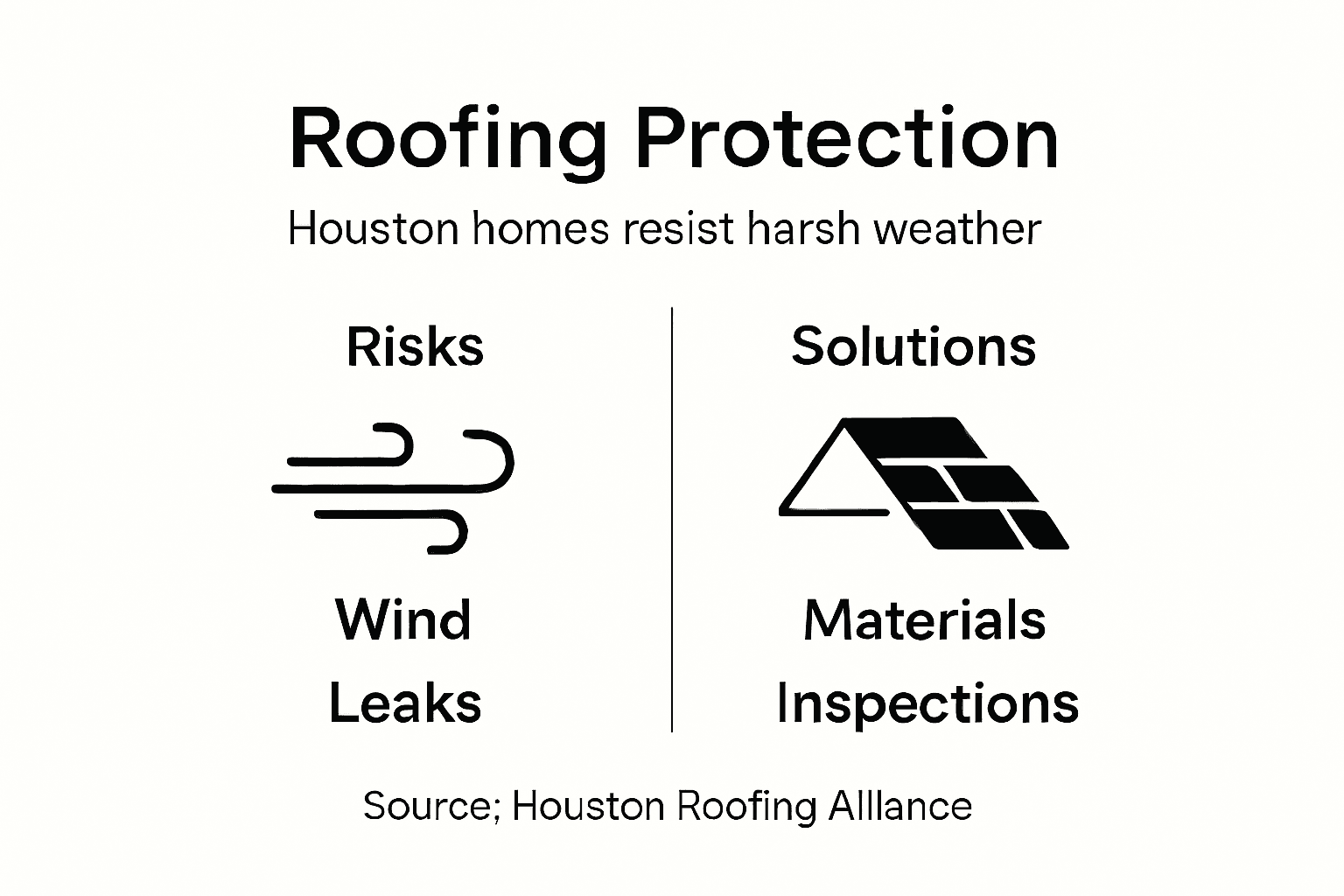
Seasonal challenges in Houston create unique stress on roofing materials. Intense summer heat, sudden thunderstorms, and potential hurricane conditions demand a proactive approach to roof maintenance and risk management. Professional inspections can identify potential vulnerabilities before they transform into costly repairs.
Preventative strategies are crucial in mitigating roofing risks. Regular professional assessments, prompt repair of minor damages, and strategic material selection can significantly extend a roof’s functional lifespan and protect the entire home from potential structural compromises.
Pro tip: Schedule comprehensive roof inspections twice annually, focusing on potential weak points and areas most susceptible to weather-related damage.
This table summarizes critical roof inspection timing and the issues each visit helps address:
| Inspection Frequency | Main Purpose | Common Issues Detected |
|---|---|---|
| Annual (proactive) | Preventative maintenance | Early material wear, debris |
| Twice yearly (seasonal) | Address weather impact zones | Water infiltration, storm damage |
| Post-storm inspection | Assess recent weather risks | Hidden leaks, shingle loss |
Protect Your Houston Home with Expert Roofing Solutions
Houston’s unique climate demands roofing that combines exceptional wind resistance, water intrusion prevention, and energy efficiency. If you want to shield your home from storms, extreme heat, and costly damage identified in the article “How Roofing Protects Your Home in Houston,” Mister ReRoof offers durable, storm-resistant roofing systems designed specifically for these challenges. With experience in metal, shingle, flat, and TPO roofing, we deliver the superior protection and lasting comfort your family deserves.
Experience peace of mind with professional services focused on quality materials and expert installation. Don’t wait until minor wear turns into structural damage or costly repairs. Discover our roofing services and see how we combine advanced material science and local expertise to protect your home year-round.
Ready to invest in your home’s long-term safety and energy savings? Visit Mister ReRoof for a free estimate and personalized consultation. Our team is committed to providing solutions tailored to Houston’s demanding weather conditions. Protect your property now and enjoy reliable comfort for years to come.
Frequently Asked Questions
What is the primary role of roofing in home protection?
Roofing serves as a critical defense system that protects your home from severe weather, water intrusion, and structural damage. It prevents environmental threats such as high winds, rain, and heat from compromising your property.
How can I improve my roof’s wind resistance in storm-prone areas?
To enhance wind resistance, consider using thicker roof decking materials, securing roof decks with ring shank nails, and selecting wind-rated shingles. Proper installation and reinforcement methods are also essential for durability against high winds.
What are the best roofing materials for energy efficiency in hot climates?
Metal roofing and high-grade asphalt shingles are effective for heat reflection and energy efficiency. These materials help reduce solar heat absorption, maintaining a comfortable indoor environment and lowering cooling costs.
How often should I schedule roof inspections to keep my roof in good condition?
It’s recommended to schedule professional roof inspections twice a year, ideally in spring and fall, to catch potential issues like leaks or material deterioration before they become significant problems.
Recommended
- Storm Resistance in Roofing: Protecting Houston Homes
- 7 Key Shingle Roofing Advantages for Houston Homeowners
- 7 Roof Replacement Tips for Houston Homeowners
- Role of Roofing Contractor – Why It Matters in Houston
- Find Trusted Home Service Contractors in Texarkana | TXK Pro
- Roofing Contractor El Campo TX
- Metal Roof Replacement El Campo TX
