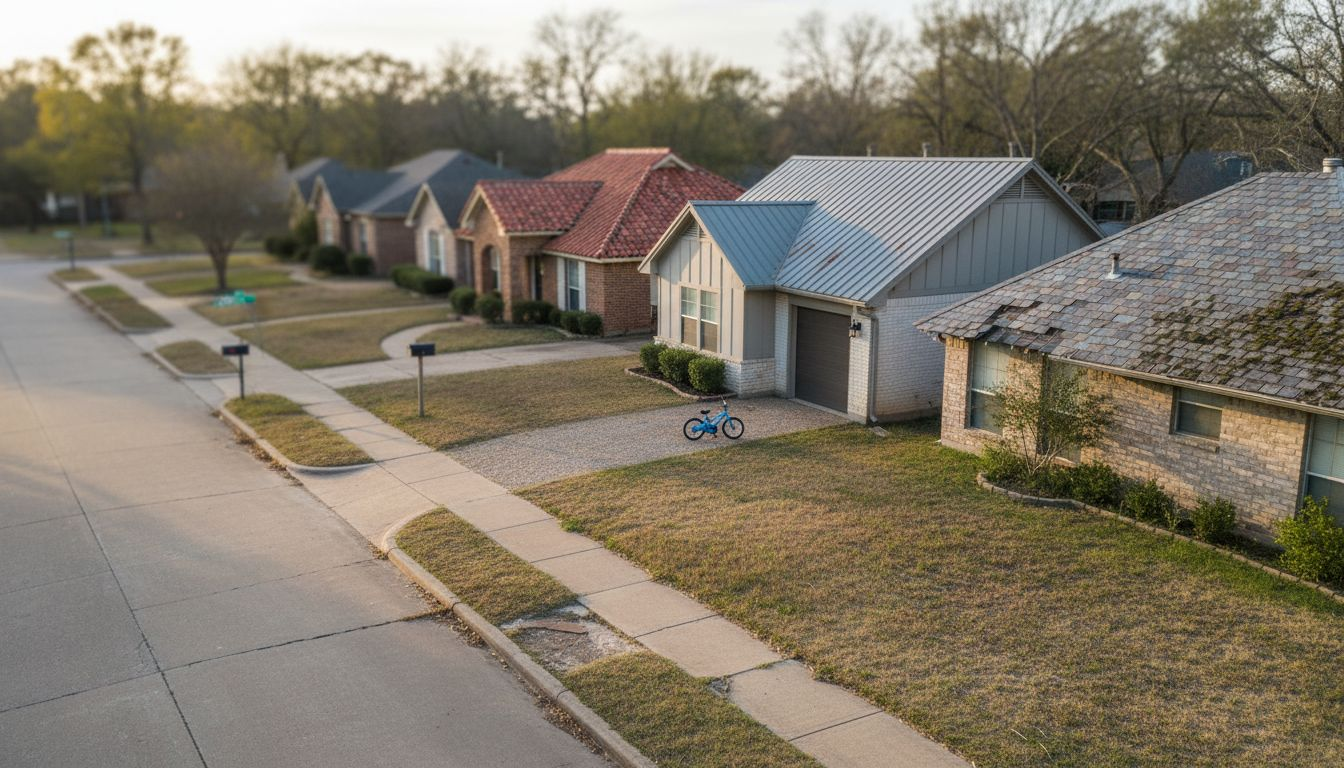
Over 75% of American homeowners choose asphalt shingle roofs for their perfect mix of affordability and reliability. In a city like Houston where wild weather is the norm, picking the right roof means balancing cost, durability, and appearance. This guide highlights roofing options that stand up to the climate, help you save on energy, and fit every style, making it easier to find the best match for your American home.
Table of Contents
- Asphalt Shingle Roofs: Affordable and Versatile Choice
- Metal Roofs: Superior Durability for Houston Weather
- Clay and Concrete Tile Roofs: Elegant and Storm-Resistant
- Slate Roofs: Classic Appearance and Long Lifespan
- Wood Shake Roofs: Natural Look with Good Insulation
- Flat Roofs: Modern Solution for Low-Slope Homes
- TPO Roofs: Energy-Efficient Flat Roofing Option
Quick Summary
| Key Message | Explanation |
|---|---|
| 1. Asphalt shingles are budget-friendly | These roofs cost between $5,000 and $12,000, making them ideal for cost-conscious homeowners. |
| 2. Metal roofs last much longer | With a lifespan of 40 to 70 years, metal roofs offer superior durability against harsh weather. |
| 3. Clay and concrete tiles resist storms | These roofs withstand wind speeds up to 150 mph, providing excellent protection in hurricane-prone areas. |
| 4. Slate roofs are a long-term investment | Slate roofs can last 75 to 200 years, making them a valuable option for enduring architectural appeal. |
| 5. TPO roofs are energy-efficient | TPO roofs reflect up to 80% of solar radiation, significantly reducing cooling costs in hot climates. |
1. Asphalt Shingle Roofs: Affordable and Versatile Choice
Asphalt shingle roofs represent the most popular residential roofing solution in the United States, offering homeowners an exceptional blend of affordability and performance. These roofing systems have become a go-to choice for Houston homeowners seeking a reliable and cost-effective protection for their homes.
The popularity of asphalt shingles stems from their remarkable versatility. Manufactured with a fiberglass base covered in mineral granules and asphalt, these roofing materials can withstand Houston’s challenging weather conditions, including intense sunlight, sudden thunderstorms, and occasional hail. Comprehensive roofing guidelines from the National Park Service highlight the durability and adaptability of these roofing systems.
Homeowners appreciate asphalt shingles for their wide range of styles and colors. Whether your home features a traditional ranch design or a modern architectural style, you can find shingles that complement your property’s aesthetic. Manufacturers offer options ranging from basic three-tab shingles to high-end architectural varieties that mimic the look of more expensive materials like slate or wood.
In terms of cost effectiveness, asphalt shingles are significantly more affordable compared to metal, tile, or wood shake roofing. The average installation typically ranges between $5,000 and $12,000 for a standard Houston home, making them an attractive option for budget conscious homeowners. Additionally, their relatively simple installation process means lower labor costs and faster project completion times.
Maintenance for asphalt shingle roofs is straightforward. Regular inspections every two to three years and prompt replacement of damaged shingles can extend a roof’s lifespan to 20 to 30 years. This longevity, combined with their low upfront costs, makes asphalt shingles an intelligent investment for Houston residential properties.
Pro Tip: When selecting asphalt shingles, choose products rated for high wind resistance and algae protection, which are particularly important in Houston’s humid subtropical climate.
2. Metal Roofs: Superior Durability for Houston Weather
Metal roofs have emerged as a powerhouse solution for Houston homeowners seeking unparalleled protection against the region’s unpredictable and harsh weather conditions. These roofing systems offer an extraordinary combination of longevity, resilience, and energy efficiency that sets them apart from traditional roofing materials.
Houston’s climate presents unique challenges for residential roofing, with intense sunlight, frequent thunderstorms, and potential hurricane threats. Metal roofs are engineered to withstand these extreme conditions, providing superior resistance to wind, rain, and temperature fluctuations. Metal roof replacement in Houston has become increasingly popular due to these remarkable protective qualities.
One of the most significant advantages of metal roofing is its exceptional durability. Unlike asphalt shingles that typically last 15 to 20 years, metal roofs can protect your home for 40 to 70 years with proper maintenance. They resist cracking, shrinking, and erosion, making them an ideal choice for Houston’s dynamic weather patterns. The reflective properties of metal roofing also contribute to improved energy efficiency, helping homeowners reduce cooling costs during the region’s scorching summer months.
Homeowners can choose from various metal roofing materials, including aluminum, steel, copper, and zinc, each offering unique benefits. Standing seam metal roofs provide a sleek, modern appearance, while metal tiles can mimic the look of traditional roofing materials. The versatility extends beyond aesthetics, with options designed to complement different architectural styles and personal preferences.
Initial installation costs for metal roofs are higher compared to traditional roofing materials, but the long-term benefits significantly outweigh the upfront investment. Reduced maintenance requirements, energy savings, and potential insurance discounts make metal roofing an economically smart choice for Houston residents.
Pro Tip: When selecting a metal roof, prioritize professional installation by experienced contractors who understand Houston’s specific climate challenges and can ensure proper sealing and wind resistance.
3. Clay and Concrete Tile Roofs: Elegant and Storm-Resistant
Clay and concrete tile roofs represent the pinnacle of architectural beauty and robust protection for Houston homeowners seeking a distinctive and resilient roofing solution. These timeless roofing materials combine Old World charm with modern engineering to create a stunning defense against the city’s challenging weather conditions.
Historic preservation guidelines from the National Park Service highlight the exceptional durability and aesthetic significance of clay tile roofing, a testament to their enduring quality. In Houston, where architectural diversity meets extreme weather challenges, clay and concrete tiles offer homeowners a sophisticated roofing option that stands up to intense sunlight, heavy rainfall, and potential hurricane conditions.
The primary appeal of clay and concrete tiles lies in their remarkable structural integrity. These roofing materials can withstand wind speeds up to 150 miles per hour, making them an ideal choice for Houston’s hurricane-prone region. Their dense composition provides superior insulation, helping homeowners reduce energy costs by maintaining more consistent indoor temperatures during scorching summer months and mild winter periods.
Aesthetic versatility is another significant advantage of clay and concrete tiles. Available in a wide range of colors, textures, and styles, these roofing materials can complement virtually any architectural design from Mediterranean and Spanish colonial to modern minimalist homes. Homeowners can select from traditional terracotta tones, cool earth colors, and even tiles that mimic the appearance of slate or wood shakes.
While the initial installation cost for clay and concrete tile roofs is higher than traditional asphalt shingles, the long-term benefits are substantial. These roofing systems can last 50 to 100 years with proper maintenance, significantly outlasting most other roofing materials. Their resistance to rot, insect damage, and fire provides additional peace of mind for Houston homeowners.
Pro Tip: When considering clay or concrete tile roofing, ensure your home’s structural framework can support the additional weight, as these materials are significantly heavier than standard asphalt shingles.
4. Slate Roofs: Classic Appearance and Long Lifespan
Slate roofs represent the aristocracy of residential roofing solutions, offering Houston homeowners an unparalleled combination of timeless elegance and extraordinary durability. These natural stone roofing systems transform homes into architectural masterpieces while providing exceptional protection against the region’s unpredictable weather conditions.
Historic preservation guidelines from the National Park Service emphasize the remarkable longevity and aesthetic significance of slate roofing, a material that has adorned prestigious buildings for centuries. In Houston, where architectural diversity meets demanding environmental challenges, slate roofs stand as a premium roofing option for discerning homeowners.
The most compelling attribute of slate roofing is its extraordinary lifespan. While most roofing materials require replacement every 20 to 30 years, high-quality slate roofs can protect a home for 75 to 200 years. This remarkable durability means that a slate roof installed today could potentially serve multiple generations of homeowners, making it a genuine long-term investment in property protection.
Slate tiles are composed of natural metamorphic rock, typically quarried from regions like Vermont and Pennsylvania. Their dense, nonporous composition makes them highly resistant to water absorption, preventing issues like mold, rot, and structural damage. For Houston homeowners, this means superior protection against frequent thunderstorms, humidity, and potential hurricane conditions.
Aesthetic versatility is another significant advantage of slate roofing. Available in a stunning array of colors including gray, black, green, purple, and red, these tiles can complement virtually any architectural style. From historic Victorian homes to contemporary minimalist designs, slate roofs add a touch of sophisticated elegance that immediately elevates a property’s visual appeal and market value.
Pro Tip: Due to their substantial weight, ensure your home’s structural framework can support slate roofing by consulting a professional structural engineer before installation.
5. Wood Shake Roofs: Natural Look with Good Insulation
Wood shake roofs offer Houston homeowners a rustic, natural aesthetic that seamlessly blends architectural charm with remarkable thermal performance. These unique roofing systems transform residential exteriors into warm, inviting spaces while providing exceptional insulation and environmental character.
Historic preservation documentation from the National Park Service highlights the distinctive qualities of wood shake roofing, emphasizing its traditional craftsmanship and natural properties. In Houston, where energy efficiency and aesthetic appeal are paramount, wood shake roofs represent a compelling option for homeowners seeking something beyond conventional roofing materials.
Traditionally crafted from cedar, redwood, or pine, wood shakes are hand-split wooden tiles that create a textured, dimensional appearance unlike uniform manufactured roofing materials. Their natural layering creates air pockets that provide superior insulation, helping homeowners reduce energy costs by maintaining more consistent indoor temperatures during Houston’s intense summer heat and occasional cold fronts.
Wood shake roofs offer remarkable thermal regulation, with natural wood providing approximately twice the insulation value of asphalt shingles. The inherent properties of wood create a breathable roofing surface that helps regulate indoor climate, potentially reducing air conditioning expenses by up to 20% during peak summer months. This energy efficiency makes wood shakes an environmentally conscious roofing choice for eco-aware Houston residents.
While wood shake roofs require more maintenance compared to metal or asphalt options, their unique aesthetic and performance characteristics make them an attractive choice for homeowners willing to invest in regular upkeep. Proper treatment and periodic maintenance can extend the lifespan of a wood shake roof to 30 to 40 years, providing a balance between natural beauty and functional durability.
Pro Tip: Apply fire retardant and moisture resistant treatments to your wood shake roof to enhance longevity and improve its resistance to Houston’s humid subtropical climate.
6. Flat Roofs: Modern Solution for Low-Slope Homes
Flat roofs have emerged as a contemporary roofing solution perfectly suited for Houston’s modern architectural landscape, offering homeowners a sleek, functional alternative to traditional pitched roofing systems. These innovative roof designs provide a minimalist aesthetic while delivering practical benefits for residential and commercial properties.
Historic roofing documentation from the National Park Service highlights the evolving role of flat roofing in architectural design, showcasing their versatility and functional advantages. In Houston, where architectural innovation meets practical environmental considerations, flat roofs have become increasingly popular among homeowners seeking modern design solutions.
Modern flat roofs are engineered with advanced materials like ethylene propylene diene monomer (EPDM) rubber, thermoplastic polyolefin (TPO), and modified bitumen, providing exceptional waterproofing and durability. These materials are specifically designed to withstand Houston’s challenging weather conditions, including intense sunlight, heavy rainfall, and potential hurricane winds.
One significant advantage of flat roofs is their potential for additional functional space. Homeowners can transform these surfaces into rooftop gardens, solar panel installations, or outdoor entertainment areas, maximizing property utility in ways traditional pitched roofs cannot. The potential for creating green spaces or installing solar technology makes flat roofs an attractive option for environmentally conscious Houston residents.
Flat roofs also offer superior energy efficiency compared to traditional pitched roofing. Their reflective surfaces can significantly reduce heat absorption, helping to lower indoor temperatures and decrease air conditioning costs during Houston’s scorching summer months. Advanced coating technologies can further enhance this thermal performance, potentially reducing cooling expenses by up to 30%.
Pro Tip: Invest in professional drainage solutions for your flat roof to prevent water pooling and potential structural damage, as proper water management is crucial in Houston’s high precipitation environment.
7. TPO Roofs: Energy-Efficient Flat Roofing Option
Thermoplastic polyolefin (TPO) roofing represents the cutting edge of energy efficient roofing technology for Houston homeowners seeking smart, sustainable solutions. These innovative roofing systems combine exceptional thermal performance with remarkable durability, making them an increasingly popular choice for modern residential structures.
Environmental guidelines from the EPA highlight the significant role of reflective roofing materials in mitigating urban heat island effects. TPO roofs excel in this regard, featuring a bright white surface that reflects up to 80% of solar radiation, dramatically reducing heat absorption and indoor temperature fluctuations.
The core advantage of TPO roofing lies in its advanced material composition. Manufactured from a blend of polypropylene and ethylene propylene rubber, these roofing membranes offer superior resistance to ultraviolet radiation, chemical exposure, and mechanical stress. In Houston’s challenging climate, characterized by intense sunlight and occasional severe weather, TPO roofs provide a robust protective barrier for residential structures.
Energy efficiency stands as the most compelling benefit of TPO roofing. By reflecting solar radiation, these roofs can lower indoor temperatures by up to 30%, potentially reducing air conditioning costs during Houston’s scorching summer months. Homeowners can expect significant energy savings, with some studies indicating a 15% to 25% reduction in cooling expenses compared to traditional dark roofing materials.
TPO roofing systems are also remarkably low maintenance, requiring minimal upkeep beyond periodic professional inspections. Their seamless installation and heat welded seams create a watertight barrier that resists leaks, punctures, and environmental degradation. This durability translates to a potential lifespan of 20 to 30 years, offering long term value for homeowners willing to invest in advanced roofing technology.
Pro Tip: Select TPO roofing with a minimum solar reflectance index of 78 to maximize energy efficiency and comply with green building standards in Houston.
Below is a comprehensive table summarizing the key features, benefits, and considerations of different roofing options in Houston as discussed in the article.
| Roofing Type | Features | Benefits | Considerations |
|---|---|---|---|
| Asphalt Shingle | Versatile, fiberglass base with mineral granules; available in various styles and colors | Affordable; withstands Houston’s weather; lifespan of 20-30 years | Regular inspections and shingle replacement needed |
| Metal | Includes materials like aluminum and steel; reflective properties | Longevity of 40-70 years; energy-efficient; superior durability | Higher initial cost; professional installation recommended |
| Clay and Concrete Tile | High wind resistance; available in diverse styles | Lifespan of 50-100 years; good insulation; aesthetic versatility | Requires strong structural support |
| Slate | Natural stone composition; nonporous | Extremely long lifespan of 75-200 years; adds property value | Heavy; costly installation |
| Wood Shake | Made from cedar or redwood; natural, rustic appearance | Excellent insulation; reduces cooling costs | Requires fire retardant treatments and maintenance |
| Flat | Uses materials like EPDM and TPO; functional space on top | Potential for rooftop gardens and solar panels; energy efficiency | Professional drainage solutions needed to prevent water pooling |
| TPO | Advanced material with reflective surface | Energy savings; reduces cooling expenses by 15-25% | Select TPO with proper solar reflectance index |
Find the Perfect Roof Solution Tailored for Houston Homes
Choosing the right roof that addresses Houston’s unique weather challenges and enhances your home’s style and durability can feel overwhelming. This article highlights the key roofing materials like asphalt shingles, metal, TPO, and clay tiles, each offering unique benefits such as storm resistance, energy efficiency, and long lifespan. If you want to protect your investment with expert installation and quality materials built specifically for Houston’s climate, you need a trusted local roofing contractor.
At Mister ReRoof, we specialize in durable residential roofing solutions including metal, shingle, and flat roofing systems designed to withstand Houston’s intense sun, heavy rains, and hurricanes. Our experienced team understands the specific requirements for roofs like TPO and metal, ensuring you get a roof that not only looks great but also performs flawlessly for decades.
Are you ready to upgrade to a long-lasting, storm-resistant roof that fits your budget and style?
Protect your home with confidence by contacting Mister ReRoof today for a free consultation. Discover how our professional roofing replacement services can turn one of your home’s largest investments into your strongest defense against Houston’s weather. Visit our website now to get started on creating the perfect roof solution tailored for your Houston property.
Frequently Asked Questions
What are the benefits of asphalt shingle roofs for Houston homes?
Asphalt shingle roofs are affordable and versatile, making them a popular choice for homeowners. They can withstand Houston’s weather variations and typically last 20 to 30 years with proper maintenance, so consider getting regular inspections every two to three years to maximize their lifespan.
How long can I expect a metal roof to last in Houston?
Metal roofs can last between 40 to 70 years, significantly outlasting traditional options like asphalt shingles. To ensure your metal roof maintains its longevity, schedule regular maintenance checks and look for any signs of damage after severe weather events.
What makes clay and concrete tile roofs suitable for storm resistance in Houston?
Clay and concrete tile roofs can withstand wind speeds of up to 150 miles per hour, making them highly storm-resistant. If considering these materials, verify that your home’s structure can accommodate their weight, as they are heavier than standard roofing options.
What are the energy efficiency advantages of TPO roofing?
TPO roofing reflects up to 80% of solar radiation, which can help reduce indoor temperatures significantly. To maximize energy savings, install TPO roofing with a solar reflectance index of at least 78 to lower your air conditioning costs by up to 30%.
How do wood shake roofs compare to other roofing materials in terms of insulation?
Wood shake roofs provide superior thermal regulation, often offering about twice the insulation value of asphalt shingles. To maintain this insulation effectiveness, apply fire retardant and moisture-resistant treatments during regular maintenance.
Are flat roofs a good choice for Houston homes?
Flat roofs are becoming increasingly popular due to their sleek design and potential for additional usable space, such as rooftop gardens. To ensure proper drainage and avoid issues like water pooling, invest in professional drainage solutions during installation.
