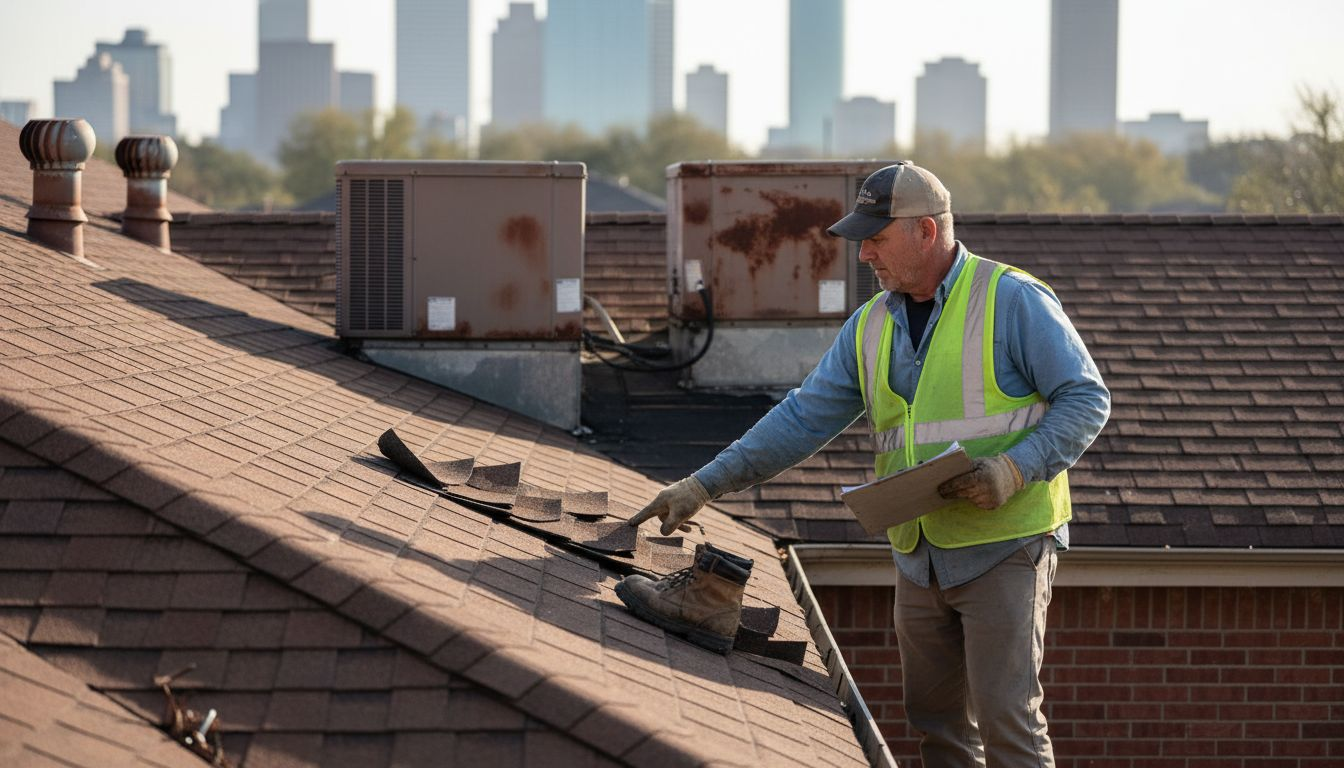
Most American property owners are surprised to learn that a neglected roof is among the leading reasons for costly home repairs each year. A failing roof often causes water intrusion, structural issues, and spikes in energy bills, turning a minor concern into an expensive emergency. When you understand what roof replacement truly means, you gain insight into protecting your property investment, maintaining safety, and even improving overall building value.
Table of Contents
- What Roof Replacement Means for Property Owners
- Roof Types Commonly Replaced in Houston
- Warning Signs Your Roof Needs Replacement
- Impact of Houston Weather on Roofing Lifespan
- Financial, Safety, and Insurance Considerations
Key Takeaways
| Point | Details |
|---|---|
| Importance of Roof Replacement | Roof replacement is essential for maintaining structural integrity and protecting against water damage and energy inefficiency. |
| Choosing the Right Materials | Select roofing materials suitable for Houston’s climate to enhance durability and energy efficiency. |
| Monitoring Roof Condition | Regular inspections can help detect issues early and prevent costly repairs. |
| Financial Considerations | Understanding insurance coverage and potential tax benefits is crucial for budgeting roof replacement effectively. |
What Roof Replacement Means for Property Owners
Roof replacement represents a critical investment for homeowners and business owners in protecting their most valuable asset. Far more than a simple cosmetic upgrade, a comprehensive roof replacement ensures structural integrity and long-term property protection. When property owners undertake a roof replacement, they are essentially safeguarding their entire building against potential water damage, structural deterioration, and energy inefficiency.
For Houston property owners, roof replacement involves strategic considerations beyond basic maintenance. Water intrusion can cause extensive damage to interior structures, leading to expensive repairs if not addressed promptly. Comprehensive roof inspections help detect potential issues before they escalate into major structural problems, allowing property owners to make proactive decisions about their roofing system. The right replacement can dramatically improve a building’s energy efficiency, reducing cooling costs in Houston’s notoriously hot climate and potentially increasing overall property value.
Navigating a roof replacement requires understanding several key factors. Property owners should consider roofing materials suited to Houston’s unique weather conditions, including intense sunlight, high humidity, and potential hurricane-force winds. These factors make selecting durable roofing solutions critical. Different roofing types – from traditional asphalt shingles to metal and flat roofing systems – offer varying levels of protection, longevity, and aesthetic appeal. Professional assessment becomes crucial in determining the most appropriate roofing solution for each specific property.
Pro Roof Investment Tip: Schedule a professional roof inspection before major weather seasons to identify potential vulnerabilities and prevent costly emergency repairs. Early detection can save thousands in potential structural damage and extend your roof’s overall lifespan.
Roof Types Commonly Replaced in Houston
Houston’s diverse architectural landscape demands a nuanced approach to roof replacement, with several distinct roof types prevalent across residential and commercial properties. Historic districts showcase a remarkable variety of roofing styles, ranging from traditional gable and hipped configurations to more specialized architectural designs. Understanding these roof types is crucial for property owners seeking appropriate replacement strategies tailored to their specific architectural context.
Residential Roof Types require careful consideration in Houston’s unique climate. Common roof styles include gable roofs with their classic triangular shape, hipped roofs featuring slopes on all four sides, and pyramidal roofs with a square base and triangular sides. These designs typically utilize composition shingles, metal roofing, or specialized materials like slate and clay tiles. Maintaining the historical character of structures involves selecting replacement materials that match the original roof’s size, shape, texture, and color. The shingle roof replacement remains particularly popular due to its cost-effectiveness and adaptability to Houston’s weather conditions.
Commercial and industrial properties often require different roofing approaches, with flat and low-slope roofs being predominant. Metal roofing systems, especially for warehouses and commercial buildings, offer durability and long-term protection against Houston’s intense heat and occasional severe weather. These roofing types – including metal roof systems and flat roof configurations – are engineered to withstand extreme temperatures and provide superior water resistance.
Here’s a quick comparison of common roof types used in Houston:
| Roof Type | Typical Lifespan | Best Suited For | Notable Advantages |
|---|---|---|---|
| Asphalt Shingles | 20-25 years | Residential homes | Affordable, widely used |
| Metal Roofing | 40-60 years | Commercial & industrial | High durability, energy efficient |
| Flat Roofing (TPO/EPDM) | 15-30 years | Warehouses, commercial | Water resistant, easy maintenance |
| Clay or Slate Tiles | 50+ years | Historic or upscale homes | Long-lasting, aesthetic appeal |
Pro Material Selection Tip: Always consult a local roofing professional who understands Houston’s specific architectural and climatic requirements before selecting a roof replacement. Professional assessment can help you choose materials that balance aesthetic appeal, historical authenticity, and long-term structural protection.
Warning Signs Your Roof Needs Replacement
Identifying when your roof requires replacement is crucial for preventing extensive property damage and costly repairs. The National Roof Certification and Inspection Association recommends carefully monitoring specific warning signs that indicate potential roof failure. Houston homeowners and business owners must remain vigilant about their roofing system’s condition, as the region’s extreme weather can accelerate roof deterioration.
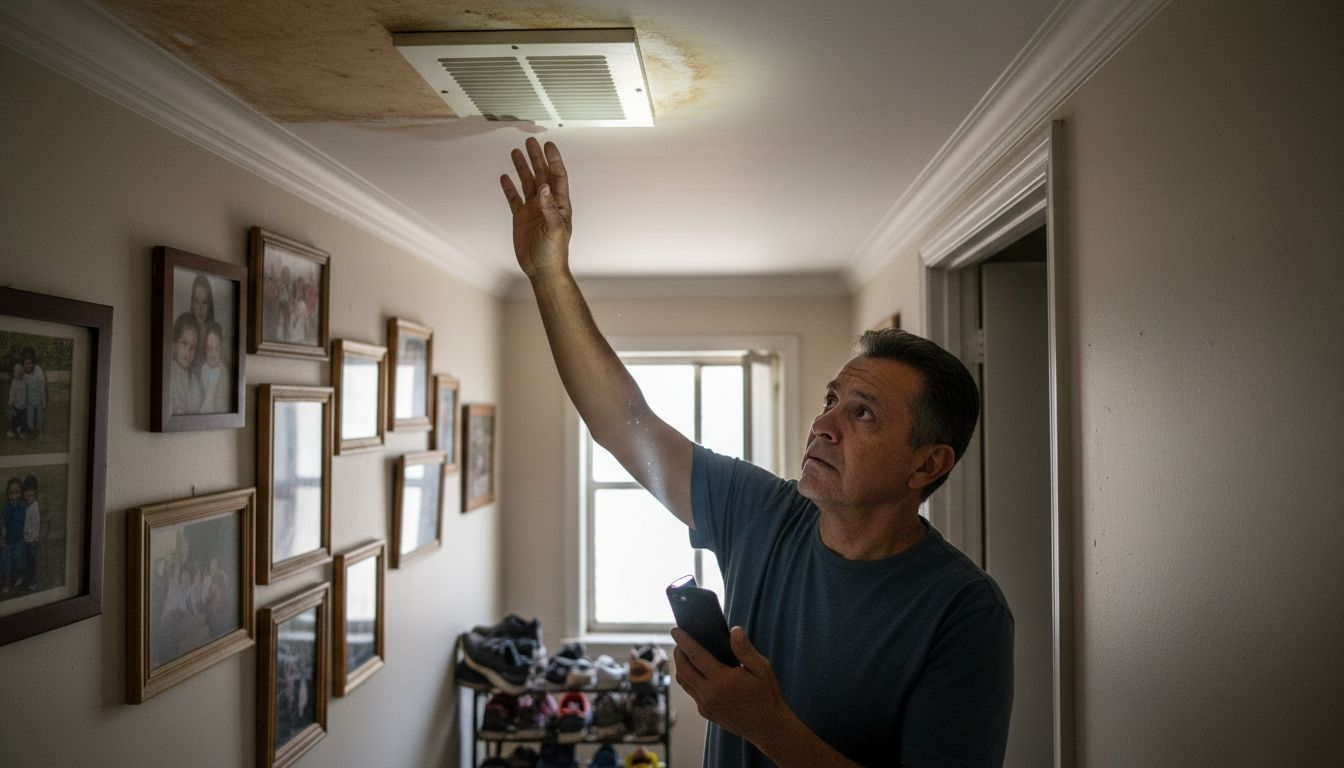
Visible Damage Indicators are the most immediate signs of roof problems. These include missing or damaged shingles, significant granule loss, curling or buckling shingle edges, and visible sagging in the roofline. Water stains on interior ceilings or walls suggest potential leaks that could indicate serious underlying structural issues. Metal flashing that appears damaged or separated from chimneys and ventilation points can also signal the need for comprehensive roof replacement. Annual roof inspections provide an essential method for detecting these potential problems before they escalate into major structural concerns.
Environmental factors specific to Houston dramatically impact roof longevity. Intense sunlight, frequent thunderstorms, and occasional hurricane-force winds can cause rapid deterioration of roofing materials. Age is another critical factor – most residential roofing systems have a typical lifespan of 20-25 years, depending on material quality and maintenance. For commercial properties like top roofing contractors recommend, the evaluation process becomes even more nuanced, considering the specific demands of industrial and commercial roofing systems.
Pro Inspection Tip: Create a seasonal roof maintenance calendar that includes quarterly visual inspections and an annual professional assessment. Take photographs during each inspection to track changes and document potential issues for insurance and repair purposes.
Impact of Houston Weather on Roofing Lifespan
Houston’s unique climate presents extraordinary challenges for residential and commercial roofing systems, creating an environment that rapidly accelerates material degradation. Extreme temperature fluctuations, intense solar radiation, high humidity, and frequent severe weather events combine to create a perfect storm of potential roof damage. Changing weather patterns have made regular roof maintenance more critical than ever, with increased heavy downpours and stronger winds posing significant risks to structural integrity.
Temperature Extremes play a pivotal role in roof deterioration. Houston experiences scorching summer temperatures that can reach up to 100 degrees Fahrenheit, causing roofing materials to expand and contract repeatedly. This thermal cycling creates microscopic cracks and weakens protective layers, making roofs more susceptible to water intrusion and structural compromise. During winter, sudden temperature drops can create additional stress, further accelerating material breakdown. [Specialized roofing solutions like TPO roof replacement offer enhanced durability against these challenging environmental conditions.
Hurricane and storm seasons introduce another layer of roofing vulnerability. Wind speeds during tropical storms and hurricanes can exceed 74 miles per hour, generating immense pressure that can lift, tear, or completely remove roofing materials. High humidity levels compound these challenges by promoting mold growth, wood rot, and accelerated material degradation. Ultraviolet radiation from intense sunlight breaks down protective coatings, causing materials to become brittle and lose their protective capabilities more rapidly than in more temperate climates.
Pro Weather Protection Tip: Develop a proactive maintenance strategy that includes biannual professional inspections, focusing on post-storm assessments and preventative repairs. Document each inspection with detailed photographs and maintain a comprehensive maintenance log to track your roof’s condition over time.
Financial, Safety, and Insurance Considerations
Roof replacement represents a significant financial decision that extends far beyond simple home maintenance. The Texas Department of Insurance recommends homeowners carefully evaluate their insurance policies to understand coverage specifics for roof replacement, which can dramatically impact overall project costs and potential future claims. Understanding the intricate relationship between roofing decisions, insurance coverage, and property value becomes crucial for Houston property owners.
Insurance Coverage Dynamics play a critical role in roof replacement strategies. Most homeowners insurance policies differentiate between replacement cost and actual cash value, which can significantly affect out-of-pocket expenses. Choosing impact-resistant roofing materials can potentially qualify property owners for insurance discounts, providing both enhanced protection and financial benefits. Roof replacement can be considered a substantial capital improvement that increases property value, making it a strategic long-term investment beyond immediate structural needs.
This table summarizes key financial and insurance factors in roof replacement:
| Financial Factor | Description | Importance for Owners |
|---|---|---|
| Replacement Cost Coverage | Pays full cost to replace roof | Reduces out-of-pocket expense |
| Actual Cash Value Coverage | Depreciates value due to age/wear | May increase owner’s cost |
| Insurance Discounts | Offered for impact-resistant materials | Lowers premiums |
| Capital Improvement Benefit | Can increase property value and tax basis | Boosts long-term investment |
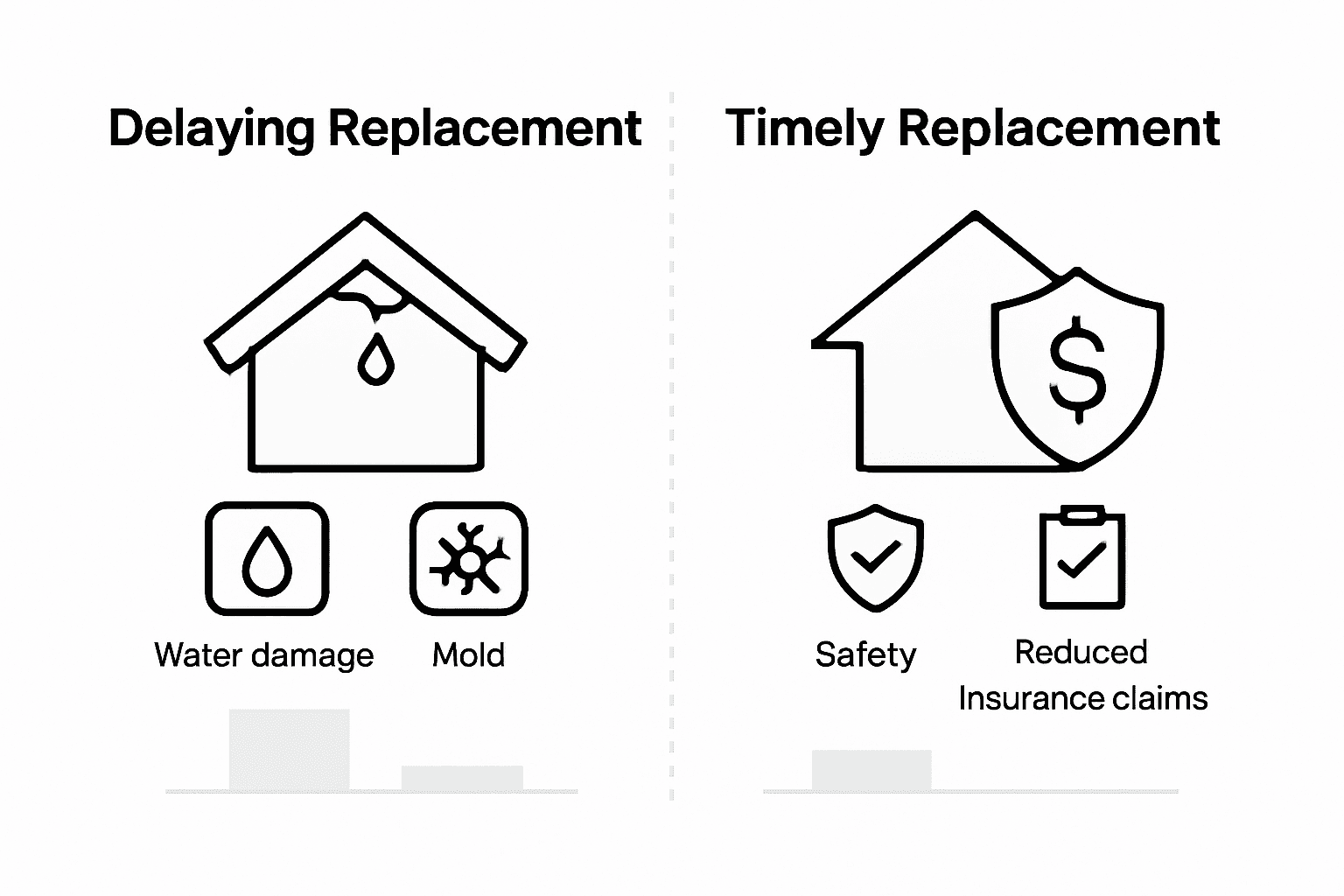
Safety considerations extend well beyond immediate structural integrity. A compromised roof can lead to extensive interior damage, potential health risks from mold and water intrusion, and decreased energy efficiency. Professional roof replacement not only mitigates these risks but can also improve overall building performance. Commercial properties face additional complexities, with potential liability issues arising from neglected roofing systems. Selecting high-quality materials and professional installation becomes critical in protecting both physical assets and potential legal vulnerabilities.
Pro Financial Planning Tip: Consult with both your insurance provider and a tax professional before roof replacement to maximize potential tax benefits and insurance discounts. Document all expenses and improvements meticulously, as these records can be valuable for future insurance claims and potential tax deductions.
Protect Your Houston Property with Expert Roof Replacement Solutions
The article highlights the critical challenge Houston homeowners and business owners face in maintaining durable roofs that withstand extreme weather and aging. Key pain points include identifying warning signs of roof damage, choosing the right materials for Houston’s climate, and navigating the financial and safety implications of timely roof replacement. Concepts such as storm-resistant roofing, professional inspections, and impact-resistant materials are crucial to protecting your investment from costly water intrusion, structural damage, and energy inefficiency.
At Mister ReRoof, we specialize in providing tailored roofing solutions designed specifically for Houston’s unique weather conditions. Whether you need shingle roof replacement, metal roof installation, or durable flat and TPO roofing systems, our expert team delivers high-quality craftsmanship that boosts your property’s safety and value. We understand the importance of proactive maintenance and thorough inspections to prevent emergency repairs and extend your roof’s lifespan.
Act now to safeguard your home or business with a trusted local expert who knows Houston roofs inside and out.
Explore how our shingle roof replacement in Houston and metal roof replacement services can enhance your property’s protection against storms and temperature extremes.
Take the first step to long-term peace of mind. Get a free estimate or schedule a professional roof inspection today at Mister ReRoof.
What are you waiting for Join the many Houston property owners who trust us with their roof protection.
Frequently Asked Questions
What are the main reasons for replacing a roof?
Replacing a roof protects your property from water damage, improves energy efficiency, and enhances overall structural integrity. It’s a vital investment for ensuring the longevity of your home or business.
How do I know if my roof needs replacement?
Signs of a roof needing replacement include visible damage such as missing or curled shingles, sagging rooflines, and water stains on ceilings or walls. Regular inspections can help identify these issues before they escalate.
What types of roofing materials are best suited for Houston’s climate?
Durable roofing materials, such as metal roofing, asphalt shingles, and TPO for flat roofs, are ideal for Houston’s climate, which experiences intense sunlight, high humidity, and potential hurricane-force winds.
How can I prolong the lifespan of my roof?
Regular maintenance, including annual inspections, prompt repairs of any damage, and cleaning gutters, can significantly prolong your roof’s lifespan and help you avoid costly replacements.
