
Roof trouble is an all-too-common reality for many American homeowners in Houston, where more than 60 percent of Harris County residents report facing major structural issues tied directly to roof deterioration. With Houston’s unpredictable weather and intense humidity, even the strongest roofs face a serious test year after year. This guide offers clear insights into recognizing early signs of roof failure, understanding why problems develop, and exploring smart choices for repairs or upgrades that help protect your home’s most critical shield.
Table of Contents
- Defining Roof Failure In Houston Homes
- Major Houston Weather Threats To Roofs
- Impact Of Roof Materials And Design Choices
- Common Installation Mistakes By Roofers
- Maintenance, Aging, And Homeowner Oversights
Key Takeaways
| Point | Details |
|---|---|
| Understanding Roof Failure | Roof failure involves multiple indicators beyond visible damage, necessitating professional assessments to evaluate structural integrity. Annual inspections are crucial to catch early signs of deterioration. |
| Impact of Weather on Roofs | Severe weather events like extreme winds and hail pose significant risks to roofing systems. Homeowners should conduct inspections after such events to identify hidden damage. |
| Material Selection is Key | Choosing appropriate roofing materials is vital for performance against Houston’s climate challenges, emphasizing the importance of professional consultation for homeowners. |
| Maintenance is Essential | Regular maintenance and inspections can prevent minor issues from escalating into major repairs, making proactive care critical for long-term roof integrity. |
Defining Roof Failure in Houston Homes
Roof failure in Houston homes represents a complex and potentially devastating structural problem that goes far beyond simple leaks or minor damage. Housing repair surveys reveal that over 60% of Harris County residents experience significant structural issues, with roof deterioration being a primary concern.
At its core, roof failure encompasses multiple critical indicators beyond visible damage. Structural compromise can manifest through several key signs: sagging roof sections, water intrusion, compromised trusses, and deteriorating roofing materials. Professional assessments typically categorize roof failures into progressive stages, ranging from minor wear to complete structural instability. These stages depend on factors unique to Houston’s challenging environmental conditions, including extreme heat, intense humidity, and severe storm patterns.
The University of Texas research underscores that roofs serve as the primary defense mechanism for residential structures. Roof structural resilience depends on maintaining robust connections between trusses and supporting framework, which can deteriorate rapidly under Houston’s unpredictable weather systems. Homeowners should recognize that roof failure is not just about visible damage, but represents a holistic assessment of the entire roofing system’s integrity.
Pro Tip – Roof Health Insight: Schedule professional roof inspections annually, focusing on identifying early warning signs of structural compromise before minor issues transform into expensive, extensive repairs.
Major Houston Weather Threats to Roofs
Houston’s complex weather patterns pose significant challenges to residential roofing systems, creating multiple potential points of structural vulnerability. Severe weather events, including thunderstorms with extreme wind conditions, can occur year-round and dramatically impact roof integrity, making proactive maintenance critical for homeowners.
Extreme Wind Events represent one of the most destructive weather threats to Houston roofs. The 2024 derecho demonstrated the catastrophic potential of high-velocity winds, with gusts reaching up to 100 mph that can instantly tear roofing materials and compromise structural connections. These wind events can cause immediate damage or create cumulative stress that weakens roof systems over time, leading to potential long-term structural failures.
Houston’s weather threats extend beyond wind, encompassing a range of environmental challenges. Hailstorms can puncture roofing materials, creating microscopic vulnerabilities that eventually lead to water intrusion. Intense summer heat causes thermal expansion and contraction, which gradually degrades roofing components. Flash flooding and prolonged moisture exposure accelerate material deterioration, creating hidden damage that may not be immediately visible to homeowners.
Pro Tip – Weather Resilience Strategy: Conduct comprehensive roof inspections immediately following severe weather events, focusing on identifying subtle damage that could compromise your roof’s long-term structural integrity.
Impact of Roof Materials and Design Choices
Roof Materials play a critical role in determining the longevity and performance of Houston residential structures. Structural resilience depends heavily on carefully selecting materials that can withstand the region’s extreme environmental challenges, including intense heat, powerful winds, and frequent moisture exposure.
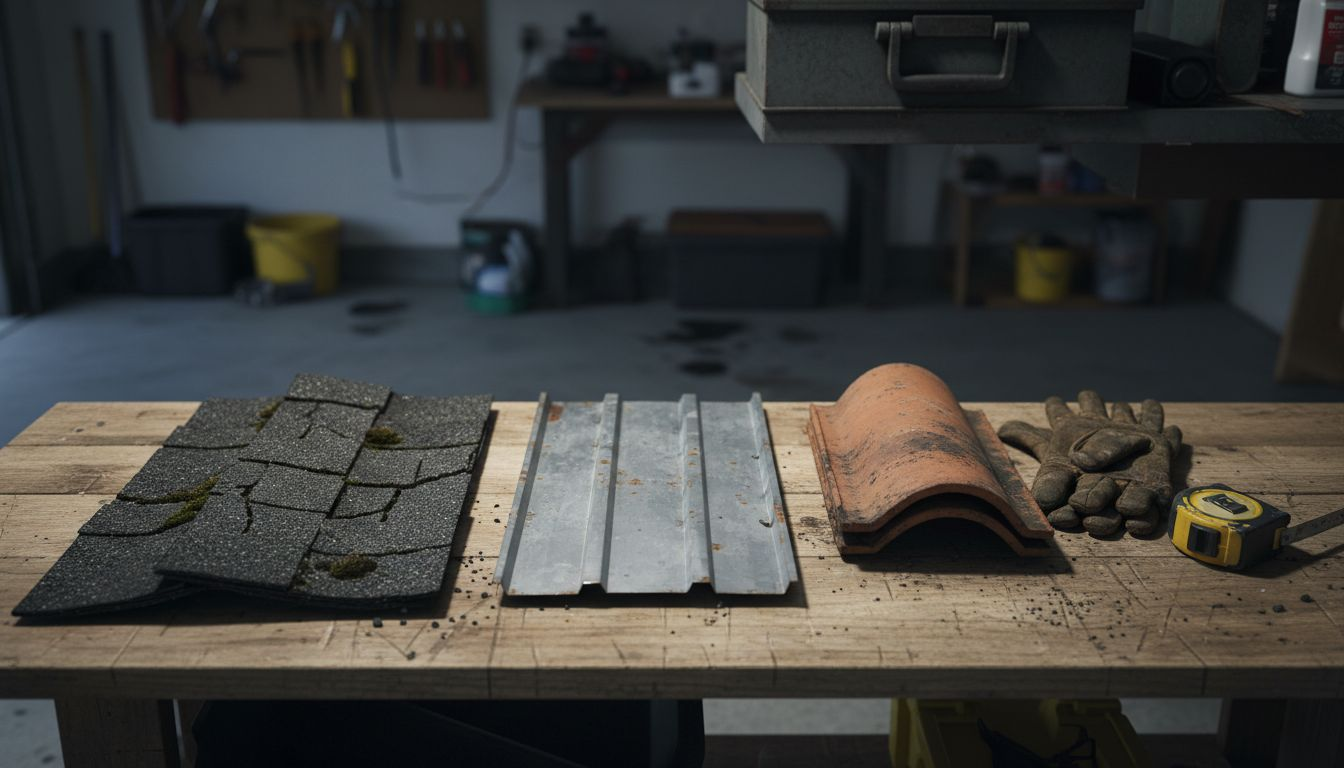
Traditional roofing materials like asphalt shingles, metal roofing, and clay tiles each offer unique advantages and limitations in Houston’s demanding climate. Some materials provide better heat reflection, while others demonstrate superior wind resistance. Interestingly, research suggests that natural cooling strategies, such as strategic tree placement, might complement or even outperform traditional reflective roofing technologies, indicating that comprehensive environmental design extends beyond simple material selection.
The architectural design of a roof significantly impacts its ability to withstand Houston’s unpredictable weather patterns. Factors like pitch, number of slopes, and structural connections determine how effectively a roof can disperse wind loads, channel water runoff, and resist potential structural failures. Steeper pitched roofs typically offer better water drainage, while low-slope designs might be more vulnerable to water pooling and potential leakage.
Here’s a comparison of common roofing materials and their suitability for Houston’s climate:
| Material Type | Heat Resistance | Wind Resistance | Lifespan in Houston |
|---|---|---|---|
| Asphalt Shingles | Moderate | Moderate | 10-15 years |
| Metal Roofing | Excellent | High | 30-50 years |
| Clay Tiles | Good | Moderate | 20-40 years |
| Reflective Coating | Very High | Varies | 10-20 years |
Pro Tip – Material Selection Strategy: Consult local roofing professionals who understand Houston’s specific environmental challenges to select materials that balance durability, energy efficiency, and long-term performance for your specific property.
Common Installation Mistakes by Roofers
Installation errors represent a critical vulnerability in Houston’s roofing systems, with potentially catastrophic consequences for homeowners. Contractors who fail to complete required engineering surveys before installation can create significant structural risks, leading to premature roof failures that compromise building safety and integrity.
Several fundamental mistakes frequently compromise roof installation quality in Houston. Improper material selection, inadequate fastening techniques, and poor moisture barrier implementation can transform an otherwise robust roofing system into a potential disaster waiting to happen. Rigorous engineering assessments and strict adherence to building codes are essential for preventing roof failures during extreme weather conditions, particularly given Houston’s unpredictable meteorological challenges.
Technical installation errors often stem from cutting corners or lacking specialized knowledge about Houston’s unique environmental demands. Common mistakes include insufficient roof pitch calculations, improper flashing installation, inadequate ventilation design, and neglecting critical structural connection points. These seemingly minor oversights can create cascading structural vulnerabilities that manifest during high-stress weather events, potentially leading to complete roof system failures.
Pro Tip – Quality Assurance Strategy: Request comprehensive documentation of installation procedures, including engineering assessments and material specifications, before allowing any roofing project to commence.
Maintenance, Aging, and Homeowner Oversights
Roof maintenance represents a critical yet often overlooked aspect of home preservation in Houston’s challenging environmental landscape. Recent housing surveys reveal that over 60% of Harris County residents face significant repair challenges, highlighting the pervasive nature of infrastructure aging and maintenance neglect, with roofing systems being particularly vulnerable to progressive deterioration.
Homeowners frequently underestimate the cumulative impact of small maintenance oversights. Delayed repairs, inadequate inspections, and postponing minor interventions can transform minor issues into catastrophic structural failures. Housing studies demonstrate that persistent problems like water intrusion, mechanical system failures, and structural weaknesses often emerge from years of deferred maintenance, creating a cascading effect of increasingly expensive and complex repair requirements.

The typical Houston roof undergoes extreme stress from rapid temperature fluctuations, intense ultraviolet radiation, high humidity, and severe weather events. These environmental factors accelerate material degradation, making consistent professional inspections and proactive maintenance strategies essential. Homeowners should pay particular attention to potential warning signs like granule loss in shingles, minor leaks, compromised flashing, and subtle structural movements that might indicate underlying systemic issues.
Below is a summary of key roof maintenance oversights and their long-term impact:
| Oversight Type | Short-Term Consequence | Long-Term Result |
|---|---|---|
| Delayed Minor Repairs | Small leaks, visible stains | Structural wood rot |
| Skipping Inspections | Unnoticed flashing damage | Major water intrusion |
| Ignoring Debris Build-up | Gutter clogs, poor drainage | Foundation or fascia damage |
| Neglecting Ventilation | Higher attic temperatures | Accelerated material aging |
Pro Tip – Preventative Care Strategy: Schedule comprehensive professional roof inspections twice annually, focusing on identifying and addressing potential vulnerabilities before they transform into extensive and expensive repair projects.
Protect Your Houston Home From Hidden Roof Failures Today
Understanding the hidden dangers behind roof failure in Houston homes is the first step to protecting your investment and your family. From extreme weather threats to installation mistakes and missed maintenance, these challenges can cause costly and structural damage that affects your home’s safety and value. If you are concerned about sagging roof sections, water intrusion, or the impact of Houston’s harsh climate on your roof materials and design it is critical to act before minor issues become major problems.
Trust Mister ReRoof to deliver durable, storm-resistant roofing solutions designed specifically for Houston’s demanding environment. With our expertise in metal, shingle, flat, and TPO roofing systems, we specialize in replacing failing roofs and ensuring long-lasting protection. Don’t wait until damage worsens—schedule a professional inspection or get a free estimate today to safeguard your home with a reliable Houston roofing contractor. Visit Mister ReRoof now and secure your roof’s future.
Frequently Asked Questions
What are the main causes of roof failure in homes?
Roof failure can result from various factors, including extreme weather events, poor material choices, installation mistakes, and lack of maintenance. Inconsistent inspections can lead to unnoticed structural issues that exacerbate damage.
How can I tell if my roof is failing?
Common signs of roof failure include sagging sections, visible leaks, granule loss from shingles, and compromised flashing. Homeowners should also look for signs of water intrusion and perform regular inspections to catch issues early.
What roofing materials are best for preventing failure in extreme weather?
Materials like metal roofing offer excellent wind resistance, while reflective coatings provide high heat resistance. Asphalt shingles and clay tiles also have their benefits. It’s essential to consult local professionals to select materials that suit your home’s specific environmental challenges.
How can regular maintenance prevent roof failure?
Regular maintenance, including professional inspections and timely repairs, can help identify vulnerabilities before they lead to significant damage. Simple actions like cleaning gutters, addressing minor leaks, and checking ventilation can prolong a roof’s life and functionality.
